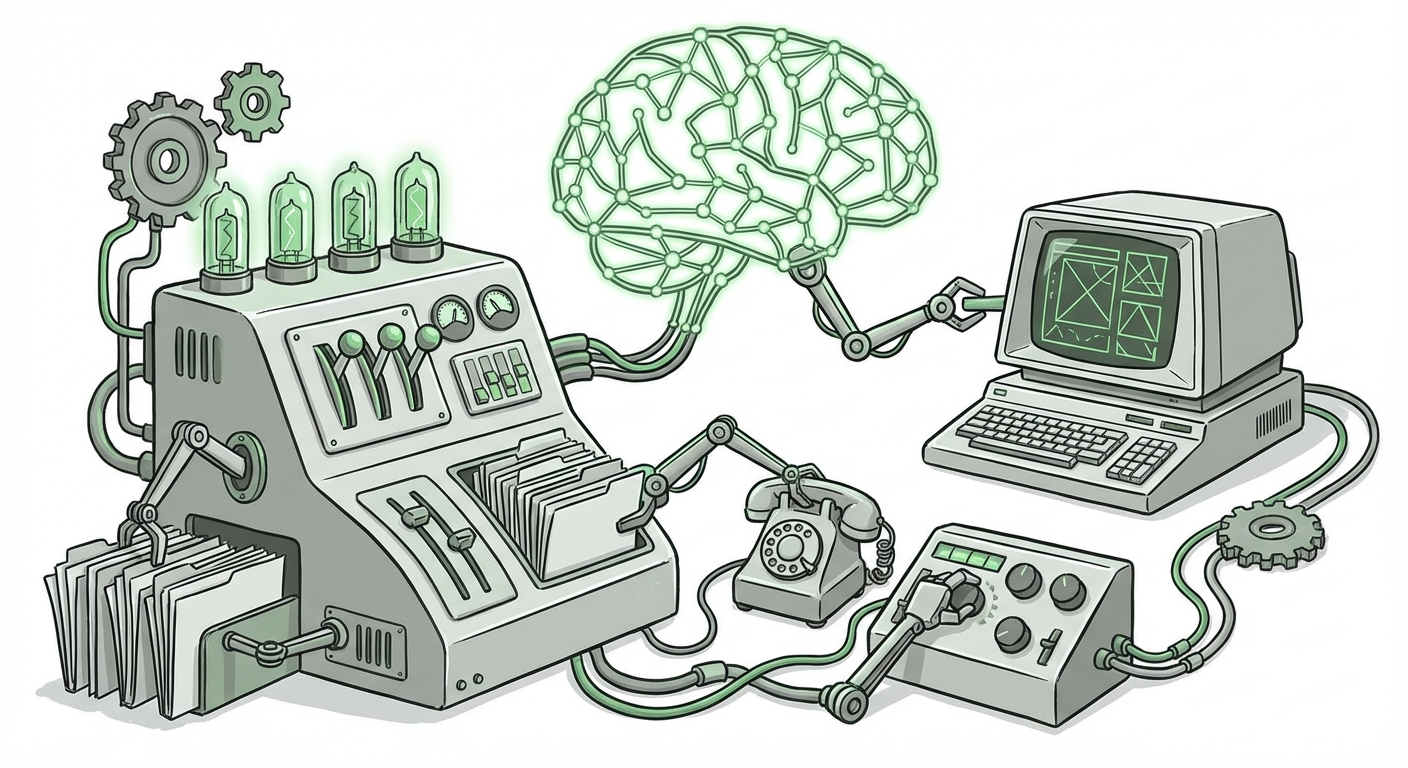
Anthropic's Claude Takes the Wheel: Desktop Control and the Future of AI Assistants
Imagine having a helper who can not only understand your instructions but also directly carry them out on your computer. That's the promise of Anthropic's latest announcement: Claude, their AI assistant, can now operate your desktop. This isn't just another app integration; it's a fundamental shift in how we interact with computers and how AI can assist us in our daily lives.
What Does This Mean for the Future of AI?
This development signals a major leap towards more autonomous and capable AI agents. Instead of being limited to specific applications or requiring complex integrations, Claude can now interact with your computer as a user would. This opens up a world of possibilities, including:
- True Automation: Tasks that previously required manual input can now be fully automated by Claude. Think of scheduling meetings, managing files, or even creating presentations – all handled seamlessly by your AI assistant.
- Contextual Awareness: By directly interacting with your desktop environment, Claude gains a deeper understanding of your workflow and can adapt its actions accordingly. This contextual awareness leads to more efficient and relevant assistance.
- Beyond App Limitations: Traditional app integrations often fall short when dealing with complex or unconventional tasks. Claude's desktop control circumvents these limitations, allowing it to handle virtually any task you would normally perform yourself.
Implications for Businesses
For businesses, the implications of this technology are enormous. Imagine the following scenarios:
- Enhanced Productivity: Employees can offload repetitive tasks to Claude, freeing up their time to focus on more strategic and creative work.
- Improved Efficiency: Automated workflows can streamline business processes, reducing errors and improving overall efficiency.
- 24/7 Availability: Claude can work around the clock, ensuring that critical tasks are always handled promptly.
- Reduced Costs: By automating tasks and improving efficiency, businesses can significantly reduce operational costs.
However, businesses must also consider the challenges of implementing this technology, including:
- Security Concerns: Granting an AI agent access to your computer raises security concerns that must be carefully addressed. Robust security measures and access controls are essential.
- Ethical Considerations: As AI agents become more autonomous, it's crucial to establish clear ethical guidelines and ensure that they are used responsibly.
- Training and Adaptation: Employees may need training to effectively utilize Claude and adapt to new automated workflows.
Societal Impact
The ability of AI to directly control our computers will have a profound impact on society as a whole. Here are some potential consequences:
- Job Displacement: As AI automates more tasks, there is a risk of job displacement in certain industries. Governments and organizations must proactively address this challenge by investing in education and retraining programs.
- Increased Accessibility: AI assistants like Claude can make technology more accessible to people with disabilities, enabling them to participate more fully in society.
- New Opportunities: The rise of AI will also create new opportunities in areas such as AI development, data science, and AI ethics.
- The Blurring of Lines: As AI becomes more integrated into our lives, the lines between human and machine will continue to blur, raising important questions about identity, autonomy, and the future of work.
Actionable Insights
So, what can you do to prepare for this AI-powered future? Here are some actionable insights:
- Stay Informed: Keep up-to-date with the latest developments in AI and automation. Understanding the capabilities and limitations of these technologies is crucial for making informed decisions.
- Experiment with AI Tools: Explore different AI tools and platforms to see how they can benefit your business or personal life. Don't be afraid to experiment and learn by doing.
- Invest in Training: Provide your employees with the training they need to effectively utilize AI tools and adapt to new automated workflows.
- Develop Ethical Guidelines: Establish clear ethical guidelines for the use of AI in your organization. Ensure that AI is used responsibly and in a way that aligns with your values.
- Prioritize Security: Implement robust security measures to protect your data and systems from unauthorized access.
Anthropic's advancement with Claude presents a monumental shift. As AI evolves beyond simple integrations, direct desktop control unlocks new potentials for automation, productivity, and accessibility. However, it also brings forth critical questions about security, ethics, and the changing nature of work. Preparing for this future requires informed awareness, strategic investment, and a commitment to responsible AI implementation.