The Rise of AI Workforces: Deeptune's $43M Bet on Simulated Training
Imagine a world where AI agents seamlessly integrate into our workplaces, helping us with tasks, making decisions, and improving efficiency. This future is becoming increasingly real, and companies are investing heavily in making it happen. One such company is Deeptune, which recently secured a significant $43 million investment from Andreessen Horowitz. But what makes Deeptune so special? They're building simulated workplaces to train AI agents, and this approach could revolutionize how we prepare AI for the real world.
Why Simulated Workplaces for AI Training?
Training AI isn't as simple as showing it a bunch of data. To truly excel in complex environments like a workplace, AI needs to interact, learn from its mistakes, and adapt to different scenarios. Real-world training can be expensive, time-consuming, and even dangerous. That's where simulated environments come in. Think of it as a video game for AI, where they can practice and perfect their skills without any real-world consequences.
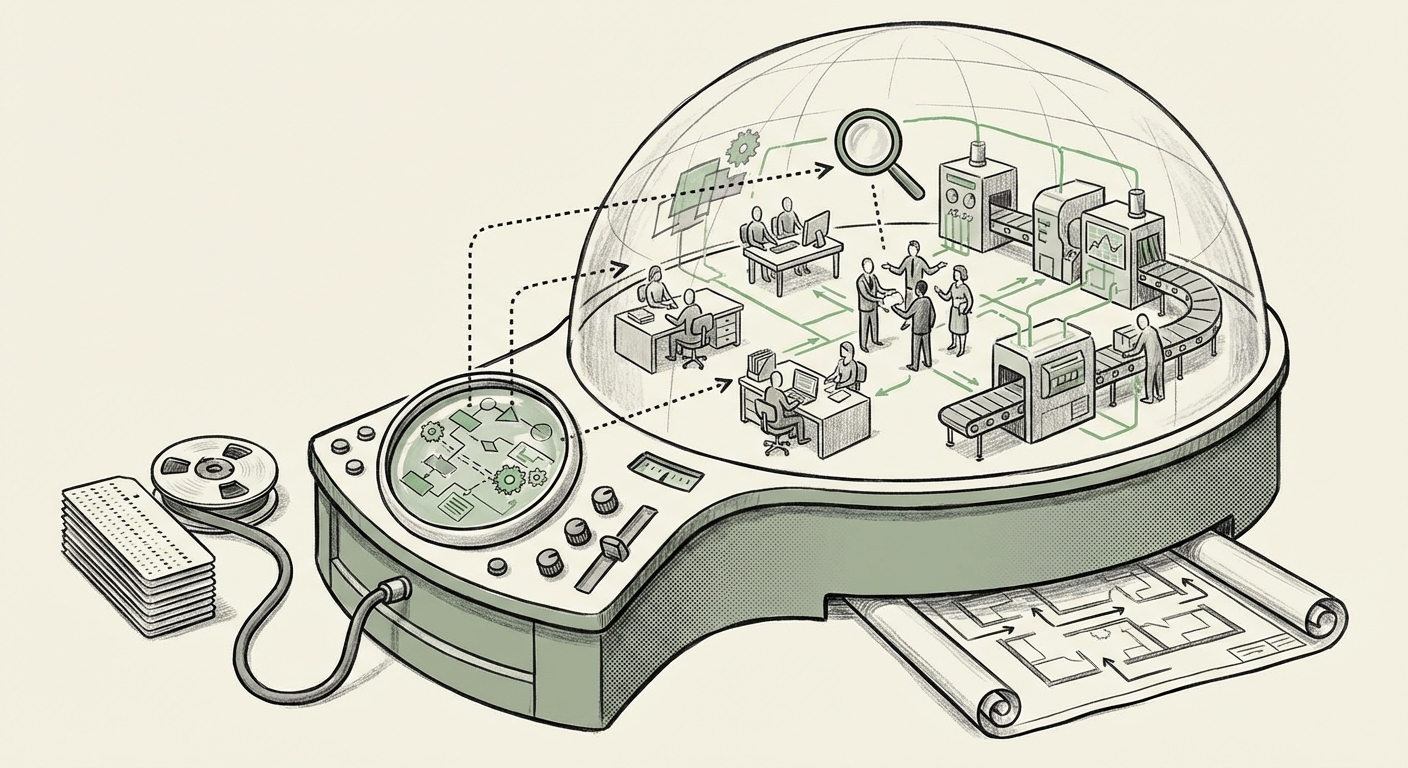
Deeptune's approach involves creating realistic, virtual workplaces where AI agents can interact with each other, human avatars, and simulated equipment. This allows them to:
- Learn through trial and error: AI can experiment with different strategies and learn from failures in a safe environment.
- Handle diverse scenarios: Simulations can be designed to include a wide range of situations, preparing AI for unexpected events.
- Accelerate learning: AI can complete many training iterations in a short amount of time, significantly speeding up the learning process.
- Reduce costs: Simulated training is much cheaper than real-world training, making AI development more accessible.
What This Means for the Future of AI
Deeptune's $43 million investment is a strong signal that the industry believes in the power of simulated training. This trend has significant implications for the future of AI:
More Capable AI Agents
By training AI in realistic simulations, we can create agents that are better equipped to handle the complexities of the real world. This means AI will be more reliable, efficient, and adaptable in various tasks.
Wider Adoption of AI in Workplaces
As AI becomes more capable and easier to train, we can expect to see it adopted in a wider range of industries and roles. From customer service to manufacturing, AI could transform how we work.
New Opportunities for AI Development
The rise of simulated training creates new opportunities for companies specializing in creating and managing these environments. This could lead to the development of more sophisticated simulation tools and techniques.
Practical Implications for Businesses and Society
The advancements in AI training through simulation have far-reaching implications for businesses and society as a whole:
For Businesses:
- Improved Efficiency: AI agents can automate tasks, optimize processes, and improve decision-making, leading to increased efficiency and productivity.
- Reduced Costs: By automating tasks and reducing errors, AI can help businesses save money.
- Enhanced Customer Service: AI-powered chatbots and virtual assistants can provide 24/7 customer support, improving customer satisfaction.
- Competitive Advantage: Businesses that adopt AI early can gain a significant competitive advantage over those that don't.
For Society:
- New Job Opportunities: While some jobs may be automated by AI, new jobs will be created in areas such as AI development, training, and maintenance.
- Improved Quality of Life: AI can help us solve some of the world's most pressing problems, such as climate change, disease, and poverty.
- Increased Accessibility: AI can make products and services more accessible to people with disabilities.
Actionable Insights: How to Prepare for the AI-Powered Future
The future of work is changing rapidly, and it's important to be prepared. Here are some actionable insights for businesses and individuals:
For Businesses:
- Invest in AI Training: Train your employees on how to work with AI and develop new AI-related skills.
- Experiment with AI Tools: Explore different AI tools and technologies to see how they can be applied to your business.
- Develop an AI Strategy: Create a clear plan for how you will adopt AI into your business.
- Partner with AI Experts: Work with companies like Deeptune to develop custom AI solutions for your specific needs.
For Individuals:
- Learn About AI: Take online courses, read articles, and attend workshops to learn about AI and its potential impact.
- Develop AI-Related Skills: Learn programming, data analysis, or other skills that are in demand in the AI industry.
- Be Open to Change: Embrace the changes that AI will bring to the workplace and be willing to adapt to new roles and responsibilities.
- Focus on Human Skills: As AI automates more routine tasks, focus on developing uniquely human skills such as creativity, critical thinking, and communication.
Conclusion: Embracing the AI Revolution
Deeptune's $43 million investment marks a significant step forward in the quest to create more capable and adaptable AI agents. By using simulated workplaces for training, we can unlock the full potential of AI and transform the way we work and live. While challenges remain, the future of AI is bright, and those who embrace it will be best positioned to succeed in the years to come.