Disney Dumps OpenAI: The Abrupt End of Sora and What It Means for the Future of AI Video
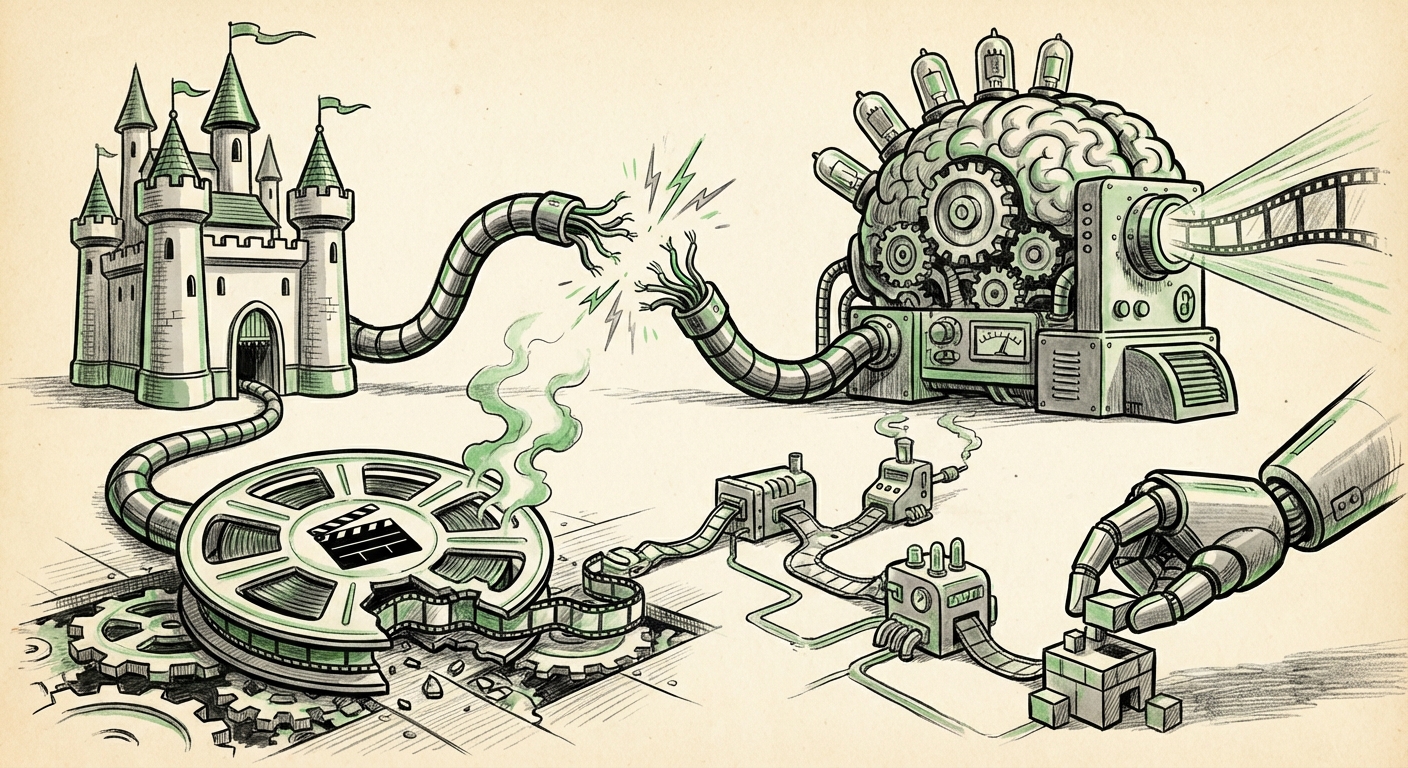
In a surprising turn of events, Disney has terminated its partnership with OpenAI, just months after the collaboration was announced in December. This decision follows OpenAI's shutdown of its Sora app and API, a move that has sent ripples throughout the AI community. What does this mean for the future of AI-driven content creation?
The Rise and Fall of Sora
Sora, OpenAI's text-to-video model, promised to revolutionize video creation. The app and API were designed to allow users to generate realistic and imaginative video content from simple text prompts. However, the project was short-lived, with OpenAI deciding to discontinue Sora's app and API. The reasons for this abrupt termination remain unclear, but the impact is significant. It suggests potential challenges in scaling and maintaining such complex AI models or perhaps a shift in OpenAI's strategic priorities.
Disney's Billion-Dollar Bet Gone Sour
Disney's decision to partner with OpenAI was a significant investment in the future of entertainment. The billion-dollar deal aimed to leverage OpenAI's AI capabilities to enhance Disney's content creation process, explore new storytelling avenues, and potentially personalize entertainment experiences. However, with Sora's demise, Disney has withdrawn from the partnership, raising questions about the viability of current AI technologies in meeting the demands of a major entertainment conglomerate.
What This Means for the Future of AI and How It Will Be Used
The Disney-OpenAI split highlights several critical aspects of the current state and future trajectory of AI:
- AI is Still Nascent: Despite significant advancements, AI, particularly in video generation, is still in its early stages. The shutdown of Sora indicates that creating reliable, scalable, and commercially viable AI video tools is more challenging than initially anticipated.
- Business Implications: For businesses, this event serves as a cautionary tale. Investing heavily in AI partnerships requires careful consideration of the technology's maturity and the vendor's long-term strategy. Due diligence is crucial to avoid costly disruptions.
- Ethical Concerns: AI-generated content raises complex ethical questions related to copyright, deepfakes, and misinformation. The industry needs to address these concerns proactively to build trust and ensure responsible use of AI technologies.
- Talent and Expertise: Effectively implementing AI requires a skilled workforce capable of understanding, managing, and adapting to rapidly evolving technologies. Companies need to invest in training and development to build internal AI expertise.
Practical Implications for Businesses and Society
For Businesses:
- Diversify AI Investments: Don't put all your eggs in one basket. Explore multiple AI solutions and vendors to mitigate risks.
- Focus on Practical Applications: Prioritize AI applications that address specific business needs and deliver tangible value, rather than chasing hype.
- Build Internal AI Capabilities: Invest in training and development to build a team that can understand, manage, and adapt to AI technologies.
- Monitor AI Developments: Stay informed about the latest advancements and trends in AI to make informed decisions.
For Society:
- Promote AI Literacy: Educate the public about AI technologies, their capabilities, and their limitations.
- Address Ethical Concerns: Engage in open discussions about the ethical implications of AI and develop guidelines for responsible use.
- Prepare for Job Displacement: Anticipate the potential impact of AI on the job market and invest in retraining and education programs to help workers adapt.
- Foster Innovation: Encourage research and development in AI while ensuring that it is aligned with societal values.
Actionable Insights
- Assess AI Maturity: Before investing in AI, carefully assess the maturity and reliability of the technology. Look for proven solutions with a track record of success.
- Develop a Clear AI Strategy: Define your AI goals and develop a clear strategy for achieving them. Align your AI investments with your overall business objectives.
- Embrace a Test-and-Learn Approach: Start with small-scale AI projects and gradually scale up as you gain experience and confidence.
- Prioritize Data Quality: AI models are only as good as the data they are trained on. Ensure that you have high-quality, relevant data to fuel your AI initiatives.
- Foster Collaboration: Encourage collaboration between AI experts and business stakeholders to ensure that AI solutions are aligned with business needs.
Conclusion: Navigating the Uncertain Future of AI
The Disney-OpenAI saga serves as a stark reminder of the challenges and uncertainties surrounding AI development. While AI holds immense potential, it is essential to approach it with a realistic perspective, acknowledging its limitations and ethical implications. By diversifying investments, focusing on practical applications, and building internal AI capabilities, businesses can navigate the evolving AI landscape and harness its power for sustainable growth. For society, promoting AI literacy, addressing ethical concerns, and preparing for job displacement are crucial steps toward ensuring a future where AI benefits all.