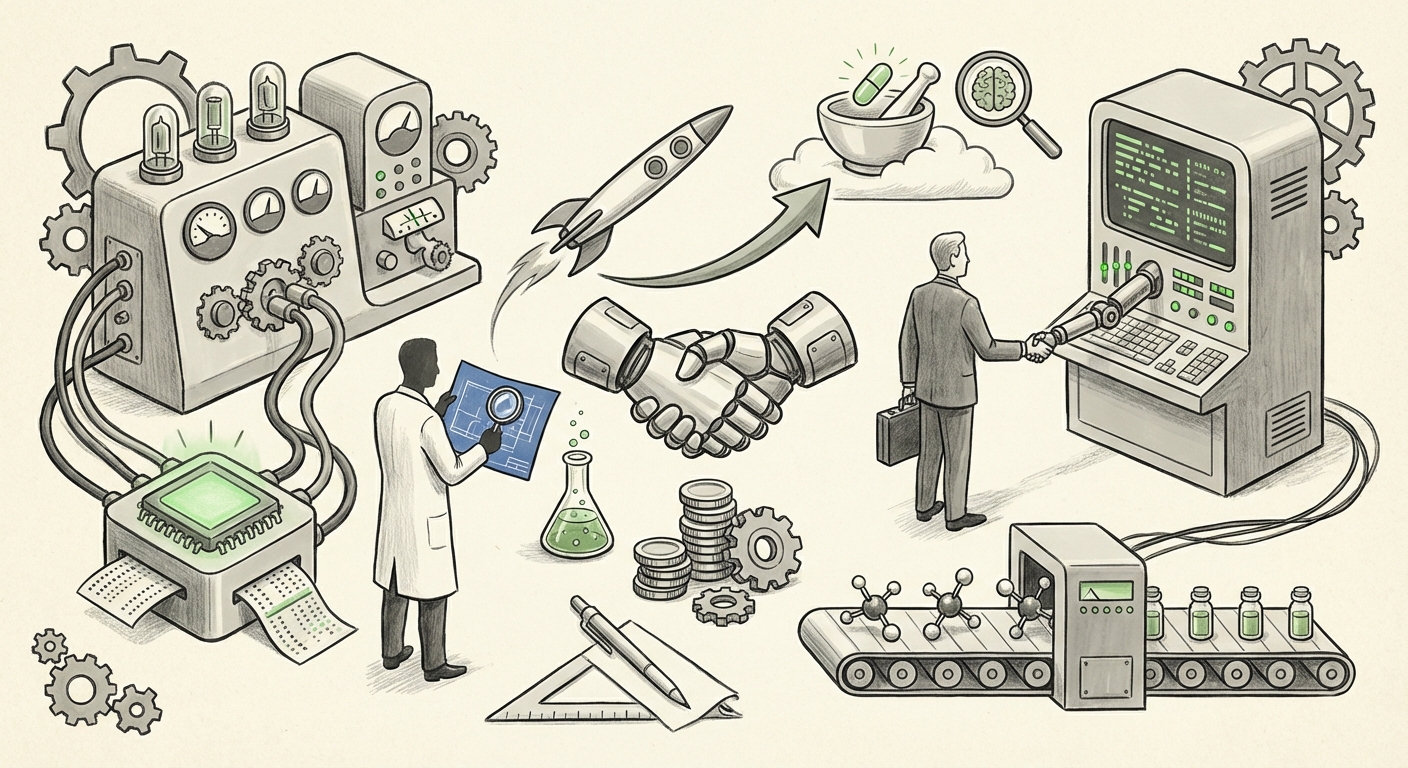
Eli Lilly's $2.75 Billion Bet: How AI is Transforming Drug Discovery
The world of medicine is changing fast, and one of the biggest reasons is artificial intelligence (AI). AI is helping us understand diseases and create new treatments in ways we never thought possible. A recent example of this exciting shift is the massive $2.75 billion deal between the US pharmaceutical giant Eli Lilly and Insilico Medicine, a company based in Hong Kong. This deal shows that major players in the drug industry believe AI is the future.
Why This Deal Matters
Deals of this size don't happen every day. Eli Lilly's huge investment in Insilico Medicine sends a clear message: AI is not just a fad in drug development; it's a serious game-changer. Here's why this partnership is so important:
- Speeding Up Drug Discovery: Traditionally, finding new medicines is a long and costly process. It can take years and billions of dollars to develop a single drug. AI can analyze huge amounts of data much faster than humans, helping scientists identify promising drug candidates more quickly.
- Reducing Costs: By speeding up the discovery process, AI can also help lower the cost of developing new drugs. This is crucial because it can make medicines more affordable and accessible to patients.
- Improving Success Rates: Drug development is risky. Many potential drugs fail during testing. AI can help predict which drugs are most likely to succeed, improving the chances of bringing new treatments to market.
- Personalized Medicine: AI can analyze a patient's unique genetic information to develop treatments tailored specifically to them. This personalized approach could lead to more effective and safer medicines.
What This Means for the Future of AI
Eli Lilly's investment is a big win for the field of AI, especially in healthcare. It validates the potential of AI to revolutionize drug discovery and development. Here's how this deal could shape the future of AI:
More Investment in AI
This deal will likely encourage other pharmaceutical companies to invest more heavily in AI. As they see the potential for AI to improve efficiency and reduce costs, they'll want to get in on the action.
Advancements in AI Technology
The increased investment will drive further advancements in AI technology. Researchers will have more resources to develop new algorithms and tools for drug discovery.
Wider Adoption of AI
As AI proves its value in drug development, it will likely be adopted in other areas of healthcare, such as diagnostics, treatment planning, and patient monitoring.
Practical Implications for Businesses and Society
The rise of AI in drug development has significant implications for businesses and society as a whole:
For Businesses
- Pharmaceutical Companies: Companies that embrace AI will have a competitive advantage. They'll be able to develop new drugs faster, more cheaply, and with a higher success rate.
- AI Companies: Companies that specialize in AI for drug discovery will see increased demand for their services. This will create new opportunities for growth and innovation.
- Investors: Investors will be looking for opportunities to invest in AI-driven drug development. This could lead to a surge in funding for AI startups in the healthcare space.
For Society
- Faster Access to New Medicines: AI can help bring new treatments to market more quickly, benefiting patients with serious illnesses.
- More Affordable Medicines: By reducing the cost of drug development, AI can help make medicines more affordable and accessible to everyone.
- Improved Healthcare Outcomes: Personalized medicine, driven by AI, can lead to more effective treatments and better health outcomes for patients.
Actionable Insights
So, what can businesses and individuals do to prepare for the AI-driven future of drug development?
For Businesses:
- Invest in AI: Pharmaceutical companies should invest in AI infrastructure and talent. This includes hiring AI experts, building AI platforms, and partnering with AI companies.
- Embrace Data: AI thrives on data. Companies should collect and organize their data in a way that makes it accessible to AI algorithms.
- Foster Collaboration: Collaboration between pharmaceutical companies and AI companies is essential. This allows companies to combine their expertise and resources to develop new drugs more effectively.
For Individuals:
- Stay Informed: Keep up-to-date on the latest developments in AI and healthcare. This will help you understand the potential benefits and challenges of this technology.
- Support Research: Support research into AI and healthcare. This can be done by donating to research organizations or advocating for government funding of AI research.
- Be Open to New Technologies: Be open to the idea of AI-driven healthcare. This technology has the potential to improve your health and well-being.
Conclusion: The AI Revolution in Medicine
The $2.75 billion deal between Eli Lilly and Insilico Medicine is a clear sign that AI is transforming the world of drug development. This partnership has the potential to speed up drug discovery, reduce costs, improve success rates, and lead to personalized medicine. As AI continues to evolve, it will play an increasingly important role in healthcare, benefiting businesses, society, and individuals alike. The future of medicine is here, and it's powered by AI.