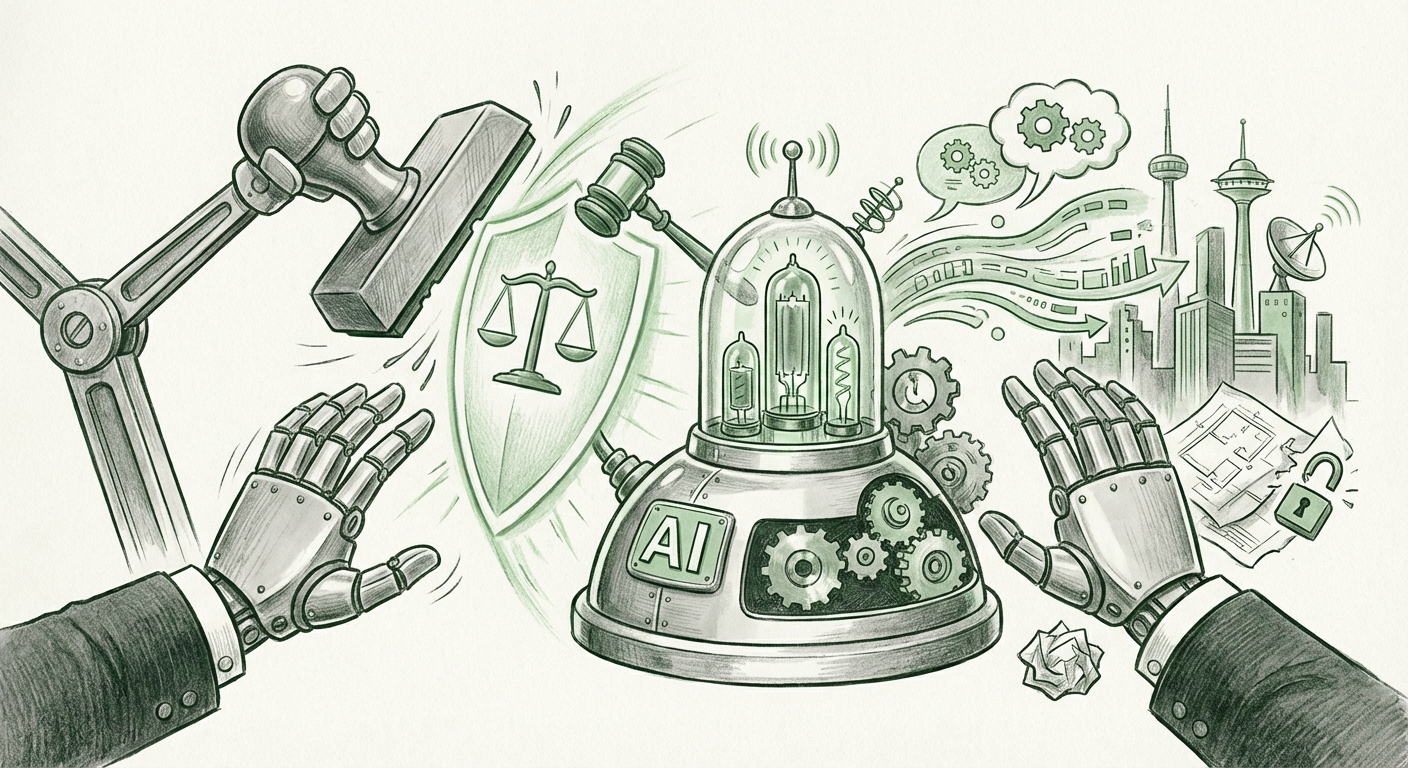
AI Wins! Judge Blocks Trump's Anthropic Ban: A Victory for Free Speech and Innovation
In a landmark decision that could reshape the future of AI development and regulation, a federal judge has blocked the Trump administration's ban on Anthropic AI models. Judge Rita F. Lin of the San Francisco court delivered a stinging rebuke to the government's actions, labeling them "classic illegal First Amendment retaliation" against the company for expressing dissenting opinions. This ruling sends a clear message: stifling innovation through politically motivated censorship will not stand.
The Case: Anthropic vs. the Trump Administration
The dispute centered around the Trump administration's branding of Anthropic, a leading AI research and development company, as a "potential adversary and saboteur." This designation effectively barred the company from operating within the U.S., severely impacting its ability to research, develop, and deploy its AI models. The administration justified its actions by claiming that Anthropic's AI posed a national security risk.
However, Judge Lin vehemently disagreed. She argued that the government's attempt to silence Anthropic for expressing disagreement was an "Orwellian notion" that threatened the very foundations of free speech and open discourse. Her ruling underscored the importance of protecting companies' rights to voice their opinions, even when those opinions clash with government policy.
What This Means for the Future of AI
This ruling has profound implications for the future of AI. Here's a breakdown of what it means:
- Protection of Free Speech: The court's decision reinforces the principle that AI companies, like all other businesses, have the right to express their views without fear of government reprisal. This is crucial for fostering open dialogue and debate about the ethical and societal implications of AI.
- Encourages Innovation: By preventing the government from arbitrarily targeting AI companies, the ruling creates a more stable and predictable environment for innovation. Companies are more likely to invest in research and development if they know their efforts won't be derailed by political considerations.
- Limits Government Overreach: The decision serves as a check on the government's power to regulate AI. It makes it clear that regulations must be based on legitimate concerns and evidence, not on political agendas.
- Global Impact: This case could influence how other countries approach the regulation of AI. It sets a precedent for protecting free speech and promoting innovation in the AI sector.
Practical Implications for Businesses and Society
The implications of this ruling extend far beyond the courtroom. Here's how it could affect businesses and society:
- For AI Companies: AI companies can breathe a sigh of relief knowing that their right to speak out on important issues is protected. This allows them to engage in public discourse without fear of retribution, contributing to a more informed debate about AI's role in society.
- For Investors: The ruling provides greater certainty for investors in the AI sector. They can be more confident that their investments won't be jeopardized by politically motivated actions.
- For Consumers: A more open and innovative AI sector ultimately benefits consumers. It leads to the development of better, more reliable, and more ethical AI products and services.
- For Society as a Whole: This decision helps ensure that AI is developed and used in a way that aligns with democratic values. It promotes transparency, accountability, and public participation in shaping the future of AI.
Actionable Insights
So, what can businesses and individuals learn from this landmark case? Here are some actionable insights:
- Speak Up: Don't be afraid to voice your opinions on important issues, even if they are controversial. Your voice matters, and it can help shape the future of AI.
- Support Free Speech: Advocate for policies that protect free speech and promote open dialogue about AI.
- Demand Transparency: Hold government accountable for its actions and demand transparency in AI regulation.
- Invest Wisely: Support AI companies that are committed to ethical and responsible development.
- Stay Informed: Keep up-to-date on the latest developments in AI and engage in informed discussions about its implications.
The Road Ahead: Challenges and Opportunities
While this ruling is a victory for free speech and innovation, it doesn't mean the challenges facing the AI sector are over. There are still many important questions to be answered about how to regulate AI in a way that promotes innovation while protecting society from potential risks. For example:
- How can we ensure that AI is used ethically and responsibly?
- How can we prevent AI from being used to discriminate or perpetuate bias?
- How can we protect privacy in an age of AI-powered surveillance?
- How can we prepare the workforce for the changes that AI will bring?
Addressing these challenges will require a collaborative effort involving governments, businesses, researchers, and the public. It will also require a commitment to open dialogue, transparency, and evidence-based decision-making.
This court decision reinforces the importance of protecting the rights of AI companies to express their opinions and contribute to the public discourse. By doing so, we can create a more vibrant, innovative, and ethical AI ecosystem that benefits all of society.