Meta's AI-Native Pods: Revolutionizing Productivity and Shaping the Future of Work
The way we work is changing, and artificial intelligence (AI) is a big reason why. Meta, the company behind Facebook and Instagram, is testing a new approach to how its teams are structured. They're calling them "AI-native pods," and the goal is simple: to boost productivity by making AI an integral part of the team.
What are AI-Native Pods?
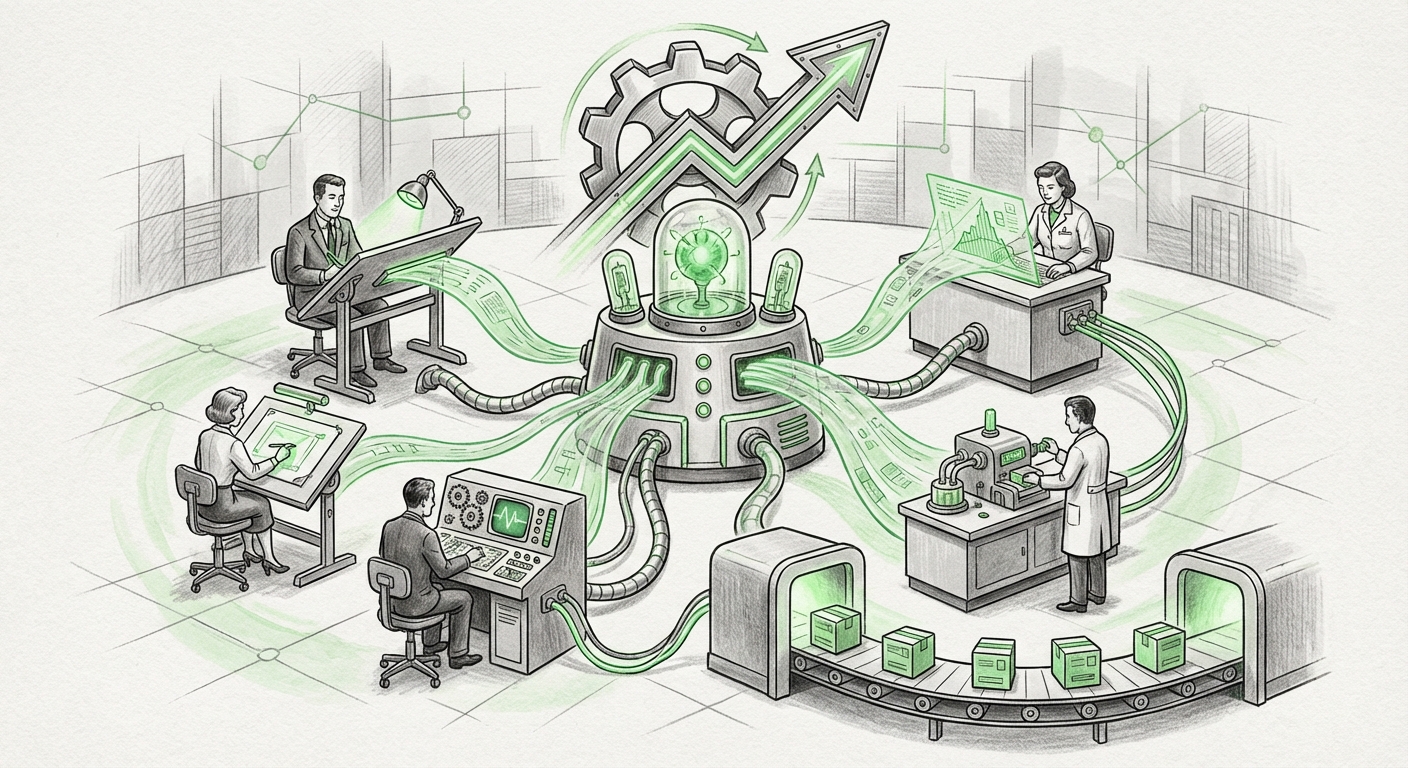
Imagine a small, focused team where AI isn't just a tool, but a core member. That's the idea behind AI-native pods. These teams are designed from the ground up to work hand-in-hand with AI, leveraging its capabilities to achieve specific goals. Meta is starting this experiment within its Reality Labs division, which focuses on virtual and augmented reality technologies.
Instead of having AI specialists separate from product developers or designers, these pods integrate AI expertise directly into the workflow. This means faster development cycles, more innovative ideas, and potentially, a significant increase in overall productivity.
Why is Meta Doing This?
Meta, like many other tech companies, is constantly looking for ways to improve efficiency and stay ahead of the curve. By embedding AI directly into these small teams, Meta hopes to unlock new levels of innovation and speed. This move signals a belief that AI isn't just a supporting technology, but a fundamental building block for future success.
Boosting Productivity
The core idea behind AI-native pods is that they will boost productivity. By integrating AI directly into the team, tasks can be completed faster, more efficiently, and with potentially higher quality. AI can automate repetitive tasks, analyze large datasets to provide insights, and even assist in creative processes.
Faster Innovation
With AI as a core team member, these pods are expected to come up with new ideas and solutions more quickly. AI can help identify patterns and trends that humans might miss, leading to breakthroughs and innovative product development.
The Future of AI in the Workplace
Meta's experiment with AI-native pods could be a glimpse into the future of work. Here's what this trend might mean for businesses and society:
- More Collaborative Teams: We might see more teams structured around AI capabilities, with humans and AI working closely together.
- New Job Roles: The rise of AI-native teams will likely create new job roles focused on managing and collaborating with AI systems.
- Increased Automation: AI will likely automate more routine tasks, freeing up human workers to focus on more creative and strategic work.
- Personalized Experiences: AI can help businesses create more personalized experiences for their customers, leading to increased satisfaction and loyalty.
Practical Implications for Businesses
If you're a business leader, here are some things to consider based on Meta's move:
- Assess Your AI Readiness: Evaluate how well your organization is prepared to integrate AI into its workflows. Do you have the necessary infrastructure and expertise?
- Experiment with AI-Driven Teams: Consider creating small pilot teams that incorporate AI tools and expertise. This will allow you to test the waters and learn what works best for your organization.
- Invest in AI Training: Provide training to your employees on how to effectively collaborate with AI systems. This will help them to embrace the technology and maximize its potential.
- Focus on Human-AI Collaboration: Emphasize the importance of humans and AI working together, rather than viewing AI as a replacement for human workers.
Societal Impact
The widespread adoption of AI-native teams could have significant societal implications:
- Skills Gap: There may be a growing need for workers with AI-related skills, potentially widening the skills gap.
- Job Displacement: As AI automates more tasks, some jobs may become obsolete, requiring workers to adapt and acquire new skills.
- Ethical Considerations: It's important to address ethical concerns related to AI, such as bias and fairness, to ensure that AI is used responsibly.
- Increased Productivity and Economic Growth: On a broader scale, AI-driven productivity gains could lead to increased economic growth and improved living standards.
Actionable Insights
Here are some actionable steps you can take to prepare for the future of work with AI:
- Learn About AI: Take online courses or attend workshops to learn about the basics of AI and its potential applications.
- Identify Opportunities for AI in Your Work: Think about how AI could be used to automate tasks, improve decision-making, or enhance creativity in your current role.
- Experiment with AI Tools: Try out different AI tools and platforms to see how they can help you work more effectively.
- Network with AI Professionals: Connect with people who are working in the field of AI to learn from their experiences and insights.
- Advocate for Responsible AI Development: Support policies and initiatives that promote the ethical and responsible development of AI.
Conclusion
Meta's move to create AI-native pods is a significant step towards integrating AI more deeply into the workplace. This experiment has the potential to revolutionize productivity, accelerate innovation, and reshape the future of work. By understanding the implications of this trend and taking proactive steps to prepare, businesses and individuals can position themselves for success in the age of AI.