AI Disinformation vs. Community Notes: Is Meta's System Up to the Challenge?
Imagine the internet as a giant playground. Now, imagine some kids are using AI to create tricky fake stories and spread them around. It's like they're using super-powered tools to trick people. That's the challenge Meta, the company behind Facebook and Instagram, is facing with AI-generated disinformation.
To combat this, Meta uses a system called Community Notes. Think of Community Notes as a group of helpful playground monitors. When someone posts something that might not be true, these monitors (regular users like you and me) can add notes to provide context and point out what's wrong. It sounds good, but Meta's own Oversight Board, a group that checks if Meta is doing the right thing, has raised some serious concerns.
The Oversight Board's Warning
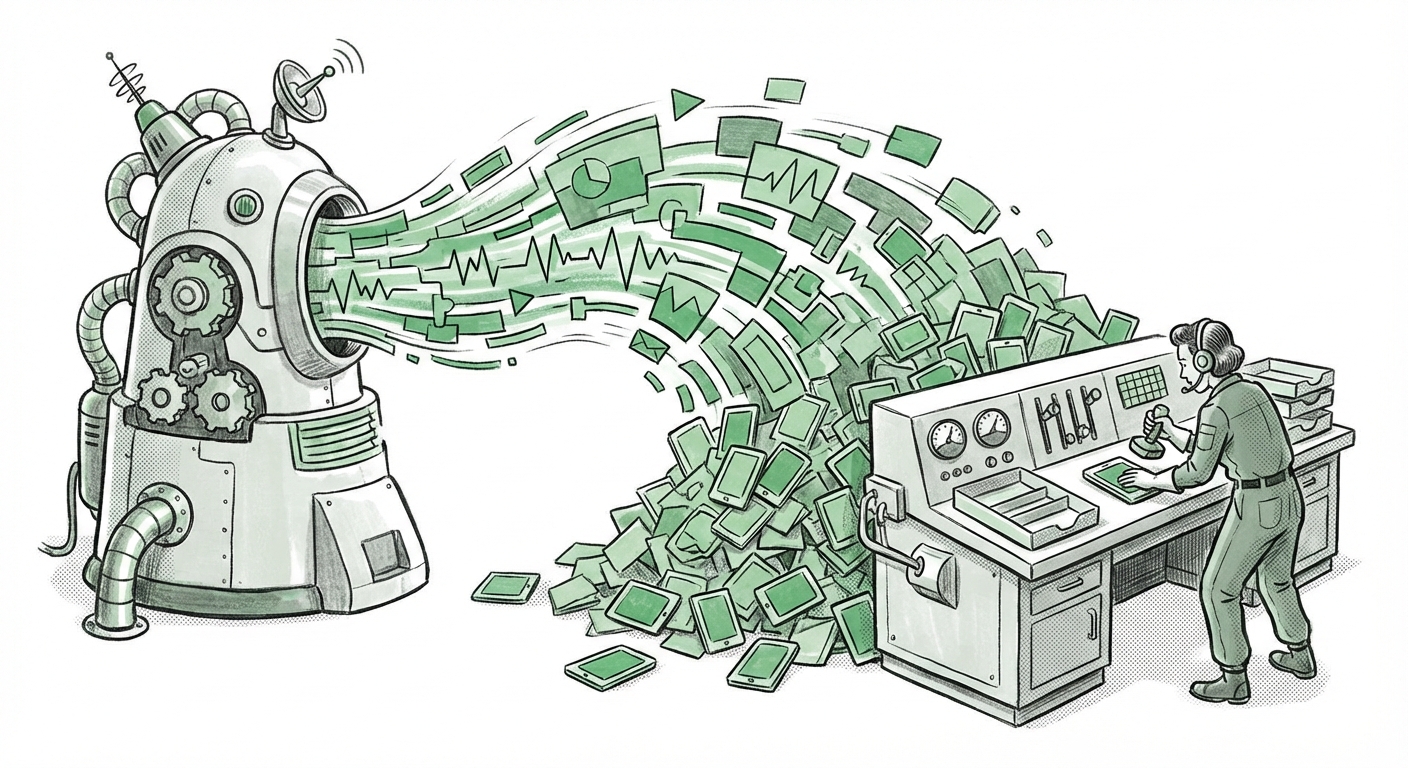
The Oversight Board looked closely at Meta's plan to roll out Community Notes to more countries. They found that the system might not be strong enough to handle the increasing amount of fake news created by AI. It's like sending a few playground monitors to deal with hundreds of trickster kids armed with AI megaphones!
Here's why the Oversight Board is worried:
- It's Too Slow: Community Notes take time to be written and rated as helpful. AI-generated disinformation can spread like wildfire in the meantime.
- Not Enough People: There aren't enough Community Notes contributors to cover all the potentially misleading content, especially as AI makes it easier to create more of it.
- Easy to Fool: The system can be tricked or manipulated, meaning bad actors can influence the notes to push their own false narratives.
The Oversight Board even suggested that Meta should not introduce Community Notes in certain countries where the risks are too high. This highlights just how serious the threat of AI disinformation is becoming.
What This Means for the Future of AI
This situation has big implications for the future of AI and how we use it. Here’s a breakdown:
1. The Arms Race Between AI and Content Moderation
We're entering an "arms race" where AI is used to create disinformation, and other AI tools (and human efforts like Community Notes) are used to detect and counter it. It's like a never-ending game of cat and mouse. The problem is, AI is evolving so quickly that current content moderation methods are struggling to keep up.
2. The Need for Better Detection Techniques
Current methods of detecting AI-generated content aren't perfect. We need more sophisticated AI tools that can quickly and accurately identify deepfakes, manipulated images, and fabricated text. This requires significant investment in AI research and development.
3. The Importance of Human Oversight
Even with advanced AI detection tools, human oversight is crucial. AI can make mistakes, and context is often necessary to determine whether something is truly disinformation. Community-based systems, if improved, can play a role, but they need to be more robust and less susceptible to manipulation.
4. The Ethical Implications of AI
The rise of AI disinformation raises profound ethical questions. Who is responsible for the content created by AI? How do we balance freedom of speech with the need to protect people from harmful information? These are complex issues that require careful consideration and open discussion.
Practical Implications for Businesses and Society
The challenges Meta faces with Community Notes and AI disinformation have practical implications for businesses and society as a whole:
- Businesses: Companies need to be aware of the potential for AI-generated disinformation to damage their reputation. They should invest in tools and strategies to monitor online content and respond quickly to false claims.
- Media Outlets: News organizations need to be extra vigilant about verifying information before publishing it. They should also educate the public about how to spot AI-generated disinformation.
- Governments: Policymakers need to develop regulations that address the misuse of AI while protecting freedom of speech. This is a delicate balancing act that requires careful thought and collaboration.
- Individuals: We all need to become more critical consumers of information. We should question everything we see online and be wary of content that seems too good (or too bad) to be true.
Actionable Insights
So, what can we do to address the threat of AI disinformation?
- Invest in AI Detection Technology: Fund research and development of AI tools that can accurately identify AI-generated content.
- Improve Content Moderation Systems: Make Community Notes and similar systems more robust, faster, and less vulnerable to manipulation. This could involve using AI to assist human moderators.
- Promote Media Literacy: Educate the public about how to spot AI disinformation and encourage critical thinking.
- Develop Ethical Guidelines for AI: Create clear ethical guidelines for the development and use of AI, including provisions for accountability and transparency.
- Foster Collaboration: Encourage collaboration between tech companies, governments, researchers, and civil society organizations to address the challenge of AI disinformation.
The fight against AI disinformation is a marathon, not a sprint. It requires a sustained effort and a commitment to innovation, collaboration, and ethical principles. If we don't take action, we risk losing trust in the information ecosystem and undermining democracy itself.