OpenAI Codex Plugin Explosion: Supercharging Slack, Notion, and Figma in 2026
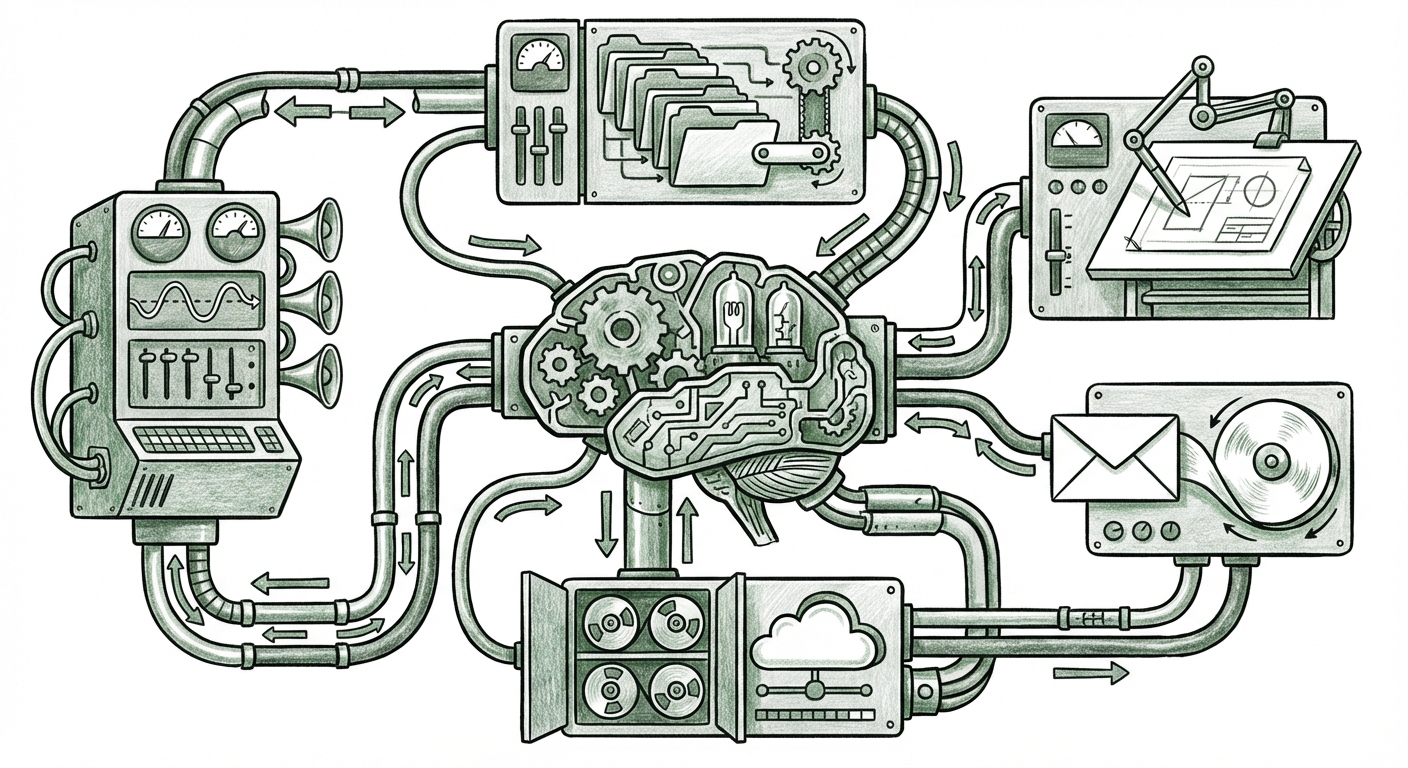
The year is 2026, and the way we work is changing fast! OpenAI's Codex, a powerful AI model, just got a major upgrade: a plugin marketplace. This isn't just a small update; it's a game-changer that's about to make our favorite work tools even smarter. Imagine Slack, Figma, Notion, Gmail, and Google Drive all working together seamlessly, powered by AI. That's the promise of the Codex plugin marketplace.
What's the Big Deal with Codex and Plugins?
Think of Codex as a super-smart assistant that understands code and natural language. It can help you write code, automate tasks, and even create new applications. Now, with the new plugin marketplace, Codex can connect to other popular tools, making it even more useful.
Plugins are like little add-ons that give Codex superpowers. They allow Codex to talk to other programs and services, bringing AI directly into your everyday workflow. Instead of switching between different apps, you can now use Codex to control them all from one place.
How This Changes the Future of AI
This move by OpenAI signals a big shift in how AI will be used in the future. Here's why:
- AI is becoming more integrated: The Codex plugin marketplace shows that AI is moving beyond being a standalone tool. It's now becoming deeply embedded into the software we use every day.
- AI is becoming more accessible: By connecting to popular tools like Slack and Notion, Codex is making AI more accessible to everyone, not just developers.
- AI is becoming more specialized: The plugin architecture allows developers to create specialized AI tools for specific tasks and industries.
Practical Implications for Businesses
For businesses, the Codex plugin marketplace offers some exciting opportunities:
Increased Productivity
Imagine automating routine tasks in Slack, like scheduling meetings or summarizing conversations. Or, think about using Codex to generate design ideas in Figma or create content outlines in Notion. By automating these tasks, employees can focus on more important work, leading to increased productivity.
Improved Collaboration
Codex can help teams collaborate more effectively by providing real-time feedback, suggesting improvements, and even translating languages. This can be especially useful for remote teams or companies with employees in different locations.
Faster Innovation
With Codex plugins, businesses can experiment with new ideas and develop new products faster than ever before. Codex can help with everything from market research to prototyping to testing.
Societal Impact
The rise of AI-powered plugins will also have a significant impact on society:
- The Future of Work: As AI automates more tasks, the nature of work will change. People will need to develop new skills, such as critical thinking, problem-solving, and creativity, to stay relevant in the workforce.
- The Digital Divide: It's important to ensure that everyone has access to AI tools and the skills needed to use them. Otherwise, the digital divide could widen, creating new inequalities.
- Ethical Considerations: As AI becomes more powerful, it's crucial to address ethical concerns, such as bias, privacy, and security. We need to develop guidelines and regulations to ensure that AI is used responsibly.
Actionable Insights for Today
Even though it's 2026, there are things you can do *today* to prepare for the AI-powered future:
- Start experimenting with AI tools: Don't wait until AI is fully integrated into your workflow. Start exploring AI tools now to see how they can help you in your work.
- Invest in training and education: Make sure your employees have the skills they need to use AI tools effectively. This could include training on AI concepts, programming, or data analysis.
- Develop an AI strategy: Think about how AI can help your business achieve its goals. Develop a strategy that outlines your AI initiatives, investments, and ethical guidelines.
- Stay informed: Keep up-to-date on the latest AI developments. Read blogs, attend conferences, and follow industry experts on social media.
The Road Ahead
The Codex plugin marketplace is just the beginning. As AI technology continues to evolve, we can expect to see even more innovative applications emerge. The key is to embrace these changes and adapt to the new AI-powered world.