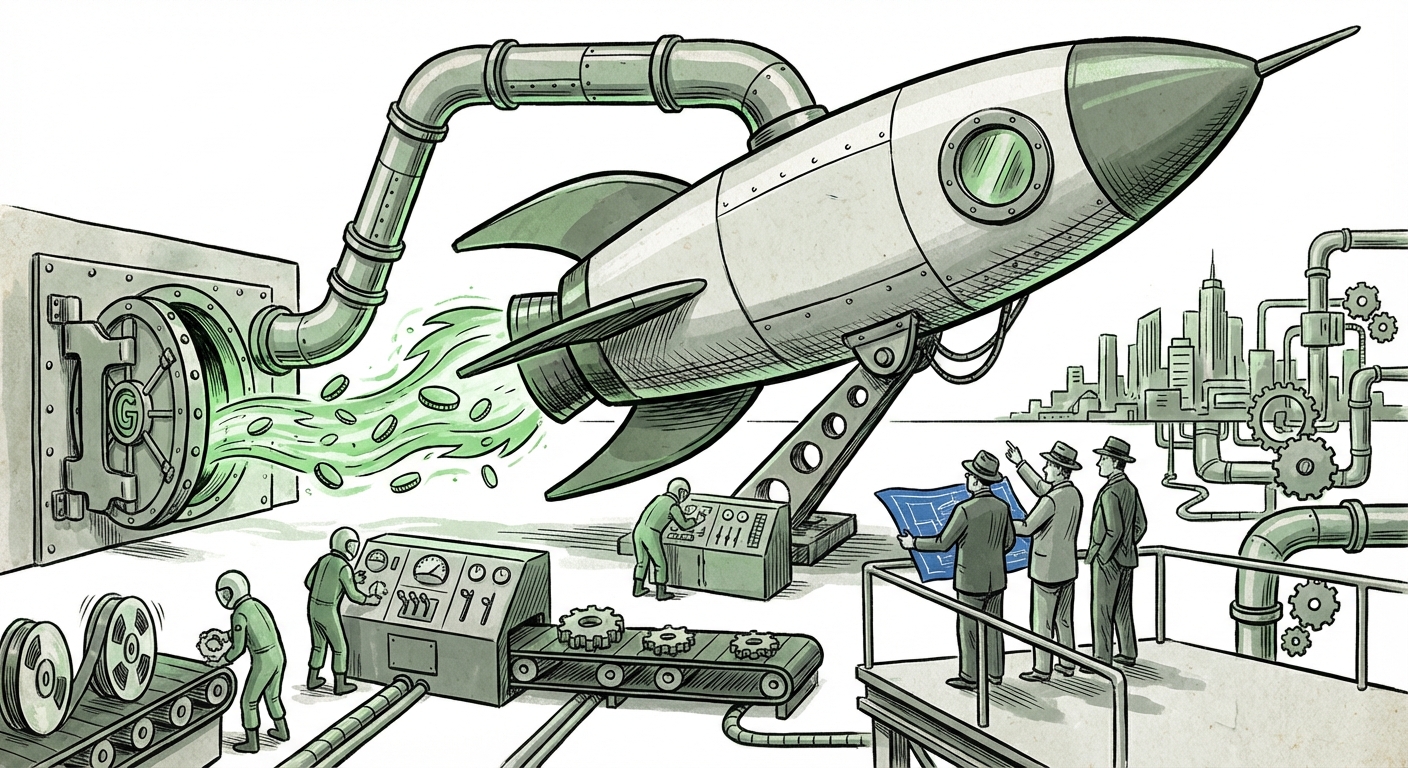
OpenAI Rockets to $120 Billion: What This Means for the Future of AI and How It Will Be Used
Get ready for a wild ride! OpenAI, the company behind groundbreaking AI like ChatGPT, has just expanded its already massive funding round to over $120 billion. This huge investment signals a major push towards further AI development and possibly, a public offering (IPO) later this year. But what does this mean for the future of AI, businesses, and everyday life? Let's break it down.
The Funding Frenzy: Why $120 Billion Matters
Think of OpenAI as a race car team. To win, they need the best engineers, the fastest engine, and a whole lot of fuel. This $120 billion is their fuel. It allows them to:
- Hire the brightest minds: AI research is a people-powered game. This funding lets OpenAI attract and retain top AI researchers, engineers, and ethicists.
- Develop more powerful AI models: Building better AI requires immense computing power and data. This investment helps OpenAI train larger, more sophisticated models that can do even more amazing things.
- Expand into new areas: From healthcare to education, AI has the potential to revolutionize many industries. This funding allows OpenAI to explore these opportunities and create AI solutions for specific needs.
- Prepare for an IPO: Going public means offering shares of the company to everyone. Raising this much funding beforehand strengthens OpenAI's position and makes it more attractive to investors.
The IPO Buzz: Is OpenAI Going Public?
The possibility of an OpenAI IPO (Initial Public Offering) is generating a lot of excitement. An IPO would allow everyday investors to buy stock in the company, potentially profiting from its future growth. It would also give OpenAI access to even more capital to fuel its ambitions. While not confirmed, the increased funding round strongly suggests that OpenAI is laying the groundwork for a potential IPO later in 2026.
The Future of AI: What to Expect
With this massive influx of capital, OpenAI is poised to accelerate the development and deployment of AI. Here's what we can expect to see in the coming years:
- More advanced AI models: Expect AI to become even more intelligent, capable of performing complex tasks like scientific research, drug discovery, and personalized education.
- AI-powered tools for everyone: AI will become more accessible to individuals and small businesses through user-friendly tools and platforms. Imagine having an AI assistant that can write emails, create presentations, and manage your schedule.
- AI in everyday life: AI will become increasingly integrated into our daily routines, from smart homes and self-driving cars to personalized healthcare and entertainment.
- New ethical challenges: As AI becomes more powerful, it's important to address potential risks and ensure that AI is used responsibly and ethically. This includes issues like bias, privacy, and job displacement.
Practical Implications for Businesses
For businesses, the rise of AI presents both opportunities and challenges. Here's how businesses can prepare:
- Embrace AI to improve efficiency: AI can automate tasks, streamline processes, and improve decision-making, leading to significant cost savings and increased productivity.
- Develop AI-powered products and services: Businesses can leverage AI to create new and innovative products and services that meet the evolving needs of their customers.
- Invest in AI training and education: It's important to equip employees with the skills and knowledge they need to work effectively with AI.
- Address ethical concerns: Businesses should develop ethical guidelines for the use of AI and ensure that their AI systems are fair, transparent, and accountable.
Societal Impact: The Good, the Bad, and the Unknown
The widespread adoption of AI will have a profound impact on society, both positive and negative. Some potential benefits include:
- Improved healthcare: AI can help doctors diagnose diseases earlier, develop personalized treatments, and improve patient outcomes.
- Enhanced education: AI can personalize learning experiences, provide students with individualized feedback, and make education more accessible.
- Increased productivity: AI can automate tasks, freeing up humans to focus on more creative and strategic work.
- Solutions to global challenges: AI can help us address some of the world's most pressing challenges, such as climate change, poverty, and disease.
However, there are also potential risks to consider:
- Job displacement: AI could automate many jobs, leading to widespread unemployment.
- Bias and discrimination: AI systems can perpetuate and amplify existing biases, leading to unfair or discriminatory outcomes.
- Privacy concerns: AI systems can collect and analyze vast amounts of data, raising concerns about privacy and surveillance.
- Ethical dilemmas: AI raises complex ethical dilemmas, such as the question of whether self-driving cars should be programmed to prioritize the safety of their passengers or pedestrians.
Actionable Insights: Preparing for the AI Revolution
Here are some actionable insights for individuals, businesses, and policymakers:
- Individuals: Learn about AI and its potential impact on your career. Develop skills that are complementary to AI, such as critical thinking, creativity, and communication.
- Businesses: Develop an AI strategy that aligns with your business goals. Invest in AI training and education for your employees. Address ethical concerns proactively.
- Policymakers: Develop regulations that promote the responsible and ethical use of AI. Invest in research and development to ensure that AI benefits all of society.
Conclusion: The AI Era Is Here
OpenAI's massive funding round is a clear indication that the AI era is here to stay. As AI continues to evolve and become more integrated into our lives, it's important to understand its potential impact and prepare for the changes ahead. By embracing AI responsibly and ethically, we can harness its power to create a better future for all.