OpenAI vs. Anthropic: Who Will Win the AI IPO Race?
The race to dominate the Artificial Intelligence landscape is heating up, and two names are consistently at the forefront: OpenAI and Anthropic. As these companies push the boundaries of what AI can achieve, the financial world is watching closely, particularly with the prospect of Initial Public Offerings (IPOs) on the horizon. However, comparing these two AI giants isn't as simple as looking at revenue figures. Differences in how they account for cloud partnerships create a complex picture for investors and industry observers alike.
Understanding the Financial Landscape
Before diving into the specifics, it's important to understand why everyone is so interested in the financial health of OpenAI and Anthropic. These companies are not just building cool tech; they're shaping the future of how we interact with computers, automate tasks, and even make decisions. Their success (or failure) will have ripple effects across industries, impacting everything from healthcare and education to finance and entertainment.
The potential IPOs of OpenAI and Anthropic represent a significant milestone for the AI industry. They signal a maturation of the market, attracting massive investment and further fueling innovation. But before either company goes public, investors need a clear and accurate understanding of their financial standing.
The Cloud Partnership Conundrum
One of the biggest challenges in comparing OpenAI and Anthropic lies in how they handle their cloud partnerships. Both companies rely heavily on cloud computing resources to train and run their AI models. These resources are incredibly expensive, and the way these costs (and potential revenue sharing agreements) are accounted for can significantly impact a company's bottom line.
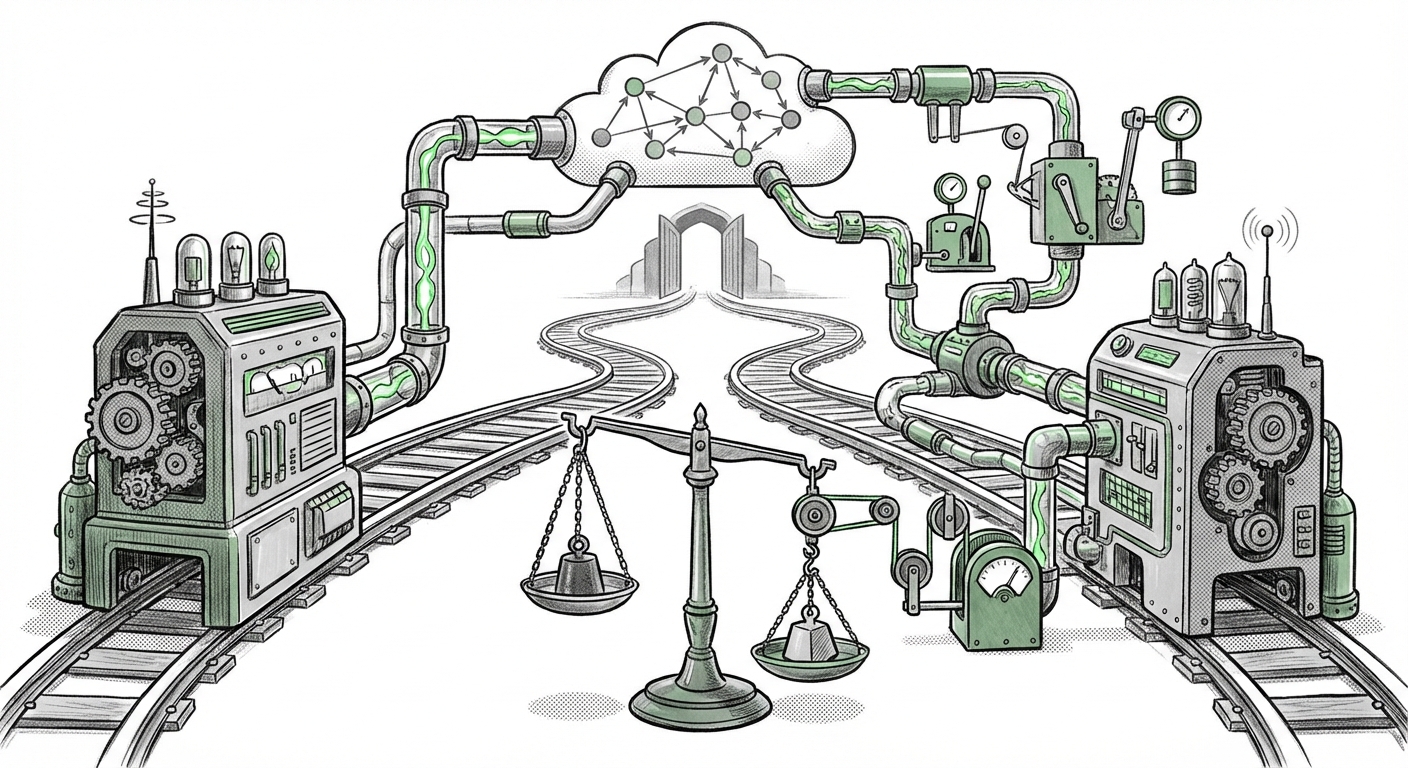
According to a March 26, 2026 article on the-decoder.com, directly comparing the revenue figures of OpenAI and Anthropic is difficult because they account for cloud partnerships differently. This suggests that one company might be recognizing revenue or expenses related to these partnerships in a way that the other isn't, making a simple side-by-side comparison misleading.
For example, one company might have a revenue-sharing agreement with its cloud provider, where a portion of the revenue generated by AI applications is shared with the cloud provider. How this revenue is recognized (gross vs. net) can significantly impact the reported revenue figure. Similarly, the treatment of cloud computing costs (as capital expenditure vs. operational expenditure) can also skew the financial picture.
What This Means for the Future of AI and How It Will Be Used
The accounting differences between OpenAI and Anthropic have significant implications for the future of AI:
- Investment Strategies: Investors need to perform thorough due diligence to understand the underlying accounting practices of AI companies before making investment decisions. Relying solely on top-line revenue figures can be misleading. They'll need to dig into the details of cloud partnership agreements and how they're being accounted for.
- Valuation Models: Standard valuation models might not be directly applicable to AI companies with complex cloud partnerships. New models that account for these unique arrangements may be required to accurately assess the value of these companies.
- Transparency and Standardization: The industry needs greater transparency and standardization in how AI companies report their financials, particularly regarding cloud partnerships. This will enable more accurate comparisons and informed investment decisions.
- Partnership Structures: As AI development becomes increasingly reliant on cloud infrastructure, we may see more innovative partnership structures emerge between AI companies and cloud providers. These partnerships could involve revenue sharing, joint development agreements, or even equity stakes.
- AI Adoption: Understanding the true costs associated with AI development and deployment is crucial for businesses considering adopting AI solutions. Hidden costs related to cloud infrastructure can significantly impact the ROI of AI projects.
Practical Implications for Businesses and Society
The financial intricacies of AI companies like OpenAI and Anthropic extend beyond just investment decisions. They have practical implications for businesses and society as a whole:
- Business Strategy: Companies need to carefully consider the cloud infrastructure requirements and associated costs when developing their AI strategies. Choosing the right cloud partner and negotiating favorable terms is crucial for long-term success.
- Innovation and Competition: A clear understanding of the financial landscape will foster healthy competition and drive innovation in the AI industry. Transparent accounting practices will allow smaller players to compete on a level playing field.
- Ethical Considerations: As AI becomes more integrated into our lives, it's important to consider the ethical implications of its development and deployment. Financial transparency can help ensure that AI is being developed and used responsibly.
- Policy and Regulation: Policymakers need to be aware of the unique financial challenges faced by AI companies when developing regulations and policies related to AI. A nuanced understanding of the industry will help ensure that regulations are effective and don't stifle innovation.
Actionable Insights
Here are some actionable insights for different stakeholders:
- Investors: Don't just look at the headline numbers. Dig deep into the financial statements and understand the accounting practices related to cloud partnerships. Seek expert advice from financial analysts who specialize in the AI industry.
- AI Companies: Be transparent about your cloud partnership arrangements and how they impact your financials. Consider adopting standardized reporting practices to facilitate comparisons with your peers.
- Businesses: Carefully evaluate the cloud infrastructure requirements and associated costs before embarking on AI projects. Explore different cloud options and negotiate favorable terms with cloud providers.
- Policymakers: Engage with industry experts and stakeholders to develop informed policies and regulations that support the responsible development and deployment of AI.
Conclusion
The future of AI is bright, but navigating the financial landscape requires a keen understanding of the complexities involved. The differing accounting practices of companies like OpenAI and Anthropic highlight the need for greater transparency and standardization in the industry. As AI continues to evolve, it's crucial for investors, businesses, and policymakers to stay informed and make data-driven decisions.