EU Shuts the Door on AI-Generated Content: What It Means for the Future of AI
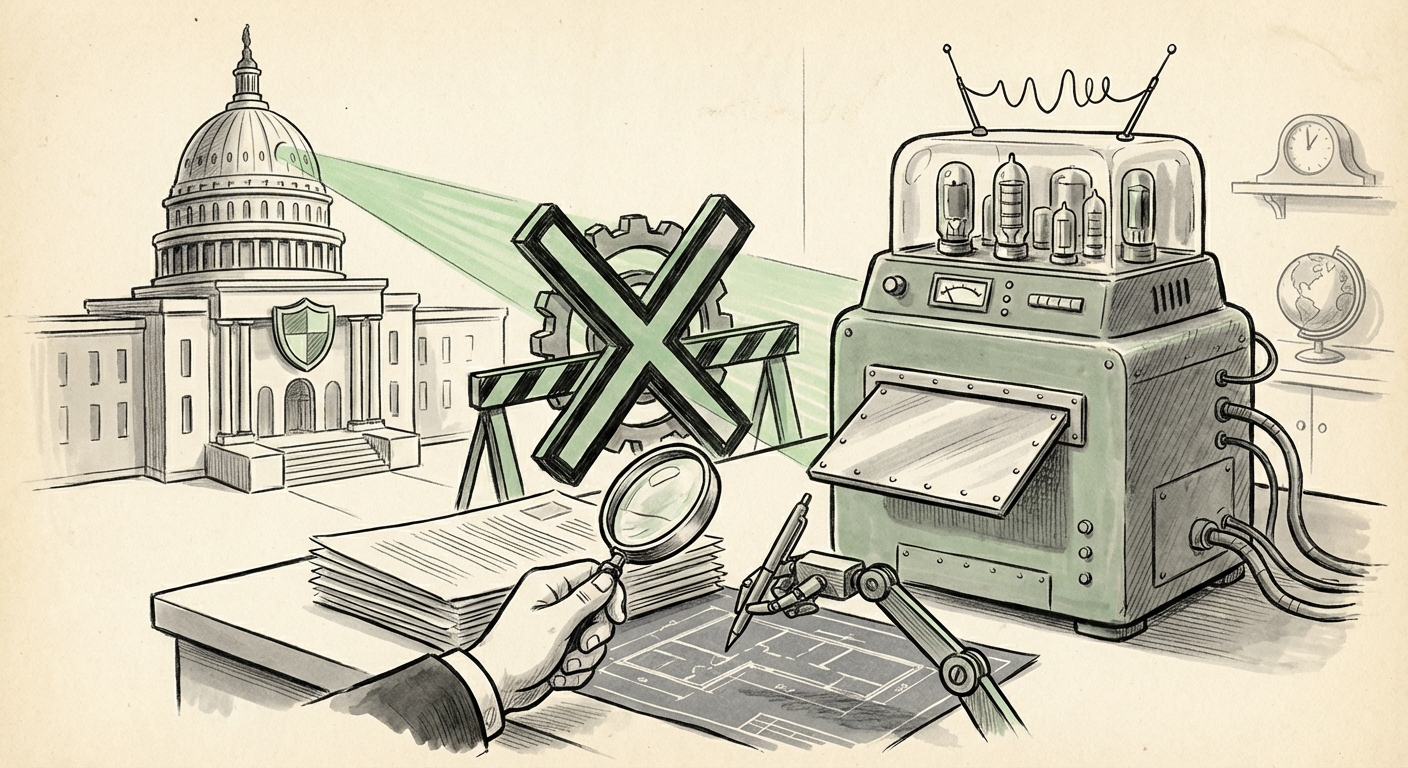
In a surprising move, the European Union has decided to ban the use of AI-generated content in its official communications, according to Politico. This decision, announced on April 1, 2026, marks a significant turning point in how governments perceive and utilize artificial intelligence. Let's dive into what this means for the future of AI and how it will be used.
Why the Ban? Understanding the EU's Concerns
The EU's decision likely stems from a combination of factors. Concerns about accuracy, transparency, and potential misuse of AI-generated content are probably at the forefront. Imagine official statements containing errors or biases because of flawed AI algorithms. The EU wants to avoid such scenarios and maintain public trust in its communications.
- Accuracy and Reliability: AI models can sometimes produce inaccurate or misleading information. Official communications need to be factually correct.
- Transparency and Accountability: It can be difficult to trace the origin and reasoning behind AI-generated content. The EU values transparency in its operations.
- Bias and Fairness: AI algorithms can be biased, leading to unfair or discriminatory content. This is a major concern for government communications that should treat all citizens equally.
- Security Risks: AI systems can be vulnerable to manipulation and cyberattacks, potentially compromising the integrity of official communications.
The Future of AI: A Shift in Focus
This ban doesn't mean the end of AI. Instead, it signals a shift in how AI will be developed and used. The focus will likely move towards:
1. AI as a Tool, Not a Replacement
The EU's move suggests that AI should be viewed as a tool to assist humans, rather than a replacement for human creativity and judgment. Think of AI helping with research, data analysis, or drafting initial versions of documents. The final content, however, would still be reviewed and approved by humans.
2. Emphasis on Explainable AI (XAI)
Explainable AI refers to AI systems that can explain their reasoning and decision-making processes. This is crucial for building trust and ensuring accountability. Future AI development will likely prioritize XAI to address concerns about transparency.
3. Robustness and Security
More effort will be put into making AI systems more resilient to errors, biases, and security threats. This includes rigorous testing, validation, and monitoring of AI models.
4. Ethical AI Development
The EU's decision underscores the importance of ethical AI development. This involves considering the social, economic, and ethical implications of AI and ensuring that AI systems are aligned with human values.
Practical Implications for Businesses
The EU's ban has significant implications for businesses, especially those involved in AI development and deployment:
- Increased Regulation: Expect stricter regulations on AI-generated content, particularly in sensitive areas like finance, healthcare, and government.
- Investment in Human Oversight: Businesses will need to invest in human oversight and quality control to ensure the accuracy and reliability of AI-generated content.
- Focus on Niche Applications: Instead of trying to replace human workers entirely, businesses may find more success focusing on niche applications where AI can augment human capabilities.
- Demand for AI Auditing and Compliance: There will be a growing demand for AI auditing and compliance services to ensure that AI systems meet regulatory requirements and ethical standards.
Impact on Society
The EU's decision will likely have a ripple effect on society as a whole:
- Greater Scrutiny of AI: The public will become more aware of the limitations and potential risks of AI, leading to greater scrutiny of AI applications.
- Increased Demand for AI Literacy: People will need to develop a better understanding of how AI works and how to critically evaluate AI-generated content.
- Focus on Human Skills: There will be a renewed emphasis on uniquely human skills like critical thinking, creativity, and emotional intelligence, which are difficult for AI to replicate.
- Potential for Slower AI Adoption: The ban may slow down the adoption of AI in some areas, but it could also lead to more responsible and sustainable AI development in the long run.
Actionable Insights
Here are some actionable insights for businesses and individuals:
- For Businesses:
- Invest in AI ethics training for employees.
- Implement robust quality control processes for AI-generated content.
- Focus on AI applications that augment human capabilities, rather than replace them entirely.
- Stay informed about AI regulations and compliance requirements.
- For Individuals:
- Develop critical thinking skills to evaluate AI-generated content.
- Learn about the basics of AI and how it works.
- Advocate for responsible AI development and deployment.
- Embrace lifelong learning to stay relevant in a rapidly changing job market.
Conclusion: A Call for Responsible AI
The EU's decision to ban AI-generated content from official communications is a wake-up call. It highlights the importance of responsible AI development and deployment. While AI has the potential to transform many aspects of our lives, it's crucial to address the ethical, social, and security challenges it poses. By focusing on transparency, accountability, and human oversight, we can harness the power of AI for good while mitigating its risks. The future of AI depends on our ability to develop and use it in a way that aligns with human values and promotes the common good.