Unlock the Power of AI: Design and Test Agents Before You Build!
Imagine having a super-smart helper that can answer your questions, solve your problems, and make your life easier. That's the promise of AI agents. But building these agents is hard. You need to make sure they work well, understand what people want, and don't make mistakes. Luckily, there's a new way to design and test AI agents *before* you spend lots of time and money building them. It's called "agent rehearsal," and it's changing the future of AI.
What is Agent Rehearsal?
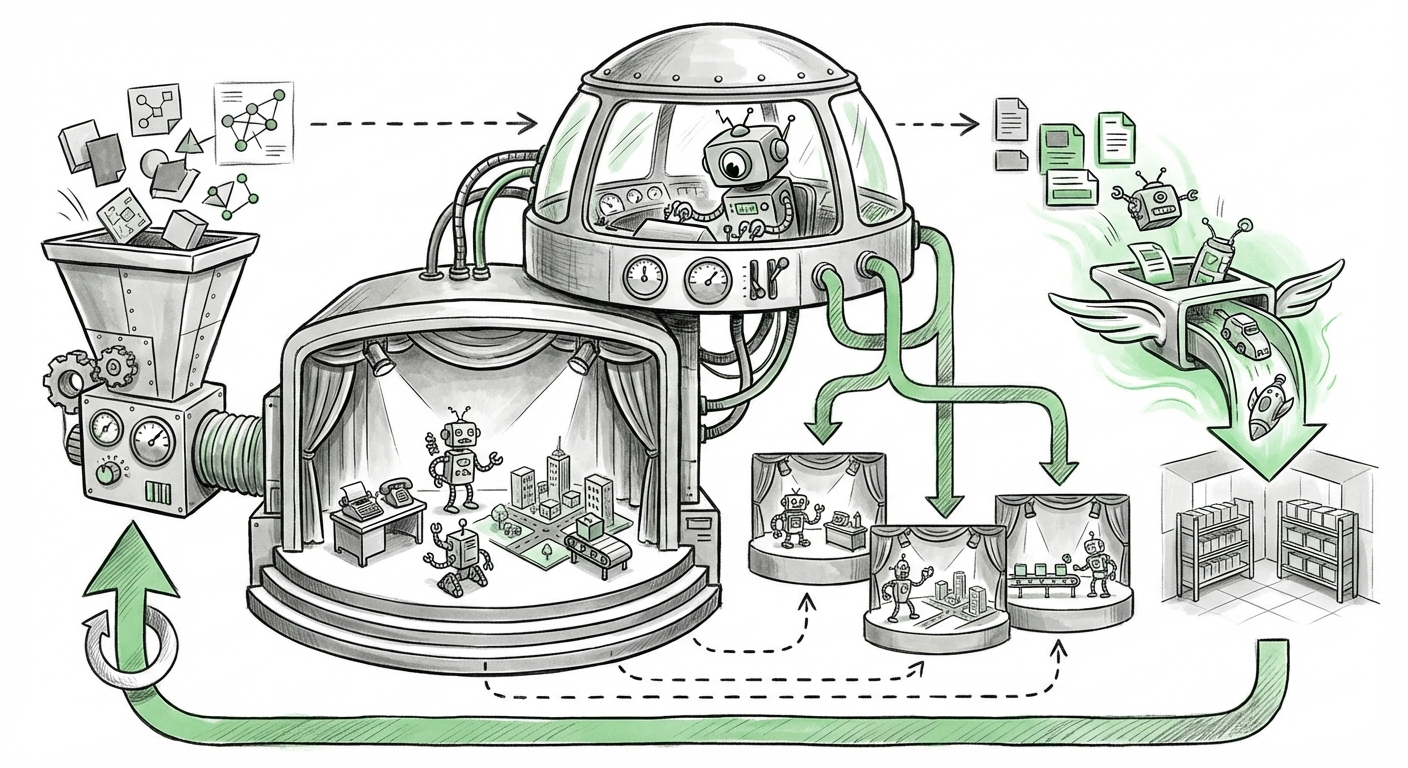
Agent rehearsal is like practicing for a play, but instead of actors, you have AI agents. It's a way to simulate how an AI agent will perform in the real world, allowing you to identify and fix problems early on. This means you can create better, more reliable AI agents that are actually useful.
Think of it this way: before a company launches a new product, they do market research and testing. Agent rehearsal is the same idea, but for AI. You put the agent through different scenarios, give it tasks to complete, and see how it responds. This helps you understand its strengths and weaknesses, so you can improve it before it goes "live."
Why is Agent Rehearsal Important?
Agent rehearsal is a game-changer for several reasons:
- Saves Time and Money: Finding and fixing problems early is much cheaper than fixing them after you've already built the agent. Rehearsal helps you avoid costly mistakes.
- Improves Performance: By testing the agent in different situations, you can identify areas where it needs improvement. This leads to better performance and more accurate results.
- Reduces Risk: AI agents can sometimes make mistakes, which can have serious consequences. Rehearsal helps you identify and mitigate these risks before the agent is deployed.
- Increases User Satisfaction: A well-tested agent is more likely to meet user expectations, leading to higher satisfaction and adoption rates.
How Does Agent Rehearsal Work?
The process of agent rehearsal typically involves several key steps:
- Define Scenarios: Create realistic scenarios that the agent will encounter in the real world. These scenarios should cover a wide range of situations and challenges.
- Simulate Interactions: Simulate interactions between the agent and users or other systems. This could involve text-based conversations, voice commands, or even interactions with physical devices.
- Monitor Performance: Carefully monitor the agent's performance during the simulations. Track metrics such as accuracy, speed, and user satisfaction.
- Identify Issues: Analyze the results of the simulations to identify any problems or areas for improvement. This could include errors, biases, or inefficiencies.
- Refine and Retest: Make changes to the agent based on the findings from the simulations. Then, retest the agent to ensure that the changes have improved its performance.
The Future of AI: What Agent Rehearsal Means
Agent rehearsal is not just a trend; it's a fundamental shift in how AI agents are developed. It represents a move towards a more iterative, data-driven approach to AI development. This has several important implications for the future of AI:
- More Reliable AI: As agent rehearsal becomes more widespread, we can expect to see more reliable and trustworthy AI systems. This will increase confidence in AI and encourage wider adoption.
- More Specialized AI: Agent rehearsal allows developers to fine-tune AI agents for specific tasks and industries. This will lead to the development of more specialized AI solutions that are tailored to the unique needs of different organizations.
- Faster Innovation: By reducing the risk and cost of AI development, agent rehearsal will accelerate the pace of innovation in the field. This will lead to the creation of new and exciting AI applications that we can't even imagine today.
- Democratization of AI: Agent rehearsal makes it easier for businesses of all sizes to develop and deploy AI agents. This will democratize access to AI and level the playing field for smaller companies.
Practical Implications for Businesses and Society
The rise of agent rehearsal has significant practical implications for businesses and society as a whole:
- Improved Customer Service: Businesses can use agent rehearsal to train AI-powered chatbots and virtual assistants that provide better customer service. This can lead to increased customer satisfaction and loyalty.
- More Efficient Operations: AI agents can automate many tasks, freeing up human employees to focus on more creative and strategic work. Agent rehearsal can help businesses identify the best ways to deploy AI agents to improve operational efficiency.
- Better Decision-Making: AI agents can analyze vast amounts of data and provide insights that can help businesses make better decisions. Agent rehearsal can ensure that these agents are providing accurate and reliable information.
- New Opportunities for Innovation: Agent rehearsal can help businesses identify new opportunities for innovation by allowing them to experiment with different AI applications in a low-risk environment.
- Addressing Societal Challenges: AI agents can be used to address some of the world's most pressing societal challenges, such as climate change, poverty, and disease. Agent rehearsal can help ensure that these agents are effective and ethical.
Actionable Insights
Here are some actionable insights for businesses looking to leverage agent rehearsal:
- Start Small: Begin by experimenting with agent rehearsal on a small scale, focusing on a specific use case. This will allow you to learn the process and build expertise before scaling up.
- Focus on Realistic Scenarios: The key to successful agent rehearsal is to create realistic scenarios that accurately reflect the challenges the agent will face in the real world.
- Track Key Metrics: Carefully track key metrics such as accuracy, speed, and user satisfaction to measure the effectiveness of your agent rehearsal efforts.
- Involve Stakeholders: Involve stakeholders from different departments in the agent rehearsal process to ensure that the agent meets the needs of all users.
- Continuously Improve: Agent rehearsal is an ongoing process. Continuously monitor the agent's performance and make adjustments as needed to improve its effectiveness.
In conclusion, agent rehearsal is a powerful tool that is revolutionizing the way AI agents are developed. By allowing developers to test and refine agents before deployment, it leads to more reliable, efficient, and user-friendly AI systems. As AI continues to evolve, agent rehearsal will become an increasingly important part of the development process, shaping the future of AI and its impact on businesses and society.