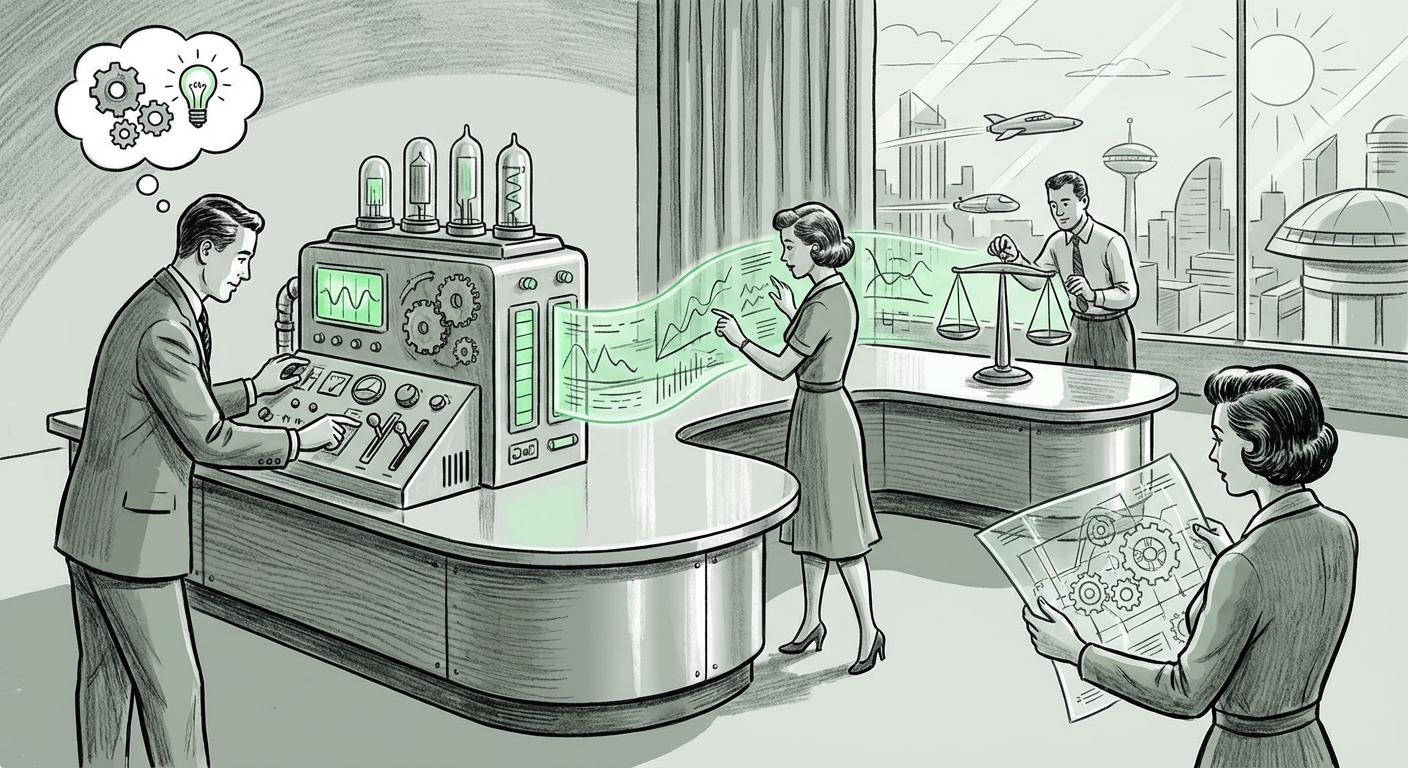
Unlock Your AI Potential: Skills Employers Want in 2026
Artificial intelligence (AI) is changing the world, and fast! By 2026, knowing how to use basic AI tools isn't enough to stand out. Employers are looking for people who can do more with AI. This article will explore the AI skills that will be highly valued and what this means for the future.
The Evolving AI Landscape
We've moved past simply knowing how to ask an AI chatbot a question. Now, companies want employees who can understand how AI works, how to use it to solve problems, and how to make it even better. This means a shift from basic usage to a deeper understanding and application of AI technologies.
Beyond the Basics: What Employers Expect
What exactly are companies looking for? Here’s a breakdown of the key skills that go beyond just using AI tools:
- Critical Thinking and Problem-Solving: AI can provide information, but it takes a human to analyze that information and make smart decisions. Employers want people who can use AI to explore different options and come up with the best solutions to complex problems.
- Data Analysis and Interpretation: AI tools can generate a lot of data. The real value comes from understanding what that data means. Being able to interpret AI-generated reports and identify trends is a crucial skill.
- AI Ethics and Governance: As AI becomes more powerful, it's important to use it responsibly. Employers need people who understand the ethical implications of AI and can help ensure it's used fairly and transparently.
- Prompt Engineering: This is the art of crafting effective prompts to get the best results from AI models. It involves understanding how AI interprets language and how to guide it to produce accurate and relevant outputs.
- AI Model Customization and Fine-Tuning: Off-the-shelf AI models are a great starting point, but often need to be customized for specific tasks. The ability to fine-tune AI models to improve their performance is a valuable asset.
- Understanding AI Limitations: AI isn't perfect. It can make mistakes and have biases. Knowing the limitations of AI is just as important as knowing its capabilities.
The Future of AI: Implications for Businesses and Society
These evolving expectations surrounding AI skills have major implications for businesses and society as a whole. Here's what we can expect:
- Increased Productivity and Efficiency: Employees with advanced AI skills will be able to automate tasks, improve decision-making, and boost overall productivity.
- More Innovation: A deeper understanding of AI will lead to new and innovative uses of the technology, driving progress across various industries.
- Better Decision-Making: By using AI to analyze data and identify trends, businesses can make more informed decisions, leading to better outcomes.
- Ethical Considerations: As AI becomes more integrated into our lives, ethical considerations will become even more important. We'll need to develop guidelines and regulations to ensure AI is used responsibly and fairly.
- Job Market Transformation: While some jobs may be automated by AI, new jobs will also be created. These new jobs will require skills in AI development, maintenance, and ethical oversight.
Actionable Insights: How to Prepare for the Future
So, how can you prepare for this AI-driven future? Here are some actionable insights:
- Focus on Continuous Learning: AI is constantly evolving, so it's important to stay up-to-date on the latest developments. Take online courses, attend workshops, and read industry publications to expand your knowledge.
- Develop Strong Analytical Skills: AI can provide data, but you need to be able to analyze that data and draw meaningful conclusions. Practice your analytical skills by working on real-world problems and case studies.
- Embrace Ethical Considerations: Think critically about the ethical implications of AI and how it can be used responsibly. Participate in discussions about AI ethics and consider taking courses on the topic.
- Experiment with AI Tools: Don't be afraid to experiment with different AI tools and platforms. The more you use them, the better you'll understand their capabilities and limitations.
- Build a Portfolio of AI Projects: Showcase your AI skills by creating a portfolio of projects that demonstrate your abilities. This could include anything from building a simple AI model to developing a complex AI-powered application.
The Path Forward
The future of work is intertwined with AI. By developing advanced AI skills, you can position yourself for success in the evolving job market and contribute to the responsible and beneficial use of this powerful technology. It's about more than just using the tools; it's about understanding the technology, its potential, and its limitations.