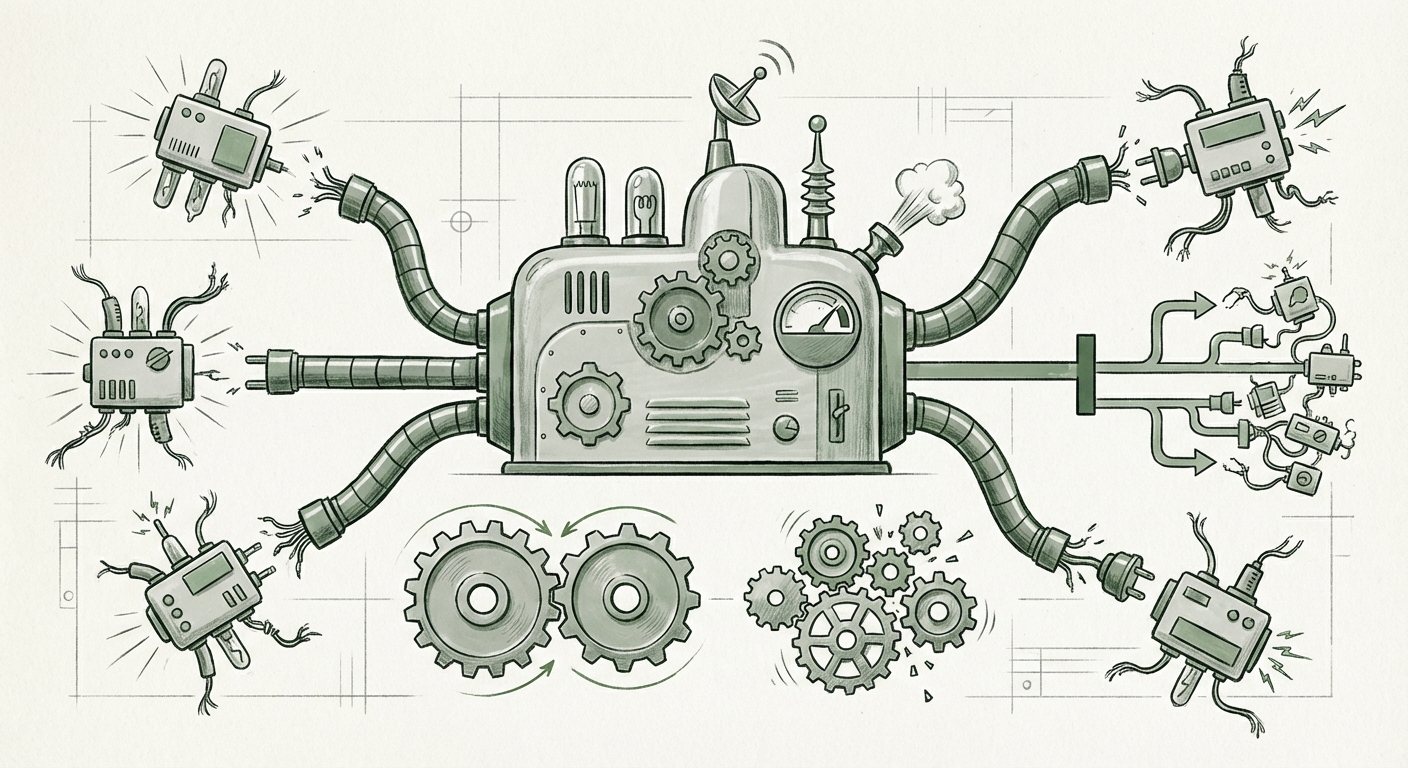
Anthropic's Claude Restricts Third-Party Tools: AI's Growing Pains or a Strategic Shift?
In a move that has sparked considerable discussion within the AI community, Anthropic, the company behind the Claude AI assistant, has decided to cut off access to third-party tools for its subscribers. This decision, reported on April 4, 2026, impacts tools like OpenClaw and is attributed to unsustainable demand. What does this mean for the future of AI, and how will it be used going forward? Let's dive in.
The Immediate Impact: A Shifting Landscape for Claude Users
For users of Claude, particularly those who relied on third-party integrations like OpenClaw to enhance their experience, this change represents an immediate shift in how they interact with the AI. These tools often provided functionalities that extended Claude's capabilities, such as improved data analysis, customized workflows, or seamless integration with other software platforms. The removal of this access means that users will need to adapt their strategies, potentially relying more on Claude's native features or seeking alternative solutions.
The stated reason for this change – unsustainable demand – suggests that the popularity of these third-party tools placed a significant strain on Anthropic's resources. This could be due to the computational costs associated with supporting these integrations, security concerns related to third-party access, or a strategic decision to focus on developing and promoting Claude's core functionalities.
Analyzing the "Unsustainable Demand" Argument
The phrase "unsustainable demand" raises several questions:
- Was it truly unsustainable? Or were there other underlying factors influencing the decision? Perhaps Anthropic is pivoting its strategy to focus on direct user engagement and control over the Claude ecosystem.
- What kind of demand are we talking about? Is it computational, infrastructural, or related to customer support? Understanding the nature of the demand is crucial to interpreting Anthropic's move.
- Could the demand have been managed differently? Could Anthropic have implemented measures such as rate limiting, tiered access, or API usage fees to mitigate the strain while still allowing third-party integrations?
The answers to these questions will shed light on the long-term implications of this decision.
The Future of AI: Centralization vs. Open Ecosystems
Anthropic's decision to restrict third-party tool access highlights a fundamental tension in the development of AI: the balance between centralization and open ecosystems. On one hand, a centralized approach allows AI developers to maintain greater control over their platforms, ensuring quality, security, and a consistent user experience. It also enables them to prioritize their own product roadmap and strategic goals. On the other hand, open ecosystems foster innovation, allowing third-party developers to build upon existing AI capabilities and create new and unexpected applications.
This move by Anthropic could signal a trend towards greater centralization within the AI industry, particularly as AI models become more sophisticated and resource-intensive. Other AI developers may follow suit, restricting third-party access to maintain control over their platforms and manage costs. However, it could also backfire, pushing users and developers towards more open and flexible AI ecosystems.
Practical Implications for Businesses
For businesses that rely on AI tools like Claude, this change has several practical implications:
- Re-evaluate workflows: Businesses need to assess how the removal of third-party tools will impact their existing workflows and identify alternative solutions or strategies.
- Consider native features: Explore Claude's native features and capabilities to see if they can replace the functionalities previously provided by third-party tools.
- Look for alternatives: Investigate other AI platforms or tools that offer similar functionalities and greater flexibility in terms of third-party integrations.
- Negotiate directly: For critical functionalities, businesses might explore direct partnerships or custom integrations with Anthropic to ensure continued access.
- Stay informed: Keep abreast of developments in the AI landscape and be prepared to adapt to changing policies and platform capabilities.
The ability to adapt quickly and strategically will be crucial for businesses navigating this evolving landscape.
Societal Impact: Innovation and Accessibility
The long-term societal impact of this decision hinges on how it affects innovation and accessibility in the AI space. If more AI developers adopt a centralized approach, it could stifle innovation by limiting the opportunities for third-party developers to experiment and create new applications. This could lead to a slower pace of progress and a less diverse range of AI-powered solutions.
Furthermore, restricting access to third-party tools could disproportionately affect smaller businesses and individuals who rely on these tools to enhance the capabilities of AI platforms like Claude. This could create a barrier to entry and limit the accessibility of AI technology, exacerbating existing inequalities.
Actionable Insights: Navigating the Changing AI Landscape
Here are some actionable insights for individuals and businesses navigating this changing AI landscape:
- Diversify your AI toolkit: Don't rely solely on one AI platform or tool. Explore a range of options to ensure you have alternatives if one platform changes its policies or capabilities.
- Support open-source AI initiatives: Contribute to and support open-source AI projects to foster innovation and ensure greater accessibility to AI technology.
- Advocate for open standards: Encourage AI developers to adopt open standards and APIs to facilitate interoperability and prevent vendor lock-in.
- Invest in AI literacy: Develop your understanding of AI technology and its implications to make informed decisions about its use and development.
- Provide feedback: Engage with AI developers and provide feedback on their platforms and policies to help shape the future of AI in a way that benefits society as a whole.
Conclusion: A Crossroads for AI Development
Anthropic's decision to cut off third-party tool access for Claude subscribers represents a pivotal moment in the evolution of AI. It highlights the ongoing tension between centralization and open ecosystems, and it raises important questions about the future of innovation, accessibility, and control in the AI space. While the stated reason of "unsustainable demand" may be valid, the long-term implications of this decision are far-reaching and warrant careful consideration by businesses, developers, and policymakers alike. The path forward will require a delicate balance between managing resources, fostering innovation, and ensuring that AI technology remains accessible and beneficial to all.