AI Agent Observability: The Key to Unlocking Enterprise AI Potential
Artificial intelligence (AI) agents are becoming more and more important for businesses. By 2026, many companies are using AI agents to automate tasks, make decisions, and improve customer experiences. But as these agents become more complex, it's also becoming harder to understand how they work and why they make certain decisions. This is where AI agent observability comes in.
What is AI Agent Observability?
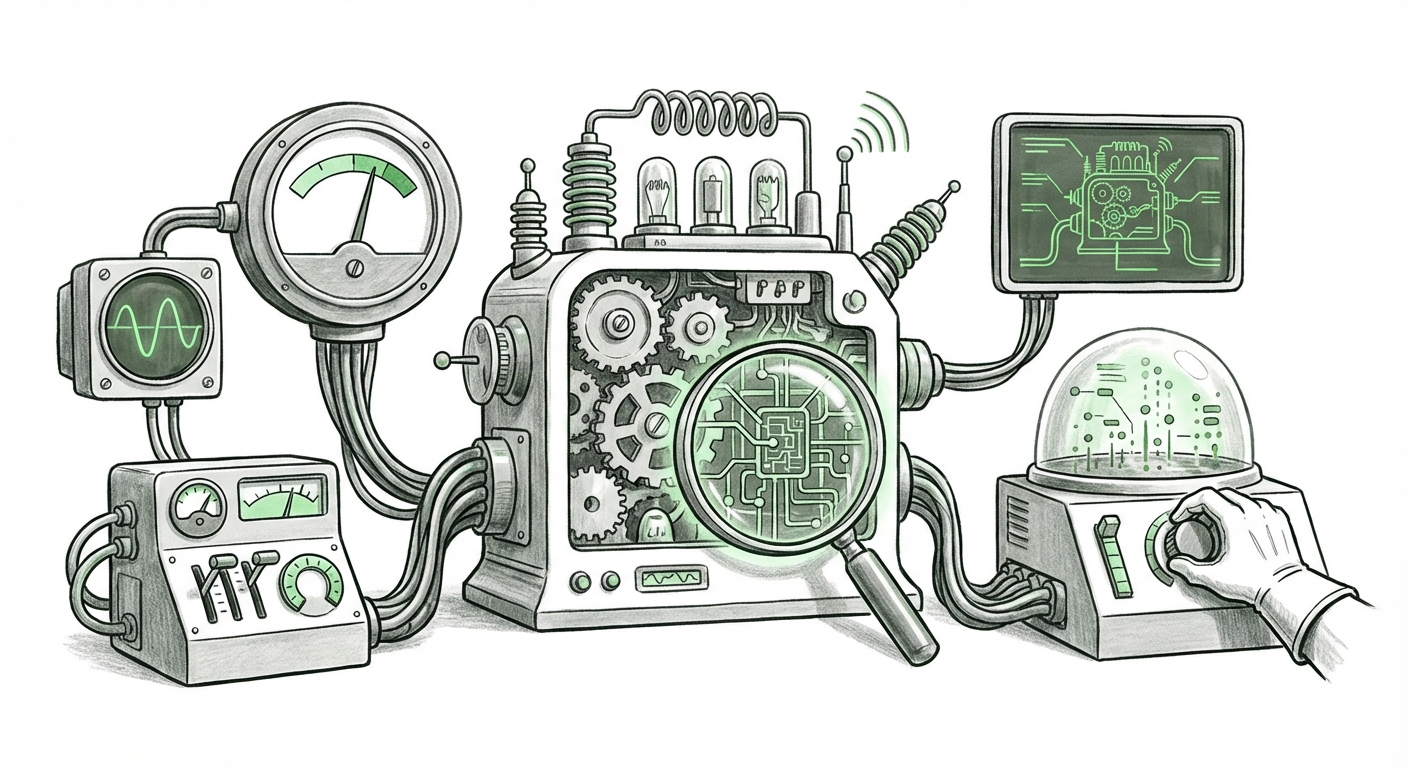
AI agent observability is all about being able to see inside an AI agent and understand what's going on. It's like having a set of tools that allow you to monitor the agent's activities, track its performance, and identify any problems that might arise. Think of it as a doctor monitoring a patient's vital signs – you need to know what's happening inside to ensure everything is running smoothly.
Specifically, observability includes:
- Monitoring: Keeping an eye on the agent's key metrics, such as its accuracy, speed, and resource usage.
- Understanding: Figuring out why the agent is making certain decisions and how it's interacting with its environment.
- Troubleshooting: Identifying and fixing any issues that are affecting the agent's performance.
Why is AI Agent Observability Important?
Imagine you have a self-driving car. You wouldn't want it to make unexpected turns or suddenly stop without knowing why, right? The same goes for AI agents in business. If you don't understand how they're working, you can't trust them to make important decisions.
Here are some key reasons why AI agent observability is so important:
- Ensuring Reliability: Observability helps you make sure your AI agents are working as expected. If something goes wrong, you can quickly identify the problem and fix it.
- Improving Performance: By monitoring the agent's performance, you can identify areas where it can be improved. This could involve tweaking its algorithms, providing it with more data, or changing its environment.
- Building Trust: When you can see how an AI agent is making decisions, it's easier to trust it. This is especially important in areas where AI is being used to make critical decisions, such as in healthcare or finance.
- Meeting Regulatory Requirements: In some industries, there are strict regulations about how AI systems are used. Observability can help you demonstrate that your AI agents are compliant with these regulations.
The Future of AI: The Observability Imperative
The trend toward greater AI agent observability will shape the future of AI in several significant ways:
- Smarter AI: Observability tools provide valuable data that can be used to train AI agents to be even smarter. By understanding how an agent is performing, developers can fine-tune its algorithms and improve its decision-making abilities.
- More Widespread Adoption: As AI becomes more reliable and trustworthy, more businesses will be willing to adopt it. Observability plays a key role in building this trust.
- New Applications: With better observability, AI agents can be used in a wider range of applications. For example, they could be used to manage complex supply chains, develop personalized education programs, or even conduct scientific research.
Practical Implications for Businesses and Society
The rise of AI agent observability has several practical implications for businesses and society as a whole:
- Businesses Need to Invest in Observability Tools: Companies that want to take advantage of AI need to invest in tools that allow them to monitor and understand their AI agents. This could involve buying off-the-shelf software or developing their own custom solutions.
- New Jobs Will Be Created: As AI becomes more complex, there will be a growing demand for people who can manage and monitor AI systems. This could lead to the creation of new jobs in areas such as AI operations, AI governance, and AI ethics.
- Greater Transparency and Accountability: Observability can help make AI systems more transparent and accountable. This is important for building public trust in AI and ensuring that it is used in a responsible way.
Actionable Insights
Here are some actionable insights for businesses looking to implement AI agent observability:
- Start Early: Don't wait until your AI agents are already deployed to start thinking about observability. Incorporate observability into your AI development process from the very beginning.
- Choose the Right Tools: There are many different observability tools available, so it's important to choose the ones that are right for your specific needs. Consider factors such as the type of AI agents you're using, the complexity of your AI systems, and your budget.
- Train Your Staff: Make sure your staff has the skills and knowledge they need to use observability tools effectively. This could involve providing training courses, hiring experts, or partnering with a consulting firm.
- Continuously Monitor and Improve: Observability is not a one-time task. You need to continuously monitor your AI agents and use the data you collect to improve their performance.
Conclusion
AI agent observability is a critical component of successful AI deployments in 2026 and beyond. By investing in observability, businesses can ensure that their AI agents are reliable, trustworthy, and compliant with regulations. This will lead to greater adoption of AI, new applications, and a more transparent and accountable AI ecosystem.