Decoding OpenAI's New Pricing: The Future of AI-Powered Code is Here
In a move that's sending ripples through the AI and software development communities, OpenAI has announced a significant shift in how it prices access to Codex, the AI model powering many of ChatGPT's coding capabilities for business plans. Instead of a fixed subscription fee, OpenAI is transitioning to usage-based pricing. What does this mean for the future of AI, and how will it affect businesses and society?
What's Changing? Usage-Based Pricing Explained
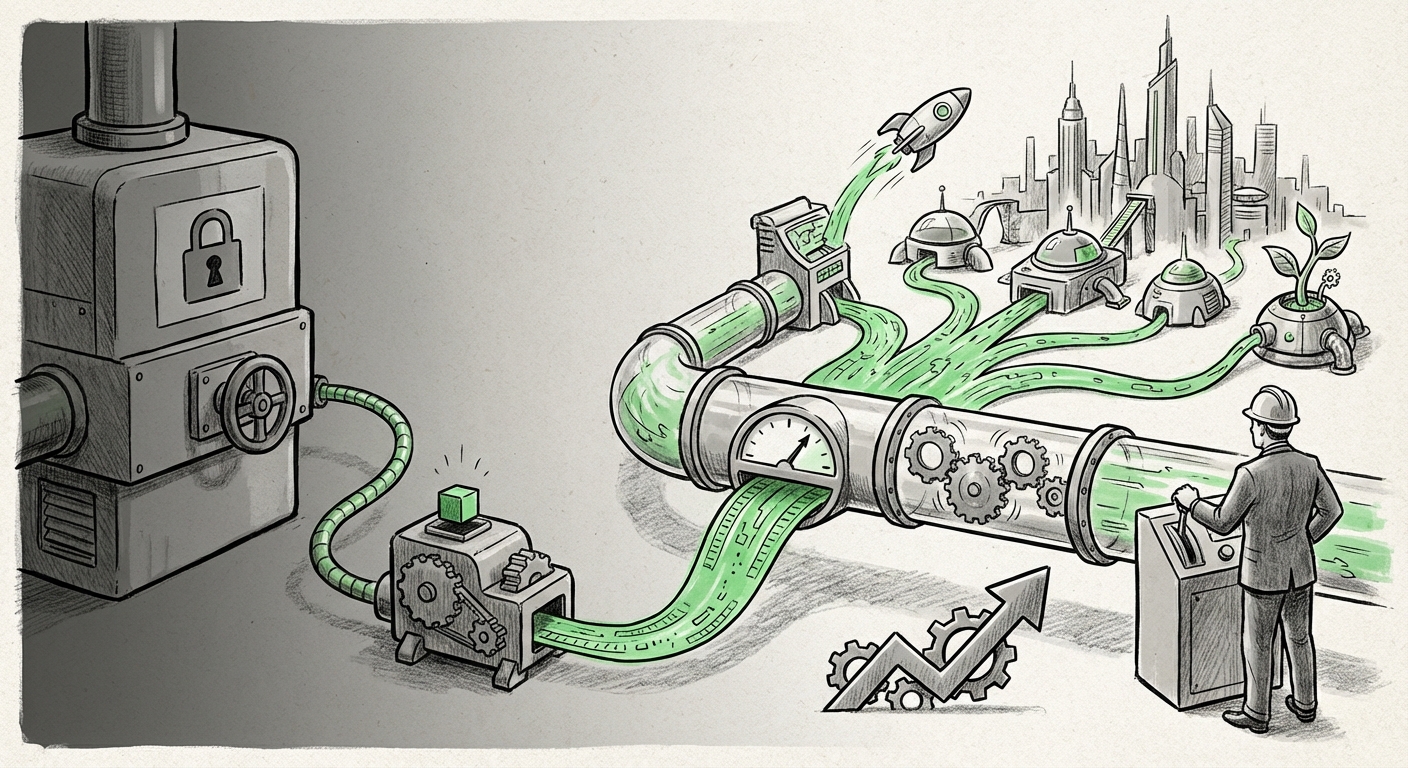
Previously, businesses using ChatGPT's coding features through Codex paid a flat fee for access, regardless of how much or how little they used the service. Now, OpenAI is adopting a "pay-as-you-go" model. This means companies will only be charged for the actual amount of Codex processing they consume. Think of it like switching from an unlimited data plan on your phone to paying for each gigabyte you use.
This change primarily impacts businesses leveraging ChatGPT for tasks like:
- Automated Code Generation: Creating code snippets or entire programs from natural language descriptions.
- Code Completion: Suggesting the next lines of code as a developer types.
- Code Translation: Converting code from one programming language to another.
- Bug Detection: Identifying potential errors in existing code.
Why the Shift? Understanding OpenAI's Strategy
Several factors are likely driving OpenAI's decision to move to usage-based pricing:
- Fairness and Flexibility: A usage-based model is generally perceived as fairer, especially for businesses with varying coding needs. Companies that only occasionally use Codex won't have to pay as much as those who rely on it heavily.
- Scalability: As more businesses adopt AI-powered coding tools, usage-based pricing allows OpenAI to scale its infrastructure more efficiently. It can better allocate resources based on actual demand.
- Competitive Positioning: The AI market is becoming increasingly competitive. Usage-based pricing can be a powerful tool for attracting new customers and retaining existing ones by offering more transparent and cost-effective solutions.
- Data-Driven Optimization: By tracking usage patterns, OpenAI can gain valuable insights into how Codex is being used. This data can then be used to improve the model's performance, optimize pricing strategies, and develop new features that better meet customer needs.
The Future of AI-Powered Code: Implications and Predictions
OpenAI's shift to usage-based pricing for Codex signals a broader trend towards more flexible and accessible AI services. Here’s what this could mean for the future:
More Accessible AI for Small Businesses
The new pricing model is likely to lower the barrier to entry for smaller businesses that want to experiment with AI-powered coding. Instead of committing to a large upfront investment, they can start small and scale their usage as needed.
Increased Adoption of AI in Software Development
As AI tools become more affordable and easier to use, we can expect to see a wider adoption of AI in all stages of the software development lifecycle. This could lead to faster development cycles, higher quality code, and more innovative software applications.
A Focus on Efficiency and Optimization
With usage-based pricing, businesses will be incentivized to use Codex more efficiently. This could lead to the development of new strategies and best practices for leveraging AI in coding tasks.
The Rise of Specialized AI Models
As AI technology matures, we may see the emergence of more specialized AI models that are tailored to specific coding tasks or industries. These models could offer even greater efficiency and accuracy than general-purpose models like Codex.
Democratization of Code
AI-powered coding tools have the potential to democratize code, making it easier for people with limited programming experience to create software applications. This could empower citizen developers and lead to a new wave of innovation.
Practical Implications for Businesses
Here's how businesses can prepare for and leverage the shift to usage-based pricing for Codex:
- Monitor Your Usage: Carefully track your team's usage of Codex to understand your actual costs and identify areas where you can optimize your consumption.
- Train Your Team: Educate your developers on how to use Codex efficiently and effectively. Encourage them to experiment with different techniques and strategies to maximize its value.
- Integrate with Existing Workflows: Seamlessly integrate Codex into your existing development workflows to minimize disruption and maximize productivity.
- Consider Alternative AI Tools: Explore other AI-powered coding tools that may offer different pricing models or features. Compare the options to find the best fit for your specific needs.
- Negotiate Pricing: If you are a large enterprise, consider negotiating a custom pricing agreement with OpenAI based on your anticipated usage.
Societal Impact: Opportunities and Challenges
The increasing use of AI in coding has the potential to create significant societal benefits, but it also raises some important challenges:
- Increased Productivity and Innovation: AI-powered coding tools can help developers work faster and more efficiently, leading to increased productivity and innovation.
- Reduced Software Development Costs: By automating many coding tasks, AI can help reduce the cost of software development, making it more accessible to businesses and individuals.
- New Job Opportunities: While AI may automate some coding tasks, it will also create new job opportunities in areas such as AI model development, data analysis, and AI integration.
- The Skills Gap: To take advantage of the opportunities created by AI, workers will need to acquire new skills in areas such as AI literacy, data science, and software development.
- Ethical Concerns: As AI becomes more powerful, it's important to address ethical concerns such as bias, fairness, and accountability.
- Potential for Job Displacement: While new jobs will be created, there is also the potential for job displacement as AI automates certain coding tasks. It's important to provide training and support for workers who may be affected by these changes.
Actionable Insights
The shift to usage-based pricing is more than just a change in billing; it's a reflection of the evolving AI landscape. Businesses should:
- Embrace Experimentation: Don't be afraid to try Codex and other AI tools. The new pricing makes it easier than ever to explore the possibilities.
- Invest in Training: Equip your team with the skills they need to use AI effectively.
- Stay Informed: Keep up-to-date on the latest developments in AI and their potential impact on your business.