The AI Cyber Arms Race: Offensive Capabilities Double Every Six Months
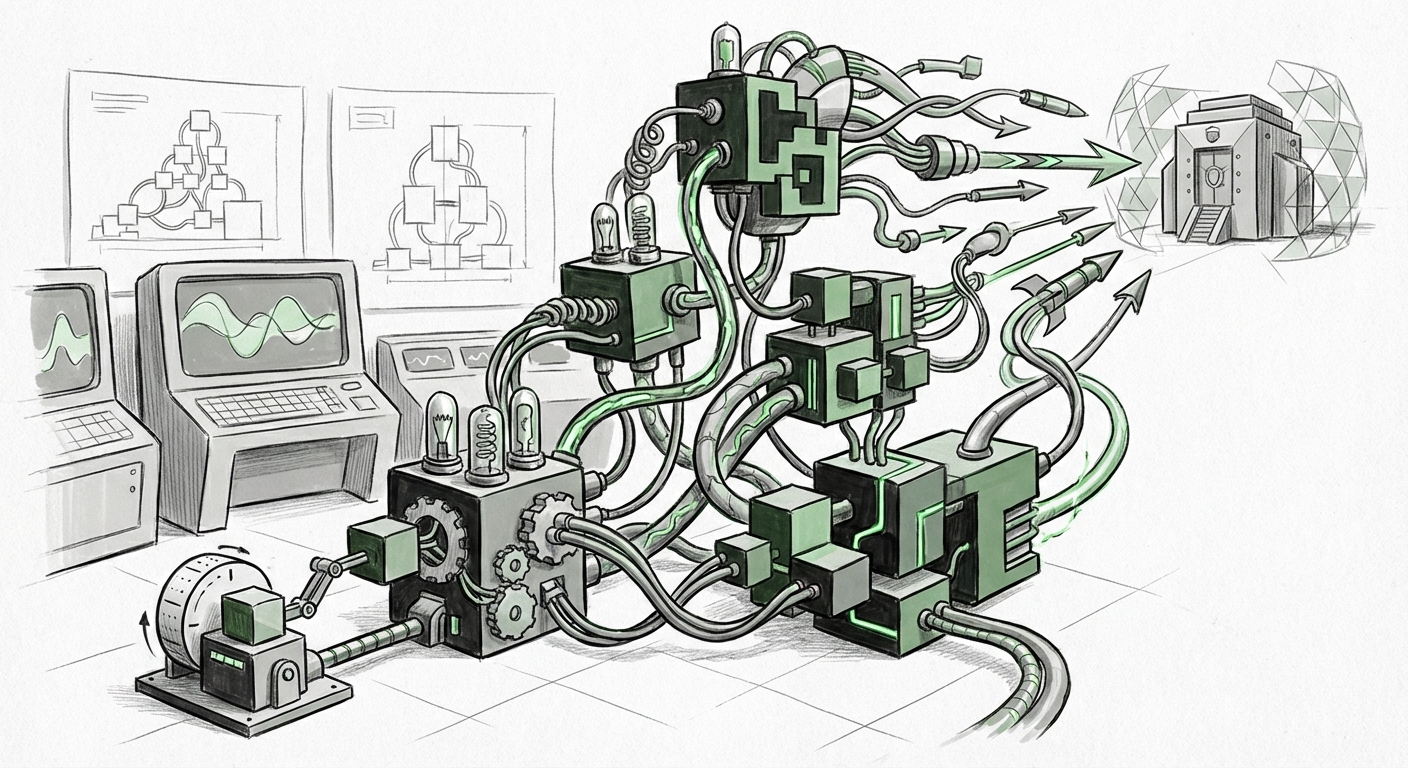
Artificial intelligence (AI) is rapidly changing many aspects of our lives, and cybersecurity is no exception. Recent findings indicate an alarming trend: AI's offensive cyber capabilities are doubling every six months. This means that the ability of AI to launch and execute cyberattacks is growing at an exponential rate, presenting significant challenges and requiring immediate attention from businesses, governments, and individuals.
Understanding the Exponential Growth of AI Cyber Offense
According to safety researchers, the speed at which AI is enhancing offensive cyber capabilities is unprecedented. This rapid growth is fueled by several factors:
- Advancements in AI Algorithms: New and improved AI algorithms are constantly being developed, making it easier to create more sophisticated and effective cyber weapons.
- Increased Computing Power: The availability of more powerful computers and cloud resources allows AI systems to process vast amounts of data and learn more quickly. This accelerates the development and deployment of AI-powered cyber tools.
- Data Availability: AI models learn from data, and the increasing amount of data available online provides a rich training ground for AI to identify vulnerabilities and develop attack strategies.
- Accessibility of AI Tools: AI tools and platforms are becoming more accessible to a wider range of users, including those with malicious intent. This democratization of AI lowers the barrier to entry for cybercriminals.
This combination of factors creates a perfect storm, leading to the doubling of AI's offensive cyber capabilities every six months. This is not just a linear progression; it's an exponential one, meaning the threat landscape is evolving at an increasingly rapid pace.
What This Means for the Future of AI and How It Will Be Used
The exponential growth of AI cyber offense has profound implications for the future of AI and its applications, specifically:
More Sophisticated and Automated Attacks
AI can automate many aspects of cyberattacks, from reconnaissance and vulnerability scanning to exploit development and deployment. This automation makes attacks faster, more efficient, and harder to detect. AI can also create attacks that adapt in real-time to defenses, making them even more effective.
New Types of Cyber Threats
AI can be used to create entirely new types of cyber threats that are difficult to defend against using traditional methods. For example, AI can generate realistic phishing emails that are almost impossible to distinguish from legitimate messages, or it can be used to create "deepfake" audio or video to manipulate individuals and organizations.
Increased Scale and Speed of Attacks
AI can launch attacks on a much larger scale than humans can, targeting thousands or even millions of systems simultaneously. It can also launch attacks much faster, exploiting vulnerabilities before they can be patched.
Targeted and Personalized Attacks
AI can analyze vast amounts of data to identify specific individuals or organizations that are vulnerable to attack. It can then create personalized attacks that are tailored to the target's specific weaknesses and interests, making them more likely to succeed.
Evasion of Security Measures
AI can be used to evade traditional security measures, such as firewalls and intrusion detection systems. For example, AI can generate malicious code that is polymorphic, meaning it changes its form each time it is executed, making it difficult to detect using signature-based methods.
Practical Implications for Businesses and Society
The rapid growth of AI cyber offense has significant practical implications for businesses and society:
- Increased Risk of Cyberattacks: Businesses and individuals are at greater risk of falling victim to cyberattacks, which can result in financial losses, reputational damage, and disruption of operations.
- Higher Costs of Cybersecurity: Organizations will need to invest more in cybersecurity to protect themselves from AI-powered attacks. This includes implementing advanced security technologies, training employees, and hiring cybersecurity experts.
- Need for Proactive Security Measures: Traditional reactive security measures are no longer sufficient. Organizations need to adopt a proactive approach to cybersecurity, which includes threat hunting, vulnerability assessments, and penetration testing.
- Importance of AI-Powered Security Solutions: AI can also be used to enhance cybersecurity. AI-powered security solutions can detect and respond to threats more quickly and effectively than traditional methods.
- Ethical Considerations: The development and use of AI cyber capabilities raise ethical concerns. It is important to ensure that AI is used responsibly and ethically, and that appropriate safeguards are in place to prevent misuse.
Actionable Insights: How to Prepare for the AI Cyber Threat
Given the alarming rate at which AI's offensive cyber capabilities are growing, it's crucial to take proactive steps to protect your business and yourself. Here are some actionable insights:
- Invest in AI-Powered Security Solutions: Implement AI-driven security tools that can detect and respond to sophisticated attacks in real-time. This includes solutions for threat detection, intrusion prevention, and vulnerability management.
- Enhance Employee Training: Educate employees about the latest cyber threats, including phishing attacks and social engineering tactics. Conduct regular training sessions to keep them up-to-date on best practices for cybersecurity.
- Implement Multi-Factor Authentication (MFA): Enable MFA for all critical systems and applications. This adds an extra layer of security and makes it more difficult for attackers to gain unauthorized access.
- Regularly Update Software and Systems: Keep all software and systems up-to-date with the latest security patches. This helps to protect against known vulnerabilities that attackers can exploit.
- Conduct Regular Security Audits and Penetration Testing: Conduct regular security audits and penetration testing to identify vulnerabilities and weaknesses in your systems. This allows you to address potential security gaps before attackers can exploit them.
- Develop an Incident Response Plan: Create a comprehensive incident response plan that outlines the steps to take in the event of a cyberattack. This ensures that you can respond quickly and effectively to minimize the impact of an attack.
- Monitor Network Traffic: Implement network monitoring tools that can detect suspicious activity and potential threats. This allows you to identify and respond to attacks before they cause significant damage.
- Stay Informed About the Latest Threats: Stay up-to-date on the latest cyber threats and vulnerabilities. Follow cybersecurity news sources and subscribe to security alerts from trusted organizations.
- Collaborate and Share Information: Share information about cyber threats with other organizations in your industry. This helps to improve collective security and prevent future attacks.
Conclusion
The exponential growth of AI's offensive cyber capabilities presents a significant challenge to businesses and society. By understanding the implications of this trend and taking proactive steps to protect ourselves, we can mitigate the risks and ensure a more secure future. The time to act is now, before AI-powered cyberattacks become even more sophisticated and widespread.