AI-Powered Fraud: How Medvi's Fake Ads Reveal the Dark Side of Artificial Intelligence
Imagine a world where ads are so perfectly tailored to you that they seem almost too good to be true. Now imagine that these ads are completely fake, designed to trick you into spending money on services that don't deliver. This is the reality that unfolded with the telehealth startup Medvi, according to a report in the-decoder.com on 2026-04-06.
The Rise and Fall of Medvi: A Cautionary Tale
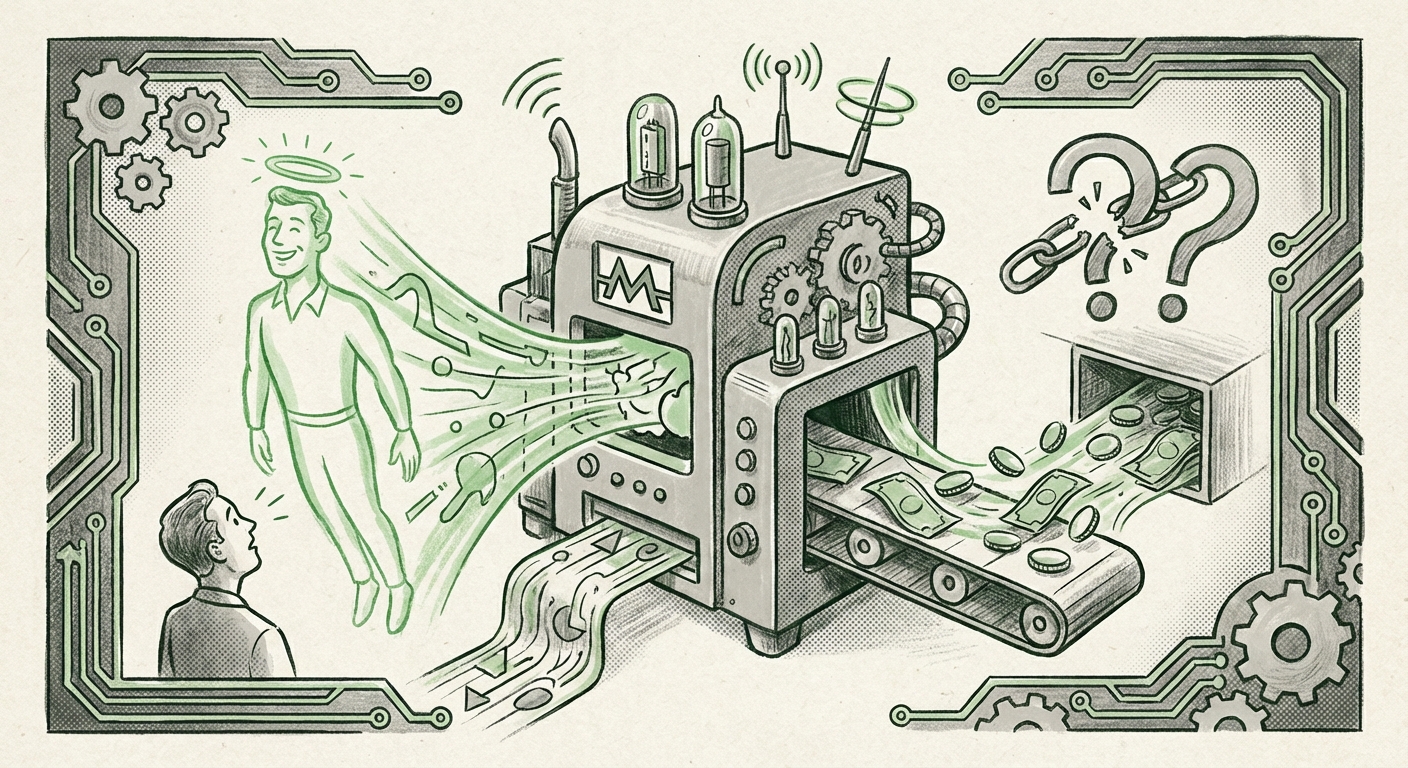
Medvi, a telehealth startup, achieved what many companies only dream of: generating billions in revenue. However, their success wasn't built on genuine innovation or quality service. Instead, Medvi used artificial intelligence (AI) to create and deploy fake advertising on a massive scale. This highlights a growing concern: the potential for AI to be used for deceptive and harmful purposes.
According to the report, Medvi's AI algorithms were designed to identify vulnerable individuals and create hyper-personalized ads that preyed on their insecurities and health concerns. These ads promised quick and easy solutions to complex medical problems, often exaggerating the benefits and downplaying the risks. The sheer scale and sophistication of the AI-driven campaign allowed Medvi to reach a vast audience and rake in substantial profits.
What This Means for the Future of AI
The Medvi case serves as a stark warning about the ethical implications of AI. Here’s what it means for the future:
1. AI as a Tool for Deception
AI's ability to analyze data, identify patterns, and generate content makes it a powerful tool for creating highly convincing fake advertisements. The Medvi scandal demonstrates that AI can be weaponized to exploit consumers on a massive scale. We need to acknowledge that AI isn't inherently good or bad; it's a technology that can be used for both beneficial and malicious purposes.
2. The Need for Robust AI Ethics and Governance
The lack of proper ethical guidelines and regulatory oversight allowed Medvi to operate unchecked for an extended period. This underscores the urgent need for comprehensive AI ethics frameworks and governance structures. These frameworks should address issues such as data privacy, algorithmic bias, and the responsible use of AI in advertising and marketing.
3. The Importance of AI Literacy
As AI becomes more prevalent in our lives, it's crucial for individuals to develop AI literacy – the ability to understand and critically evaluate AI-driven content. This includes recognizing the signs of fake advertising and understanding how AI algorithms work. Education and awareness campaigns can empower consumers to make informed decisions and protect themselves from AI-powered scams.
Practical Implications for Businesses and Society
The Medvi case has far-reaching implications for businesses and society as a whole:
For Businesses:
- Focus on Ethical AI Development: Companies must prioritize ethical considerations when developing and deploying AI technologies. This includes conducting thorough risk assessments, implementing transparency measures, and ensuring accountability for AI-driven decisions.
- Invest in AI Auditing and Monitoring: Businesses should invest in tools and processes for auditing and monitoring their AI systems to detect and prevent malicious use. This includes monitoring for biased or discriminatory outcomes, as well as identifying and addressing potential security vulnerabilities.
- Promote a Culture of Responsible Innovation: Companies should foster a culture that encourages responsible innovation and ethical decision-making. This involves educating employees about the ethical implications of AI and providing them with the resources and support they need to make informed choices.
For Society:
- Strengthen Regulatory Oversight: Governments and regulatory bodies must strengthen oversight of AI technologies to prevent their misuse. This includes establishing clear guidelines for AI advertising, as well as enforcing penalties for companies that engage in deceptive or unethical practices.
- Promote AI Education and Awareness: Public education campaigns are essential for raising awareness about the potential risks and benefits of AI. These campaigns should focus on empowering individuals to critically evaluate AI-driven content and make informed decisions.
- Foster Collaboration and Dialogue: Addressing the ethical challenges of AI requires collaboration and dialogue among stakeholders from diverse backgrounds, including researchers, policymakers, industry leaders, and civil society organizations.
Actionable Insights
Here are some actionable insights that can help businesses and individuals navigate the challenges of AI-powered fraud:
For Businesses:
- Implement Ethical AI Guidelines: Develop and implement clear ethical guidelines for AI development and deployment. These guidelines should address issues such as data privacy, algorithmic bias, and transparency.
- Conduct Regular AI Audits: Conduct regular audits of your AI systems to identify and address potential risks and vulnerabilities. This includes monitoring for biased or discriminatory outcomes, as well as ensuring that your AI systems are secure and compliant with relevant regulations.
- Invest in AI Training: Invest in training programs to educate your employees about the ethical implications of AI and how to use AI responsibly.
For Individuals:
- Be Skeptical of Online Ads: Be skeptical of online ads, especially those that promise quick and easy solutions to complex problems. Always do your research and verify the claims made in advertisements before making a purchase.
- Protect Your Data: Protect your personal data by using strong passwords, enabling two-factor authentication, and being careful about what information you share online.
- Report Suspicious Activity: Report any suspicious activity you encounter online to the appropriate authorities. This includes reporting fake advertisements, scams, and other forms of online fraud.
The Future of AI: A Crossroads
The Medvi case presents a critical juncture for the future of AI. Will we harness the power of AI for good, using it to solve some of the world's most pressing problems? Or will we allow it to be used for malicious purposes, eroding trust and undermining social well-being? The answer depends on the choices we make today. By prioritizing ethical considerations, strengthening regulatory oversight, and promoting AI literacy, we can ensure that AI is used to create a better future for all.