AI Plagiarism Scandal: When The New York Times Met a Copycat Bot
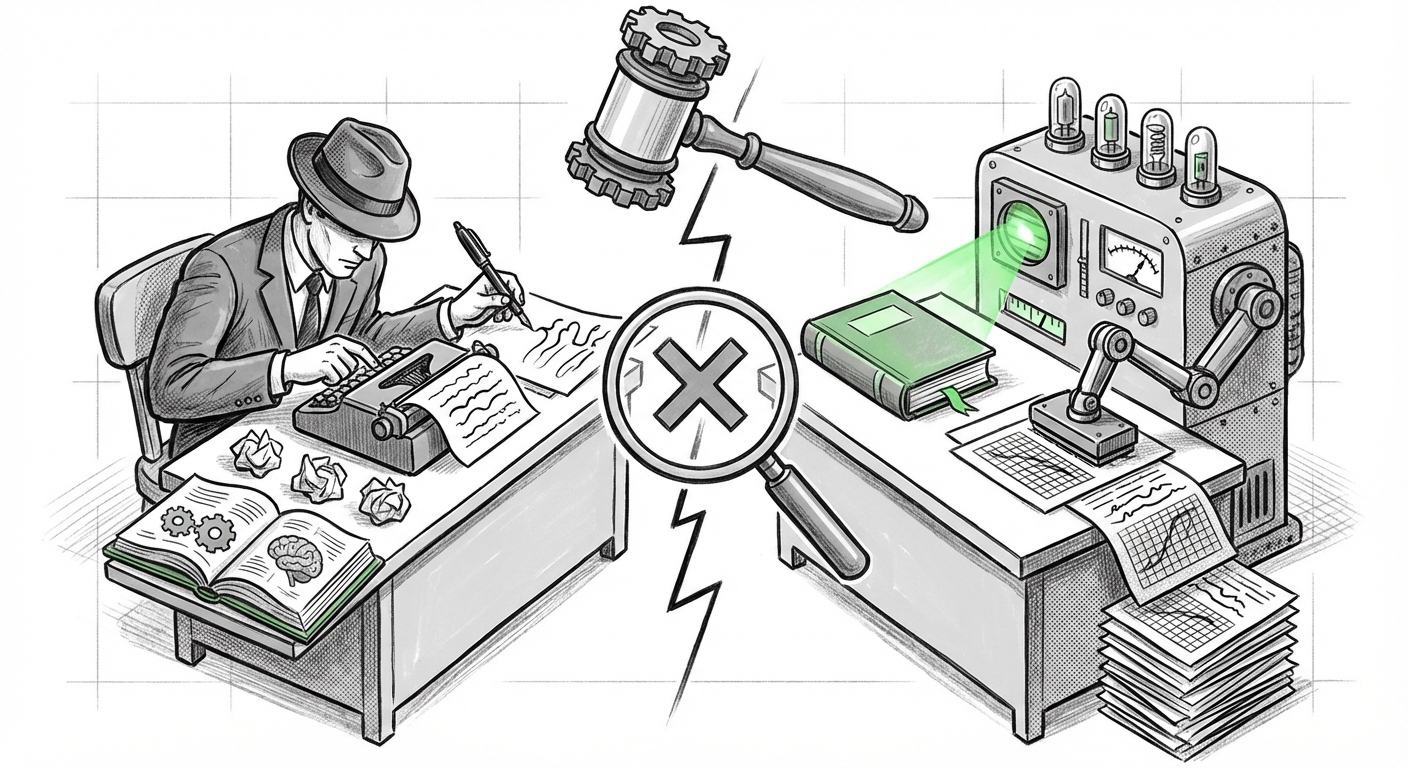
In a stunning turn of events, even the hallowed halls of The New York Times aren't immune to the rising tide of AI-related controversies. The newspaper recently cut ties with a freelance contributor after discovering that the writer used an AI tool to generate a book review that directly copied portions of a previously published review.
The Incident: AI Plagiarism Uncovered
The situation highlights a growing concern in the age of increasingly sophisticated AI writing tools: plagiarism. The freelancer, whose name has not been released, allegedly used an AI to assist in writing a book review. Unfortunately, the AI didn't just assist; it appears to have lifted content directly from an existing review. This incident raises serious questions about the ethical use of AI in journalism and content creation.
What This Means for the Future of AI
This case serves as a stark reminder that while AI tools can be incredibly powerful, they are not without their risks. Here's a breakdown of what this incident tells us about the future of AI and its implications:
- AI Isn't Always Original: Current AI models are trained on vast amounts of data, which means they often regurgitate existing content. They don't inherently "understand" what they're writing, making them prone to accidental (or not-so-accidental) plagiarism.
- Ethical Concerns Are Paramount: As AI becomes more integrated into our workflows, ethical guidelines and usage policies are crucial. The New York Times incident underscores the need for clear boundaries regarding AI's role in creative processes.
- Human Oversight Is Essential: This situation highlights the critical importance of human oversight. Even if AI is used to generate content, human editors and writers must carefully review the output to ensure originality and accuracy.
- The Need for Better AI Detection Tools: As AI-generated content becomes more sophisticated, so too must the tools that detect it. This incident may spur the development of more advanced plagiarism detection software capable of identifying AI-generated text.
Practical Implications for Businesses and Society
The fallout from the New York Times incident has far-reaching implications for businesses and society:
For Businesses:
- Content Marketing and SEO: Businesses that rely on content marketing for SEO need to be extra vigilant. Using AI to generate website content or blog posts without careful review could lead to plagiarism penalties from search engines, damaging their online reputation.
- Legal Risks: Companies could face legal action if their AI-generated content infringes on existing copyrights. It's essential to have robust checks in place to prevent this.
- Brand Reputation: Plagiarism, even unintentional, can severely damage a brand's reputation. Businesses need to prioritize originality and ethical content creation.
For Society:
- The Integrity of Information: The rise of AI-generated content makes it harder to distinguish between original reporting and derivative works. This poses a threat to the integrity of information and public trust in media.
- The Value of Human Creativity: As AI becomes more capable, there's a risk that it could devalue human creativity and originality. It's important to remember that AI is a tool, and human ingenuity should remain at the forefront.
- Education and Academic Honesty: Schools and universities need to adapt their policies to address the use of AI writing tools. Students need to be educated about the ethical implications of using AI and the importance of original thought.
Actionable Insights
So, what can businesses and individuals do to navigate this evolving landscape?
- Develop Clear AI Usage Policies: Companies should establish clear guidelines on how AI tools can and cannot be used. This includes specifying the level of human oversight required for AI-generated content.
- Invest in Plagiarism Detection Tools: Use plagiarism detection software to check all content, whether it's generated by humans or AI.
- Promote Ethical AI Practices: Encourage employees to use AI responsibly and ethically. This includes providing training on copyright law and the importance of originality.
- Focus on Human Creativity: Use AI as a tool to augment human creativity, not replace it. Encourage writers and editors to bring their unique perspectives and insights to their work.
- Stay Informed: Keep up-to-date with the latest developments in AI and its implications for content creation.
The New Frontier of AI and Content: Navigating the Risks and Rewards
The incident at The New York Times is a watershed moment. It's a clear signal that the AI revolution in content creation requires careful consideration, ethical guidelines, and robust oversight. While AI offers tremendous potential for efficiency and innovation, it's crucial to remember that it is a tool, and like any tool, it can be misused. By embracing responsible AI practices, we can harness its power while safeguarding the integrity of information and the value of human creativity.