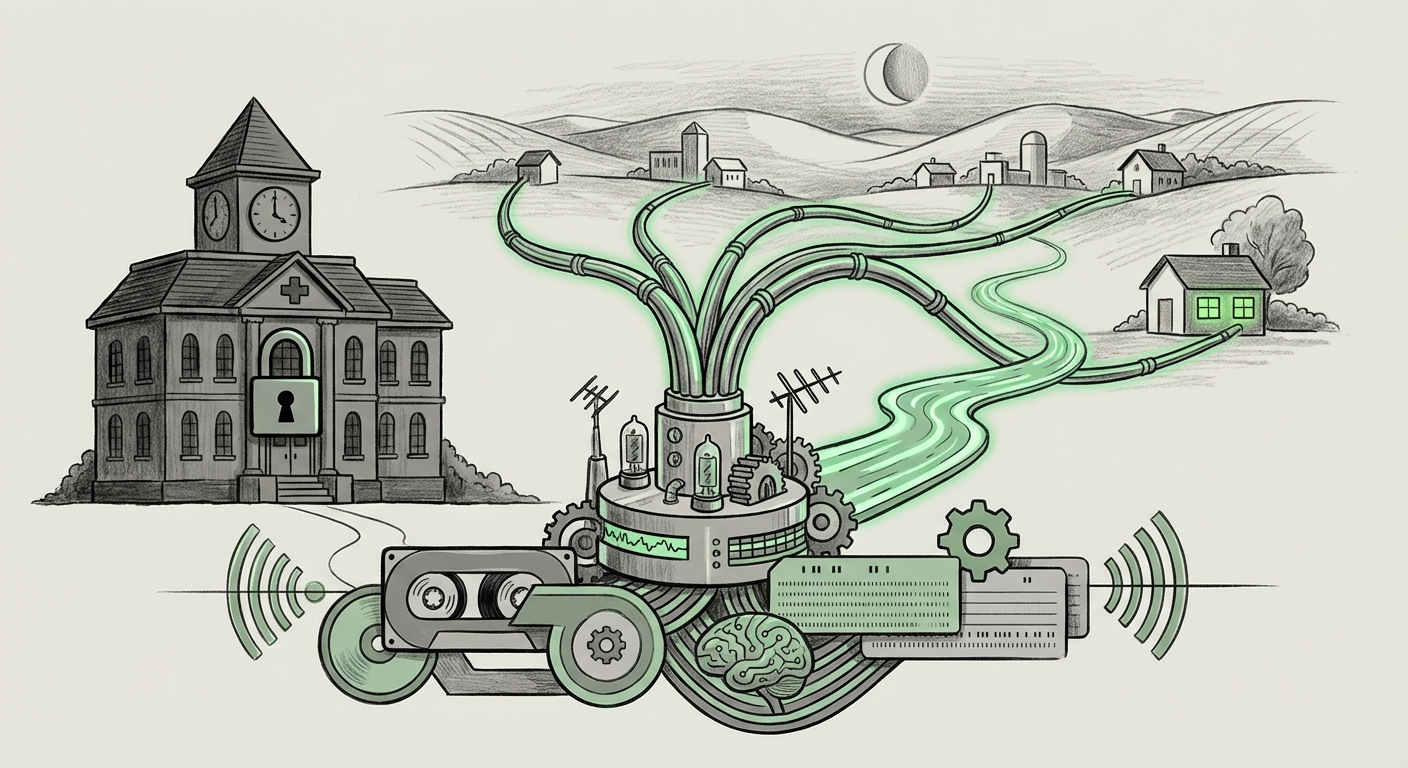
AI to the Rescue: How OpenAI is Bridging the Healthcare Gap in Remote Areas
Imagine a world where access to healthcare isn't limited by location or time of day. Thanks to advancements in Artificial Intelligence (AI), this vision is becoming a reality. OpenAI is playing a significant role in this transformation, particularly in areas known as "hospital deserts"—regions where access to medical facilities is scarce. Let’s dive into how OpenAI's technology is making a difference and what this means for the future.
The Challenge: Healthcare Deserts and After-Hours Needs
For many people, getting medical advice or information can be challenging. This is especially true for those living in hospital deserts, which are often rural or underserved areas with limited healthcare resources. Even if medical facilities exist, they may not be open 24/7. This leaves individuals with urgent health concerns with nowhere to turn, particularly during evenings, weekends, and holidays.
According to recent data, a large proportion of health-related questions arise outside of typical business hours. The-Decoder.com reported on April 6, 2026, that seven in ten health queries originate after hours. This highlights a critical need for accessible, round-the-clock healthcare support.
OpenAI's Solution: AI-Powered Health Information
OpenAI has stepped in to address this need by providing AI-driven solutions that offer health information and guidance. One key finding is that their systems handle approximately 600,000 health queries every week from people living in hospital deserts. This demonstrates the immense demand for and the potential of AI in bridging healthcare gaps.
But how does this work? OpenAI's AI models are trained on vast amounts of medical data, enabling them to understand and respond to a wide range of health-related questions. Users can ask about symptoms, possible conditions, treatment options, and general wellness advice. The AI provides information based on established medical knowledge, offering a valuable resource for those who might otherwise have no immediate access to healthcare professionals.
What This Means for the Future of AI in Healthcare
The impact of OpenAI's work extends far beyond simply answering questions. It signals a significant shift in how healthcare can be delivered and accessed. Here are some key implications for the future of AI in healthcare:
- Increased Accessibility: AI can democratize healthcare by providing information and support to anyone with an internet connection, regardless of their location or socioeconomic status.
- 24/7 Availability: AI-powered systems can operate around the clock, ensuring that people can get answers to their health questions whenever they need them.
- Reduced Burden on Healthcare Professionals: By handling common inquiries and providing basic information, AI can free up doctors and nurses to focus on more complex cases.
- Personalized Healthcare: As AI models become more sophisticated, they can offer personalized health recommendations based on an individual's medical history, lifestyle, and preferences.
- Early Detection and Prevention: AI can analyze data to identify potential health risks and provide early warnings, enabling people to take proactive steps to prevent illness.
Practical Implications for Businesses and Society
The rise of AI in healthcare has profound implications for businesses and society as a whole:
For Businesses:
- New Market Opportunities: Companies can develop and market AI-powered health tools and services, such as symptom checkers, telehealth platforms, and remote monitoring devices.
- Improved Employee Health: Employers can offer AI-based health resources to their employees, promoting wellness and reducing healthcare costs.
- Enhanced Research and Development: AI can accelerate medical research by analyzing large datasets and identifying potential drug targets or treatment strategies.
For Society:
- Better Health Outcomes: Increased access to healthcare information and support can lead to earlier diagnosis, better treatment adherence, and improved overall health outcomes.
- Reduced Healthcare Costs: AI can help reduce healthcare costs by preventing unnecessary hospital visits, improving efficiency, and optimizing resource allocation.
- Empowered Individuals: AI can empower individuals to take control of their health by providing them with the information and tools they need to make informed decisions.
- Addressing Health Inequities: AI can help bridge the gap in healthcare access between urban and rural areas, as well as between different socioeconomic groups.
Actionable Insights
So, what can you do to take advantage of the AI revolution in healthcare? Here are some actionable insights:
- Stay Informed: Keep up-to-date with the latest developments in AI and healthcare by reading industry publications, attending conferences, and following thought leaders in the field.
- Explore AI-Powered Health Tools: Try out AI-based symptom checkers, telehealth platforms, and other health tools to see how they can benefit you and your family.
- Invest in AI Healthcare Solutions: If you're a business owner or investor, consider investing in companies that are developing innovative AI healthcare solutions.
- Advocate for AI in Healthcare: Support policies and initiatives that promote the responsible development and deployment of AI in healthcare.
- Promote Digital Literacy: Encourage digital literacy and access to technology, especially in underserved communities, to ensure that everyone can benefit from AI-powered healthcare.
The Future is Now
OpenAI's impact on healthcare is a testament to the transformative power of AI. By providing accessible, 24/7 health information, AI is helping to bridge the healthcare gap in remote areas and improve health outcomes for millions of people. As AI technology continues to evolve, we can expect even more innovative solutions that will revolutionize the way healthcare is delivered and accessed.