AI's Shadow: How Nudifying Bots and Deepfakes Enable Abuse on Telegram
Artificial intelligence (AI) is rapidly changing the world, offering amazing new possibilities. But like any powerful tool, AI can be used for harm. A disturbing trend is emerging on platforms like Telegram, where AI is being used to create "nudifying" bots and deepfakes, fueling a monetized ecosystem of abuse. This article explores how these technologies are being misused and what it means for the future of AI and society.
The Rise of AI-Powered Abuse
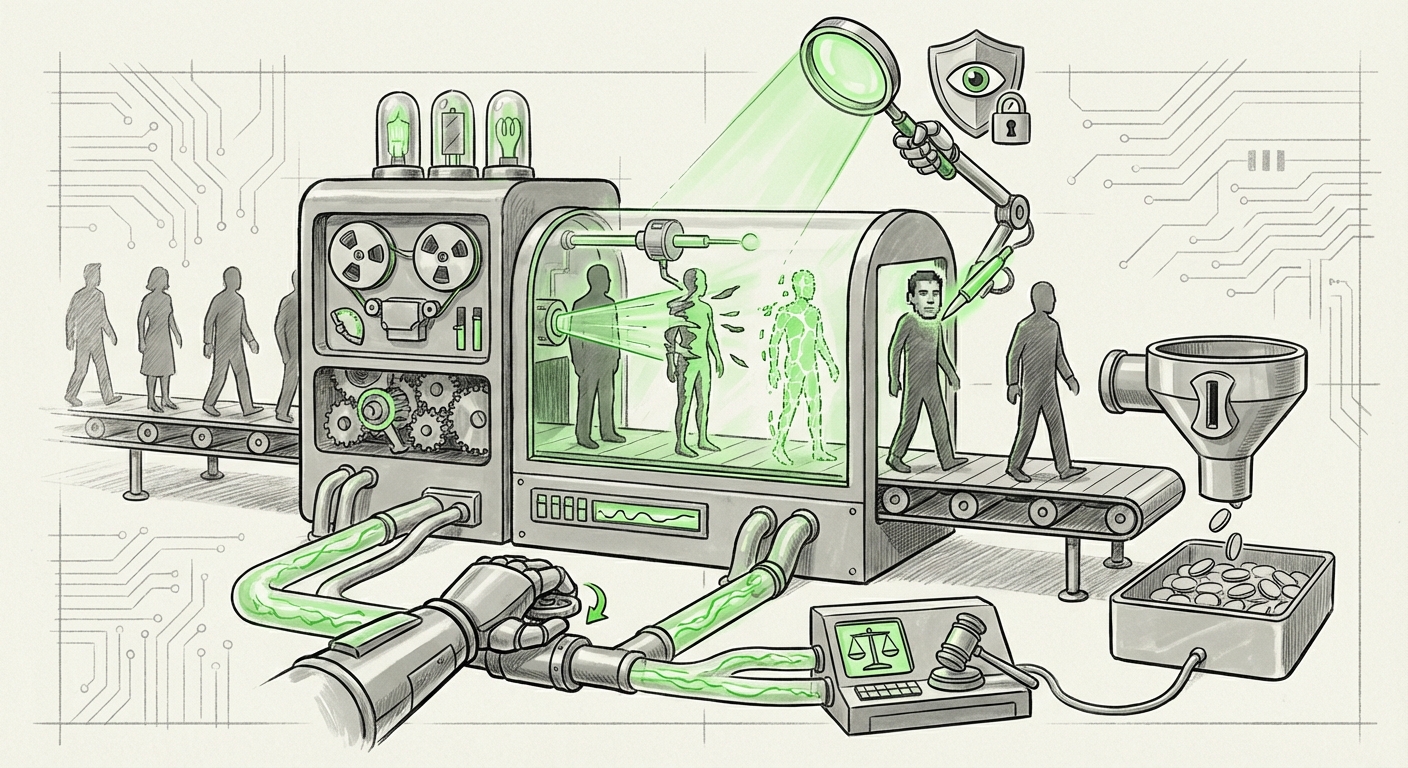
AI's ability to generate realistic images and videos has opened a Pandora's Box. Nudifying bots, powered by AI, can alter images to remove clothing, often without the consent of the person depicted. Deepfakes, another AI application, can create convincing fake videos where someone appears to say or do something they never did. On Telegram, these technologies are being combined to create and spread abusive content, often for profit.
The article "Nudifying bots, deepfakes, and automated archives: how AI powers a monetized abuse ecosystem on Telegram," published on the-decoder.com on 2026-04-08, sheds light on this troubling trend. It details how AI tools are being used to create and distribute non-consensual intimate images (NCII) and deepfake pornography, creating a harmful and exploitative environment.
Understanding Nudifying Bots
Nudifying bots use AI algorithms to analyze images and identify areas where clothing is present. The AI then attempts to "fill in" those areas with what it believes the body underneath would look like. While the results are often imperfect, the technology is rapidly improving, making it increasingly difficult to distinguish between real and altered images. These bots are easily accessible on platforms like Telegram, allowing anyone to create and share these images, regardless of consent.
The Deepfake Threat
Deepfakes take the manipulation of images and videos to another level. By using AI to analyze and learn a person's facial expressions, voice, and mannerisms, deepfake software can create realistic fake videos. These videos can be used to spread misinformation, damage reputations, or create non-consensual pornography. The potential for harm is enormous, as it becomes increasingly difficult to trust what we see and hear online.
Monetization of Abuse
A particularly disturbing aspect of this trend is the monetization of AI-powered abuse. The article on the-decoder.com highlights how individuals and groups are profiting from the creation and distribution of nudified images and deepfakes. This can take various forms, including selling access to bots, charging for custom deepfake videos, or monetizing the spread of abusive content through advertising or subscriptions.
Future Implications for AI
The misuse of AI for creating nudifying bots and deepfakes raises serious questions about the future of this technology. As AI becomes more powerful and accessible, the potential for abuse will only increase. This highlights the urgent need for:
- Stronger Ethical Guidelines: Developers and researchers must prioritize ethical considerations when developing AI technologies. This includes building safeguards to prevent misuse and promoting responsible innovation.
- Improved Detection Methods: We need better ways to detect and identify AI-generated content, especially deepfakes. This requires developing sophisticated algorithms that can analyze images and videos for signs of manipulation.
- Legal and Regulatory Frameworks: Laws and regulations must be updated to address the unique challenges posed by AI-powered abuse. This includes defining clear legal boundaries, establishing accountability for perpetrators, and providing effective remedies for victims.
- Public Awareness and Education: It's crucial to educate the public about the risks of AI-generated content and how to identify potential deepfakes or manipulated images. This can help people become more critical consumers of online information.
Practical Implications for Businesses
The rise of AI-powered abuse has significant implications for businesses, particularly those that rely on online communication and content creation. Companies need to be aware of the risks and take steps to protect themselves and their customers. Here are some actionable insights:
- Implement robust content moderation policies: Develop clear guidelines for acceptable content and use AI-powered tools to detect and remove abusive material.
- Invest in deepfake detection technology: Protect your brand and reputation by proactively identifying and addressing deepfakes that may target your company or employees.
- Provide training to employees: Educate employees about the risks of AI-powered abuse and how to identify and report suspicious content.
- Collaborate with industry partners: Work with other companies and organizations to share best practices and develop effective solutions for combating AI-powered abuse.
- Consider watermarking and provenance tracking: Implement technologies that allow you to trace the origin and modification history of digital content, making it easier to identify manipulated images and videos.
Societal Implications and What We Can Do
The misuse of AI for abuse has far-reaching societal implications. It erodes trust in online information, normalizes harmful behavior, and can have devastating consequences for victims. To address this challenge, we need a multi-faceted approach:
- Promote digital literacy: Equip individuals with the skills and knowledge to critically evaluate online content and identify potential misinformation or manipulation.
- Support victims of AI-powered abuse: Provide resources and support services for individuals who have been targeted by nudifying bots or deepfakes.
- Hold perpetrators accountable: Enforce existing laws and regulations to punish those who create and distribute abusive AI-generated content. Advocate for stronger legal frameworks to address this emerging threat.
- Foster a culture of respect and consent: Promote online behavior that respects individual privacy and autonomy. Challenge the normalization of non-consensual image sharing and deepfake pornography.
Conclusion: Navigating the Ethical Minefield of AI
AI offers incredible potential for good, but its misuse for creating nudifying bots and deepfakes highlights the urgent need for ethical guidelines, improved detection methods, and updated legal frameworks. Businesses and individuals must be proactive in addressing these challenges to protect themselves and society as a whole. The future of AI depends on our ability to harness its power responsibly and mitigate its potential for harm.