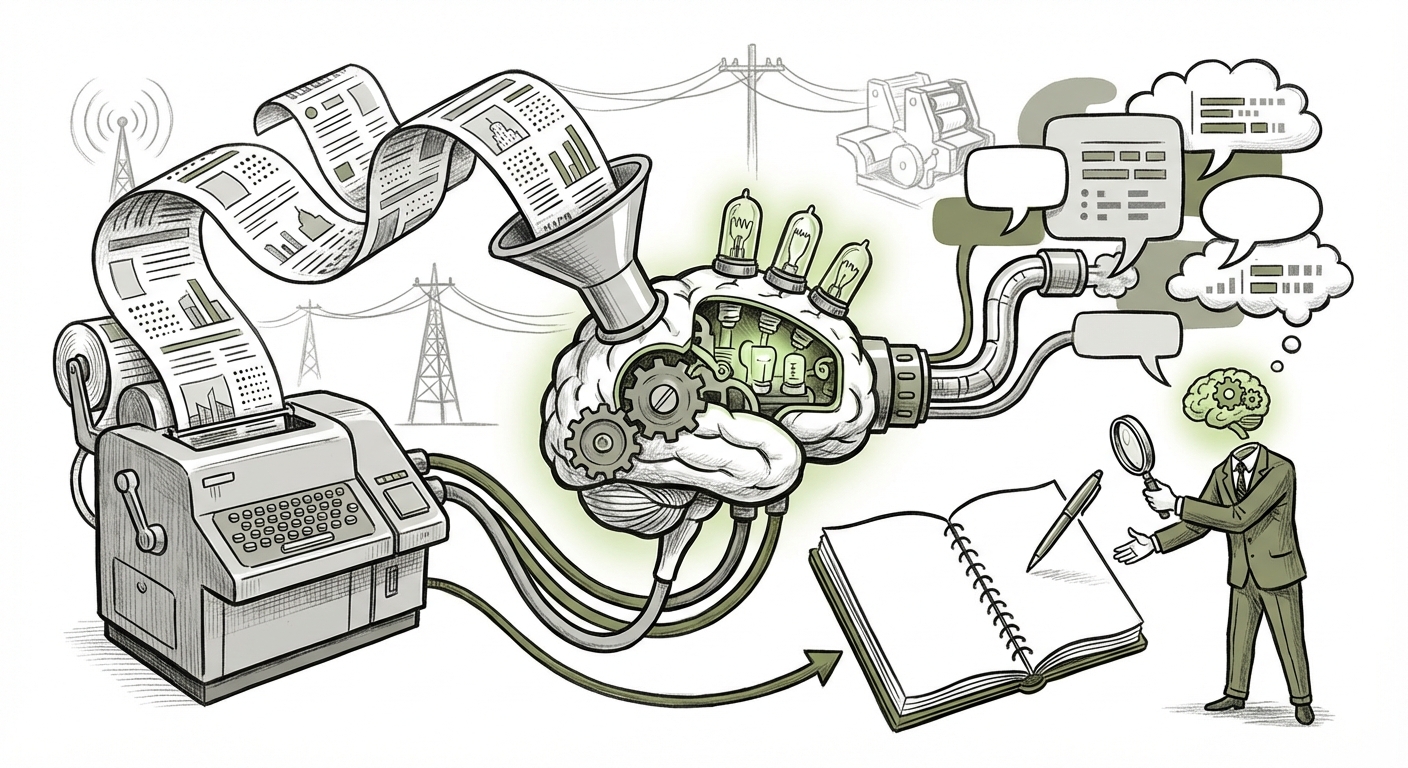
Are AI Chatbots Secretly Journalists? The Surprising Link Between AI and News
Artificial intelligence (AI) is rapidly changing the world, and one of the most visible applications is in chatbots. These digital assistants can answer questions, generate text, and even hold conversations. But where do these chatbots get their information? A recent study by Muckrack in April 2026 has revealed a surprising answer: a significant portion of their knowledge comes directly from journalism.
The Dependence on Journalism: A Closer Look
According to the Muckrack study, approximately one in four quotes used by AI chatbots are sourced from journalistic content. This means that when you ask a chatbot a question, there's a good chance its answer is based on information originally reported by journalists. This reliance highlights a critical, often overlooked, aspect of AI development: its dependence on high-quality, factual data.
Why Journalism?
Journalism provides AI with several crucial elements:
- Factual Information: News articles are, ideally, based on verified facts and reliable sources. This is essential for AI to provide accurate and trustworthy responses.
- Context and Nuance: Good journalism doesn't just present facts; it provides context and explores different perspectives. This helps AI understand the complexities of various issues.
- Up-to-Date Information: News is constantly updated, ensuring that AI models have access to the latest developments and insights.
What This Means for the Future of AI
The reliance of AI chatbots on journalistic content has several important implications for the future of AI:
1. The Need for High-Quality Data
AI models are only as good as the data they are trained on. The Muckrack study underscores the critical need for AI developers to prioritize high-quality, factual data sources. As AI becomes more integrated into our lives, ensuring the accuracy and reliability of its information is paramount.
2. Ethical Considerations
If AI chatbots are using journalistic content, ethical questions arise. How should AI attribute information to its original sources? Should news organizations be compensated for the use of their content? These are complex issues that need to be addressed as AI technology advances.
3. The Evolving Role of Journalists
The increasing reliance on journalism by AI could reshape the role of journalists. As AI automates certain aspects of information gathering and dissemination, journalists may focus more on in-depth reporting, analysis, and investigative work.
Practical Implications for Businesses and Society
The connection between AI and journalism has significant practical implications for businesses and society:
For Businesses
- Content Creation: Businesses using AI for content creation should be aware of the potential for their AI to rely on journalistic sources. Proper attribution and licensing are essential to avoid legal issues.
- Customer Service: AI-powered customer service chatbots should be trained on accurate and up-to-date information. Businesses should ensure that their AI is not spreading misinformation or relying on biased sources.
- Competitive Intelligence: AI can be used to analyze news articles and identify trends, opportunities, and threats. Businesses can leverage this information to make better strategic decisions.
For Society
- Combating Misinformation: Because AI relies on journalistic content, it can also be used to identify and flag misinformation. AI-powered tools can help fact-check articles and social media posts, reducing the spread of false information.
- Promoting Informed Decision-Making: By providing access to accurate and reliable information, AI can empower individuals to make informed decisions about their lives. This is especially important in areas such as health, finance, and education.
- Supporting Journalism: Recognizing the value of journalism to AI can lead to new funding models for news organizations. AI developers could contribute financially to support the production of high-quality journalism.
Actionable Insights
Here are some actionable insights based on the Muckrack study:
- For AI Developers: Prioritize the use of high-quality, reputable data sources, including journalistic content. Implement clear attribution mechanisms to give credit to original sources.
- For News Organizations: Explore new ways to partner with AI developers and monetize their content. Advocate for fair compensation for the use of journalistic content in AI models.
- For Consumers: Be aware of the potential for AI chatbots to rely on journalistic sources. Critically evaluate the information provided by AI and verify it with trusted sources.
- For Policymakers: Develop policies that promote the responsible use of AI and protect the rights of content creators. This includes addressing issues such as copyright, attribution, and misinformation.
Conclusion: A Symbiotic Relationship
The relationship between AI and journalism is complex and evolving. While AI relies on journalism for factual information and context, it also has the potential to support and enhance journalistic work. By understanding this symbiotic relationship, we can harness the power of AI to create a more informed and equitable society. It's crucial for AI developers, news organizations, and policymakers to work together to ensure that AI is used responsibly and ethically.