Unlocking the Power of Agentic AI: A Deep Dive into the AI Development Lifecycle
Artificial intelligence is constantly changing, and in 2026, a big shift is happening: the rise of agentic AI. This article will explore what agentic AI is, how it's changing the way AI is developed, and what this means for businesses and everyone else.
What is Agentic AI?
Imagine AI that can do more than just follow instructions. Agentic AI is like giving AI a brain of its own. It can:
- Set its own goals: Instead of just doing what it's told, it can figure out what needs to be done.
- Make plans: It can create step-by-step plans to achieve its goals.
- Take action: It can carry out those plans, making decisions along the way.
- Learn and adapt: It can learn from its mistakes and get better over time.
Think of it like a super-smart assistant that can handle complex projects on its own. This is a big step up from traditional AI, which needs constant supervision and programming.
The Agentic AI Development Lifecycle
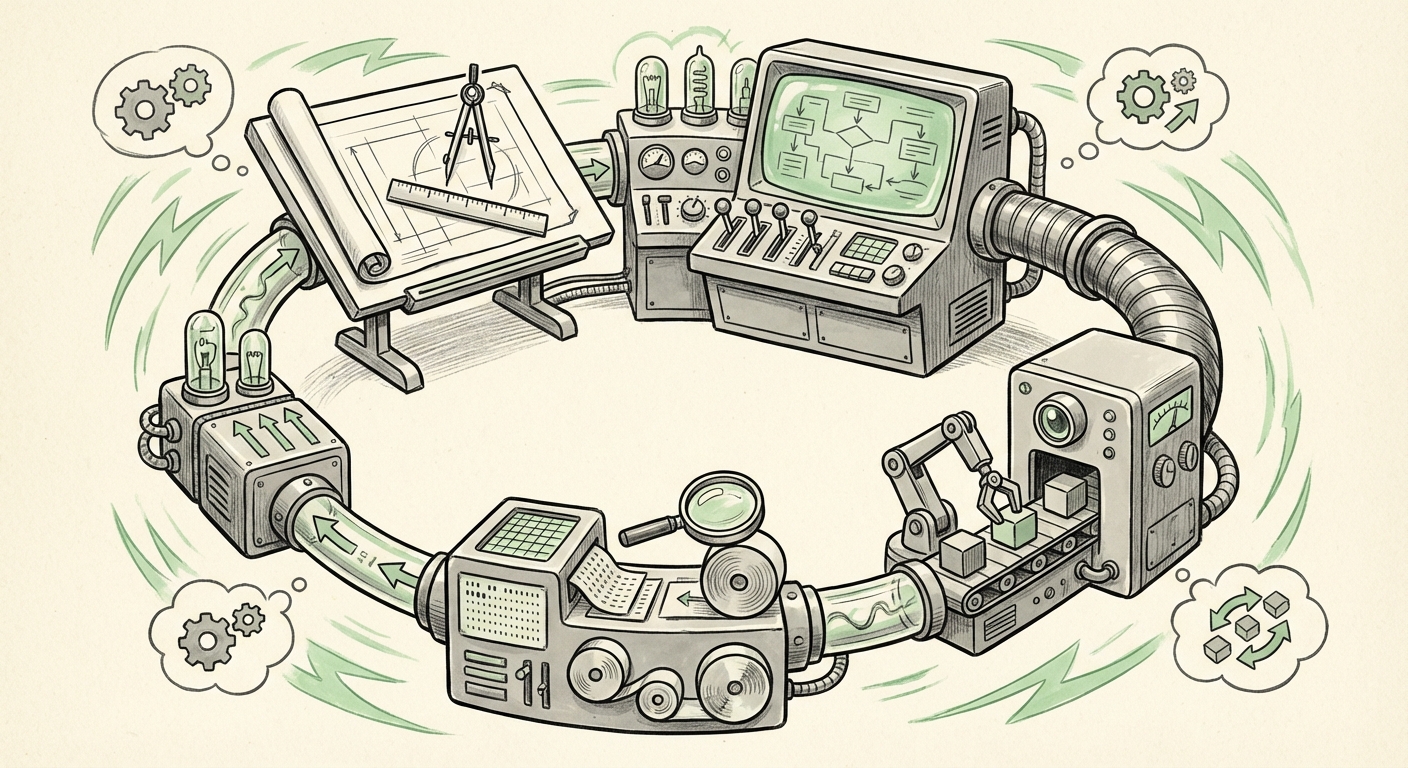
The way we build AI is changing thanks to agentic AI. The traditional AI development lifecycle usually involves steps like data collection, model training, and deployment. But with agentic AI, things are different. The "agentic AI development lifecycle" involves empowering AI agents to take on more responsibility in each of these stages.
Here’s how the development process looks:
- Defining the Objective: Instead of developers spelling out every detail, they define broader objectives. The AI agent then figures out the specific steps needed.
- Planning and Strategy: The AI agent analyzes the environment, identifies resources, and creates a plan to achieve the objective.
- Execution and Monitoring: The AI agent executes the plan, while constantly monitoring progress and adapting to changes.
- Learning and Refinement: The AI agent learns from each iteration, refining its strategies and improving its performance over time.
Why is Agentic AI Important?
Agentic AI offers several key benefits:
- Increased Efficiency: AI agents can automate many tasks, freeing up human employees to focus on more creative and strategic work.
- Faster Innovation: Agentic AI can quickly test new ideas and find solutions to complex problems, speeding up the innovation process.
- Better Decision-Making: By analyzing vast amounts of data and learning from experience, agentic AI can make more informed decisions.
- Personalization: Agentic AI can tailor experiences and services to individual needs, leading to greater customer satisfaction.
Practical Implications for Businesses
Agentic AI is already having a big impact on businesses across many different industries. Here are a few examples:
- Healthcare: AI agents can help doctors diagnose diseases, personalize treatment plans, and monitor patients' health remotely.
- Finance: They can automate trading, detect fraud, and provide personalized financial advice.
- Manufacturing: They can optimize production processes, predict equipment failures, and improve quality control.
- Customer Service: AI-powered virtual assistants can handle customer inquiries, resolve issues, and provide 24/7 support.
Challenges and Considerations
While agentic AI offers many benefits, there are also some challenges to consider:
- Ethical Concerns: We need to make sure that AI agents are used responsibly and don't discriminate or cause harm.
- Job Displacement: As AI agents automate more tasks, some jobs may be lost. We need to prepare for this by providing training and support for workers.
- Security Risks: We need to protect AI systems from hacking and misuse.
- Complexity: Developing and managing agentic AI systems can be complex and require specialized expertise.
Actionable Insights for Businesses
Here are some steps businesses can take to prepare for the rise of agentic AI:
- Invest in AI Training: Train your employees to work with AI agents and develop the skills needed to manage these systems.
- Identify Use Cases: Look for areas in your business where agentic AI can automate tasks, improve efficiency, and drive innovation.
- Develop an AI Strategy: Create a plan for how you will use AI to achieve your business goals.
- Address Ethical Concerns: Develop guidelines for the responsible use of AI.
- Start Small: Begin with pilot projects to test the waters and learn from experience.
The Future of AI
Agentic AI is just the beginning. As AI technology continues to advance, we can expect to see even more powerful and autonomous AI systems. These systems will be able to solve complex problems, make creative decisions, and even develop new technologies on their own. This could lead to a future where AI plays a central role in all aspects of our lives.
The development lifecycle will continue to evolve. AI agents will contribute not just to execution, but also to defining the problem and determining if AI is the right solution. This includes agents that can analyze complex business problems and propose solutions, even if those solutions don't involve AI.
Implications for Society
The rise of agentic AI will have a profound impact on society. It could lead to:
- Increased Productivity: AI agents could automate many of the tasks we do today, freeing us up to pursue more creative and fulfilling activities.
- New Discoveries: AI could help us solve some of the world's most pressing problems, such as climate change, disease, and poverty.
- A More Personalized World: AI could tailor experiences and services to our individual needs, making our lives easier and more enjoyable.
However, it's important to address the ethical and social implications of agentic AI to ensure that it benefits everyone.