Anthropic's Infrastructure SOS: How Microsoft's Azure AI Expert Plans to Revolutionize AI
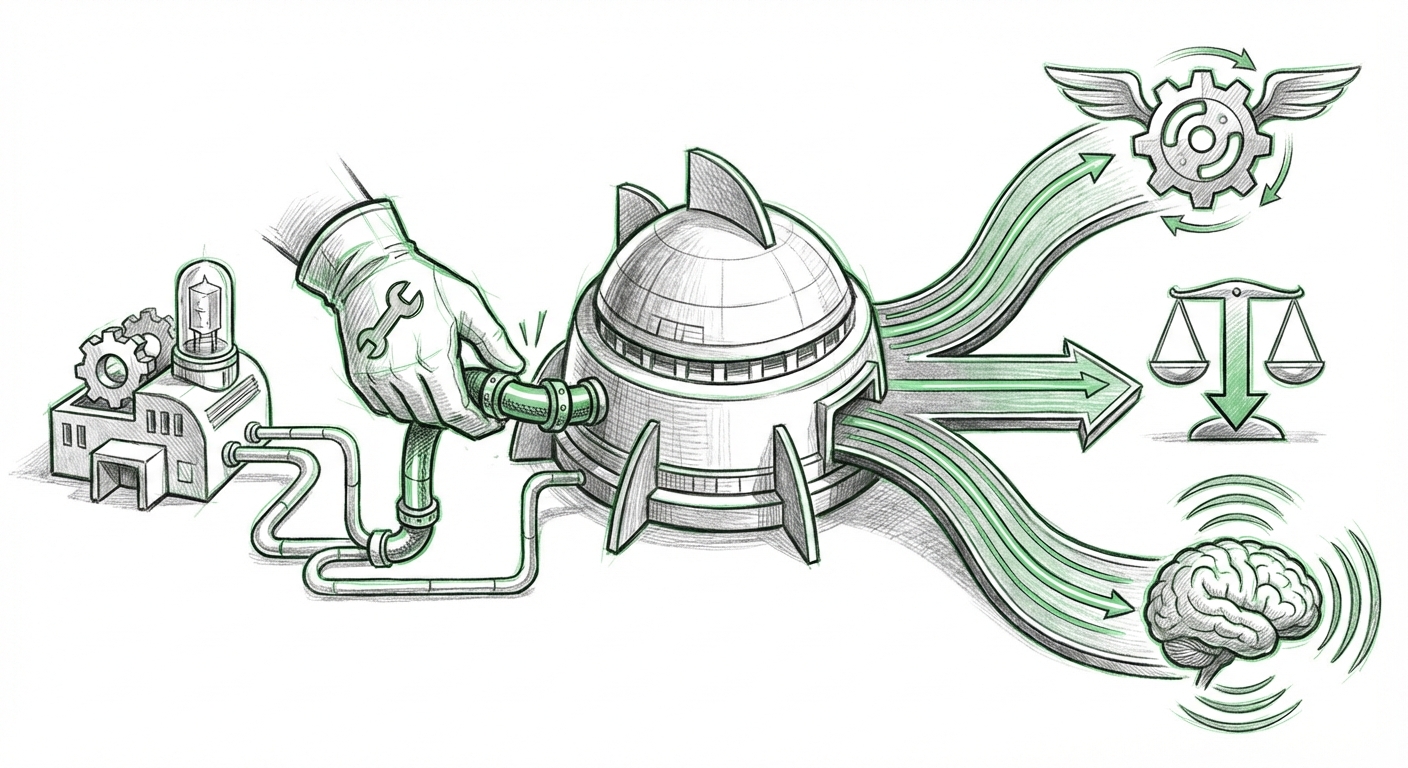
In the fast-moving world of artificial intelligence, even the most innovative companies face challenges. Anthropic, a leading AI research company, is tackling a critical issue: infrastructure. To solve this, they've brought in a new leader from Microsoft's Azure AI division. This isn't just a simple hire; it's a strategic move that could change how AI is developed and used in the future. Let's break down what this means for everyone.
The Infrastructure Bottleneck in AI
Think of AI infrastructure as the roads and bridges that allow AI models to be built, trained, and used. Without strong infrastructure, even the smartest AI can't reach its full potential. AI models, especially large language models like the ones Anthropic creates, need massive amounts of computing power, data storage, and efficient ways to manage all of it. If the infrastructure isn't up to the task, it can slow down development, increase costs, and limit what AI can do.
Anthropic's decision to bring in an expert from Microsoft Azure AI shows they're serious about fixing these problems. Microsoft Azure is one of the biggest cloud computing platforms in the world, and its AI division has experience dealing with the infrastructure challenges of large-scale AI projects. This hire is a clear signal that Anthropic is investing in building a more robust and scalable foundation for its AI research and development.
Why This Matters for the Future of AI
This move has big implications for the future of AI. Here's why:
- Faster Innovation: Better infrastructure means AI researchers can experiment and iterate more quickly. They can train larger models, test new ideas, and deploy AI applications faster than before. This could lead to breakthroughs in various fields, from healthcare to finance to education.
- Lower Costs: Efficient infrastructure can significantly reduce the costs of AI development. By optimizing computing resources and streamlining workflows, companies can make AI more accessible to a wider range of businesses and organizations.
- More Powerful AI: With improved infrastructure, AI models can become more powerful and capable. They can process more data, learn more complex patterns, and perform more sophisticated tasks. This could unlock new possibilities for AI in areas like natural language processing, computer vision, and robotics.
- Democratization of AI: Stronger infrastructure can help democratize AI, making it easier for smaller companies and individuals to participate in the AI revolution. Cloud-based platforms and accessible tools can level the playing field, allowing more people to build and use AI applications.
Practical Implications for Businesses
What does this all mean for businesses? Here are some key takeaways:
- Embrace Cloud Computing: Cloud platforms like Microsoft Azure, Amazon Web Services, and Google Cloud offer the infrastructure needed to support AI development. Businesses should consider using these platforms to access the resources and tools they need to build and deploy AI applications.
- Invest in AI Infrastructure: Companies should invest in building or improving their AI infrastructure, whether it's on-premise or in the cloud. This includes investing in powerful hardware, efficient software, and skilled personnel to manage and maintain the infrastructure.
- Optimize AI Workflows: Businesses should focus on optimizing their AI workflows to make the most of their infrastructure. This includes automating tasks, streamlining processes, and using tools that help researchers and developers work more efficiently.
- Partner with AI Experts: Consider partnering with AI experts or consulting firms that can provide guidance and support in building and managing AI infrastructure. These experts can help businesses choose the right technologies, optimize their workflows, and ensure that their infrastructure is aligned with their business goals.
Societal Impact
The advancements in AI infrastructure will also have a profound impact on society. As AI becomes more powerful and accessible, it will transform many aspects of our lives.
- Healthcare: AI can help doctors diagnose diseases earlier, develop new treatments, and personalize patient care. Improved infrastructure will accelerate the development of these AI-powered healthcare solutions.
- Education: AI can personalize learning experiences, provide students with individualized feedback, and automate administrative tasks. Better infrastructure will make these AI-powered educational tools more accessible and effective.
- Transportation: AI is driving the development of self-driving cars and intelligent transportation systems. Stronger infrastructure will enable these systems to process more data and make better decisions, leading to safer and more efficient transportation.
- Sustainability: AI can help us address climate change by optimizing energy consumption, developing new renewable energy sources, and monitoring environmental conditions. Improved infrastructure will accelerate the development of these AI-powered sustainability solutions.
Actionable Insights
Here are some actionable insights for businesses and individuals who want to stay ahead of the curve in the AI revolution:
- Stay Informed: Keep up-to-date on the latest developments in AI infrastructure and technology. Read industry publications, attend conferences, and follow thought leaders in the field.
- Experiment with AI Tools: Try out different AI tools and platforms to see what works best for your needs. Experiment with cloud-based AI services, open-source AI libraries, and pre-trained AI models.
- Learn AI Skills: Invest in learning AI skills, whether it's through online courses, workshops, or formal education programs. Develop a basic understanding of machine learning, deep learning, and other AI techniques.
- Network with AI Professionals: Connect with other AI professionals to share ideas, learn from their experiences, and build relationships. Attend AI meetups, join online communities, and participate in industry events.