The Future is Intelligent: Why Knowledge Engineering Matters Now
Imagine a world where computers don't just process data, but truly understand it. They can reason, solve complex problems, and even learn like humans do. This isn't science fiction; it's the promise of Knowledge Engineering, a field that's rapidly transforming the landscape of Artificial Intelligence (AI). In this article, we'll explore what Knowledge Engineering is all about, why it's so important, and how it will shape the future of AI and our world.
What is Knowledge Engineering?
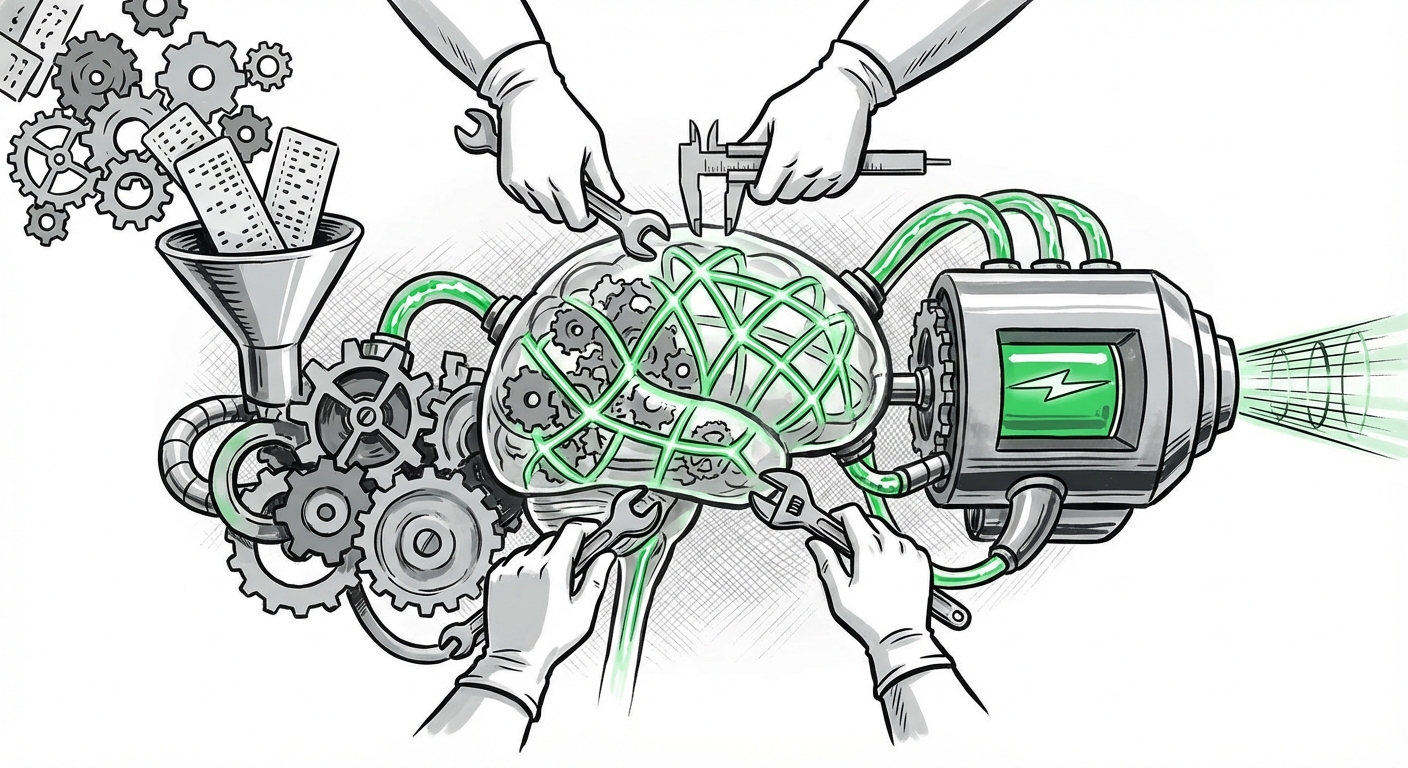
At its core, Knowledge Engineering is about building intelligent systems by explicitly representing knowledge. Think of it as teaching a computer not just *what* to do, but *why* it should do it. It involves capturing human expertise, organizing it in a structured way, and then using that knowledge to build AI systems that can perform complex tasks.
Instead of relying solely on algorithms that learn from data (like in Machine Learning), Knowledge Engineering focuses on encoding knowledge directly into the system. This knowledge can take many forms, such as:
- Facts: Basic pieces of information about the world.
- Rules: Statements that describe relationships between facts and allow the system to make inferences.
- Concepts: Abstract ideas and categories that help organize knowledge.
By combining these elements, Knowledge Engineering allows us to create AI systems that are more transparent, explainable, and reliable than traditional "black box" AI models.
Why is Knowledge Engineering Important for the Future of AI?
While Machine Learning has made incredible strides, it also has limitations. One major challenge is that Machine Learning models often require massive amounts of data to train, and they can be difficult to understand or trust. Knowledge Engineering offers a complementary approach that addresses these challenges in several key ways:
1. Explainable AI (XAI)
In many critical applications, such as healthcare and finance, it's not enough for an AI system to simply provide an answer. We need to understand *why* it arrived at that conclusion. Knowledge Engineering makes this possible by providing a clear and auditable reasoning process. Because the knowledge is explicitly represented, we can trace the steps the system took to reach its decision, making it easier to identify errors and build trust.
2. Reasoning with Limited Data
Unlike Machine Learning, which often requires vast datasets, Knowledge Engineering can be effective even when data is scarce. By encoding expert knowledge directly into the system, we can create AI solutions for domains where data is limited or unreliable. This is particularly important in areas like medical diagnosis or scientific discovery, where gathering large datasets can be difficult or impossible.
3. Combining Human and Machine Intelligence
The most powerful AI systems will likely be those that combine the strengths of both human and machine intelligence. Knowledge Engineering provides a framework for integrating human expertise into AI systems, allowing us to leverage the best of both worlds. By capturing the knowledge and reasoning abilities of human experts, we can create AI systems that are more accurate, reliable, and adaptable.
Practical Implications for Businesses
Knowledge Engineering isn't just a theoretical concept; it has numerous practical applications for businesses across various industries. Here are a few examples:
1. Enhanced Decision Making
Imagine a business that needs to make complex decisions quickly and accurately. A Knowledge Engineering system can help by providing access to relevant knowledge, automating reasoning processes, and generating clear and concise recommendations. This can lead to better outcomes, reduced costs, and increased efficiency.
2. Improved Customer Service
AI-powered chatbots and virtual assistants are becoming increasingly common in customer service. By using Knowledge Engineering, businesses can create chatbots that are more knowledgeable, helpful, and human-like. These chatbots can answer complex questions, resolve issues quickly, and provide personalized support, leading to higher customer satisfaction.
3. Streamlined Operations
Many businesses rely on complex processes and workflows. Knowledge Engineering can help automate these processes, reduce errors, and improve efficiency. For example, a manufacturing company could use a Knowledge Engineering system to optimize its production schedule, identify potential bottlenecks, and prevent equipment failures.
Societal Impacts
The rise of Knowledge Engineering has profound implications for society as a whole. Here are some of the key areas where it is likely to have a major impact:
1. Healthcare
Knowledge Engineering can revolutionize healthcare by enabling more accurate diagnoses, personalized treatments, and improved patient care. AI systems powered by Knowledge Engineering can assist doctors in making complex decisions, identify potential drug interactions, and monitor patients' health in real-time.
2. Education
Knowledge Engineering can transform education by creating personalized learning experiences that adapt to each student's individual needs and learning style. AI tutors can provide customized feedback, identify areas where students are struggling, and offer targeted support.
3. Governance
Knowledge Engineering can improve governance by making government more transparent, efficient, and accountable. AI systems can help policymakers analyze complex data, identify potential risks and opportunities, and make more informed decisions.
Actionable Insights
So, what can you do to prepare for the rise of Knowledge Engineering? Here are a few actionable insights:
- Educate Yourself: Learn more about Knowledge Engineering and its potential applications. There are many online resources, courses, and webinars available.
- Identify Opportunities: Look for areas in your business or organization where Knowledge Engineering could be used to solve problems or improve performance.
- Invest in Talent: Hire or train employees with the skills and knowledge needed to build and deploy Knowledge Engineering systems.
- Start Small: Begin with a pilot project to test the waters and gain experience.
Conclusion: Embracing the Knowledge Revolution
Knowledge Engineering is poised to revolutionize the field of AI, offering a powerful new approach to building intelligent systems that are transparent, explainable, and reliable. By embracing this technology, businesses and organizations can unlock new levels of efficiency, productivity, and innovation. As we move forward, it's essential to invest in the skills, knowledge, and infrastructure needed to harness the full potential of Knowledge Engineering and create a future where AI truly augments human capabilities.