Meta's AI Olympics: How Token Consumption is Shaping the Future of Artificial Intelligence
Imagine a world where using AI isn't just about getting things done, but also about friendly competition. That's precisely what's happening inside Meta. According to a report on the-decoder.com, Meta employees are now participating in an internal AI leaderboard, battling it out for the highest "token consumption." This might sound like tech jargon, but it has profound implications for how AI will be developed, used, and integrated into businesses and society.
What is Token Consumption and Why Does It Matter?
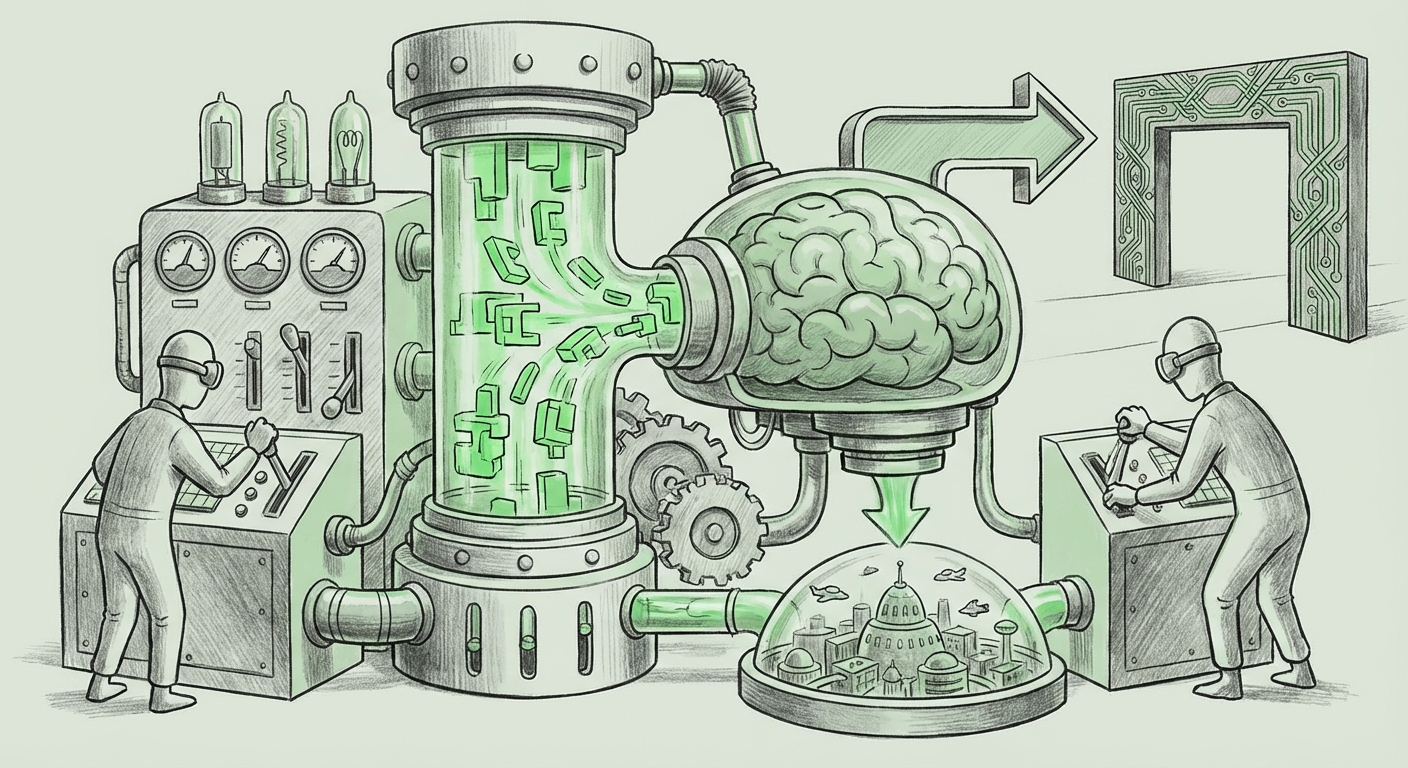
Think of "tokens" as the fuel that powers AI models. When you ask an AI a question, generate an image, or translate a document, the AI uses tokens to process your request and provide an answer. The more complex the task, the more tokens are needed. So, when Meta employees compete for token consumption, they are essentially pushing the limits of how much AI they can use and how creatively they can apply it within the company.
Why is Meta encouraging this? Because by gamifying AI usage, they're fostering a culture of experimentation and innovation. When employees are incentivized to use AI more, they're more likely to discover new and valuable applications for it. This can lead to:
- Increased efficiency: AI can automate repetitive tasks, freeing up employees to focus on more strategic work.
- Improved decision-making: AI can analyze vast amounts of data to identify trends and insights that humans might miss.
- New product development: AI can be used to generate new ideas, prototype products, and personalize customer experiences.
The Future of AI: A Playground for Innovation
Meta's internal AI leaderboard offers a glimpse into the future of AI development. Here’s why:
1. Democratization of AI:
By making AI tools readily available and encouraging employees to experiment with them, Meta is democratizing AI. It's no longer confined to a small team of AI specialists; instead, it's becoming a tool that everyone can use and contribute to improving.
2. AI-Driven Innovation:
The competition encourages employees to find novel uses for AI. This grassroots innovation can lead to breakthroughs that might not have been possible with a top-down approach.
3. Real-World Testing:
Internal AI leaderboards provide a safe and controlled environment for testing AI applications. This allows companies to identify and address potential problems before deploying AI solutions to customers.
Practical Implications for Businesses
So, what can other businesses learn from Meta's experiment? Here are a few actionable insights:
1. Encourage AI Adoption:
Don't just invest in AI tools; actively encourage your employees to use them. Consider implementing internal programs, like hackathons or challenges, to incentivize AI adoption.
2. Provide Training and Support:
Make sure your employees have the skills and knowledge they need to use AI effectively. Offer training courses, workshops, and mentorship programs to help them get up to speed.
3. Create a Culture of Experimentation:
Encourage employees to experiment with AI and to share their findings with others. Create a safe space where people can try new things without fear of failure.
4. Measure and Reward Success:
Track AI usage and identify employees who are using AI in innovative ways. Reward them for their contributions, either through recognition, bonuses, or promotions.
Societal Implications: The AI-Powered Future
The trend of democratizing AI has broader societal implications. As AI becomes more accessible, it has the potential to:
- Transform industries: AI can automate tasks, improve efficiency, and create new products and services across various sectors.
- Solve global challenges: AI can be used to address complex problems such as climate change, poverty, and disease.
- Empower individuals: AI can provide personalized learning experiences, customized healthcare, and assistive technologies for people with disabilities.
However, it's important to be aware of the potential risks associated with widespread AI adoption. These include:
- Job displacement: AI-powered automation could lead to job losses in some industries.
- Bias and discrimination: AI algorithms can perpetuate existing biases if they are trained on biased data.
- Ethical concerns: AI raises ethical questions about privacy, security, and accountability.
To mitigate these risks, it's crucial to develop AI responsibly and ethically. This requires:
- Investing in education and training: To help workers adapt to the changing job market.
- Developing fair and unbiased AI algorithms: To prevent discrimination.
- Establishing clear ethical guidelines: To ensure that AI is used in a way that benefits society as a whole.
Conclusion: Embracing the AI Revolution
Meta's internal AI leaderboard is more than just a fun competition; it's a symbol of a larger trend: the democratization of AI. As AI becomes more accessible and easier to use, it will transform businesses and society in profound ways. By embracing AI and using it responsibly, we can unlock its full potential to improve our lives and solve some of the world's most pressing challenges.