Meta's AI Game Changer: Open-Sourcing Models to Revolutionize the Future
The world of Artificial Intelligence (AI) is constantly changing, and Meta's latest move is a big one. According to a report from the-decoder.com on April 7, 2026, Meta plans to open-source parts of its new AI models. This isn't just a small update; it's a fundamental shift in how AI development could work, impacting businesses, society, and the very future of AI technology.
What Does "Open-Source" AI Mean?
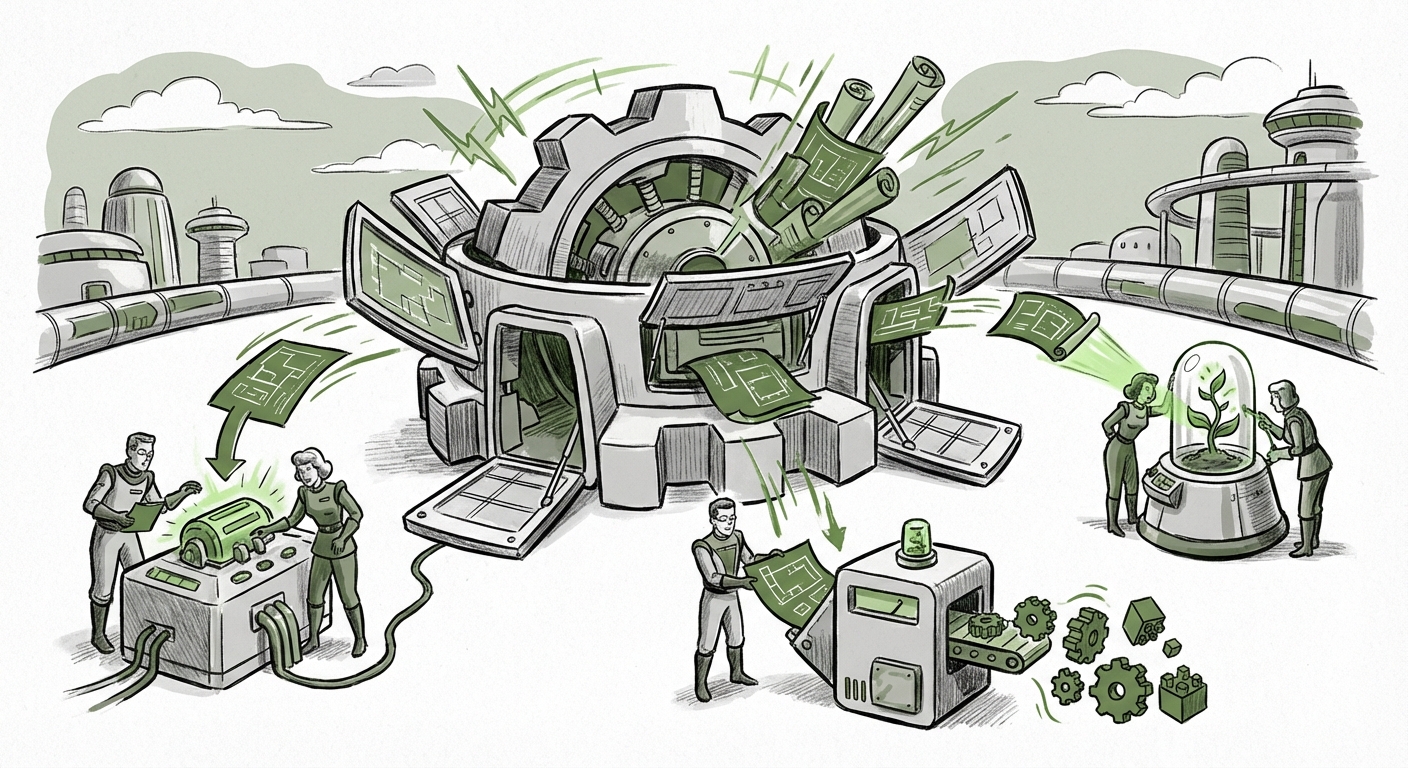
When something is open-source, it means the code behind it is available for anyone to see, use, and change. Think of it like sharing a recipe for your favorite dish. Instead of keeping it secret, you give it to everyone, allowing them to try it, improve it, and even create entirely new dishes based on it. In the context of AI, this means making the blueprints of AI models accessible to the public.
Why is Meta Doing This?
There are several reasons why Meta might choose to open-source parts of its AI models:
- Faster Innovation: By allowing more people to work on and improve the models, progress can happen much faster. Imagine thousands of developers contributing ideas and fixes instead of just a company's internal team.
- Wider Adoption: Open-source models are often more widely adopted because they are free and customizable. This could help Meta's technology become a standard in the industry.
- Community Building: Open-source projects thrive on community. Meta can build a strong community of developers, researchers, and users around its AI models, leading to valuable feedback and contributions.
- Transparency and Trust: Open-sourcing can increase trust in AI technology. When people can see how a model works, they are more likely to trust its outputs and less likely to worry about hidden biases or malicious uses.
The Potential Impact on Businesses
Meta's decision could significantly impact businesses across various sectors:
- Reduced Development Costs: Businesses can leverage these open-source models as a starting point, reducing the cost and time required to develop their own AI solutions.
- Customized Solutions: Open-source models can be tailored to specific business needs. Companies can modify the code to fit their unique requirements, creating more effective and efficient AI applications.
- Increased Innovation: Access to advanced AI models can spur innovation within businesses. Employees can experiment with new ideas and develop cutting-edge solutions.
- Competitive Advantage: Businesses that effectively utilize open-source AI models can gain a competitive advantage by offering better products, services, and customer experiences.
How This Affects Society
The implications of open-sourcing AI extend far beyond the business world. It has the potential to impact society in profound ways:
- Democratization of AI: Open-source AI makes the technology more accessible to individuals and organizations that might not otherwise be able to afford it. This can empower people to solve problems and create new opportunities in their communities.
- Accelerated Research: Researchers can use open-source models as a foundation for their work, accelerating the pace of scientific discovery in fields like medicine, climate change, and education.
- Improved Transparency and Accountability: Open-source AI can help to ensure that AI systems are transparent and accountable. This can reduce the risk of bias, discrimination, and other harmful consequences.
- Empowering Education: Students and educators can use these resources to learn about and experiment with AI, preparing the next generation for a future increasingly shaped by this technology.
The Future of AI: A Collaborative Approach
Meta's move signals a shift towards a more collaborative approach to AI development. Instead of keeping AI models closely guarded secrets, companies may increasingly choose to share them with the world. This could lead to a faster, more inclusive, and more beneficial future for AI.
However, there are also challenges to consider. Open-source AI models could be used for malicious purposes, such as creating deepfakes or automating cyberattacks. It's important to develop safeguards and ethical guidelines to mitigate these risks.
Practical Implications and Actionable Insights
So, what does this mean for you? Here are some actionable insights:
- For Businesses: Explore how you can leverage open-source AI models to improve your products, services, and operations. Identify areas where AI can provide a competitive advantage and start experimenting with different solutions.
- For Developers: Get involved in open-source AI communities. Contribute your skills and knowledge to help improve existing models and develop new ones.
- For Researchers: Use open-source AI models as a foundation for your research. Collaborate with other researchers to accelerate the pace of scientific discovery.
- For Everyone: Stay informed about the latest developments in AI. Understand the potential benefits and risks of this technology and advocate for its responsible development and use.
Staying Ahead of the Curve
To truly capitalize on this shift, continuous learning and adaptation are key. The AI landscape will continue to evolve, and those who proactively engage with these changes will be best positioned to benefit.