Musk's $150 Billion AI Lawsuit Twist: Redirecting Damages to OpenAI's Nonprofit Arm - What This Means for the Future of AI
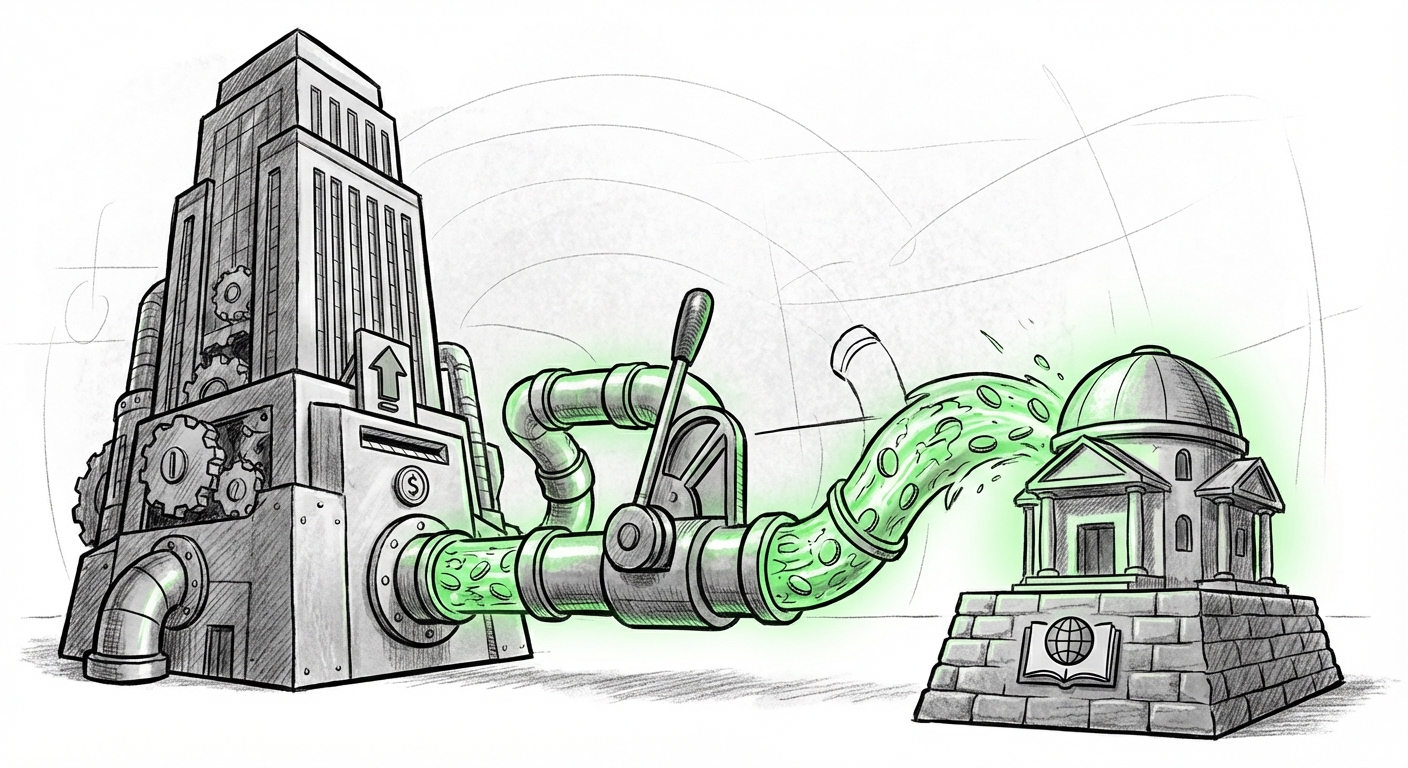
The world of Artificial Intelligence (AI) is constantly changing, bringing both exciting opportunities and complex challenges. One of the biggest stories in AI right now involves Elon Musk and OpenAI. Musk, a co-founder of OpenAI, has updated his lawsuit against the company in a surprising way. Instead of seeking personal compensation, he's now asking that any potential damages, which could amount to a staggering $150 billion, be directed to OpenAI's original nonprofit foundation.
Understanding the Lawsuit and Its Implications
So, what does this mean for the future of AI and how it will be used? Let's break it down:
The Core of the Dispute
The lawsuit revolves around Musk's belief that OpenAI has strayed from its original mission. When it was founded, OpenAI was intended to be a non-profit organization dedicated to developing AI for the benefit of humanity. Musk argues that OpenAI's current focus on profit, especially through its partnership with Microsoft, violates this founding principle.
Why Redirect Damages to the Nonprofit?
Musk's decision to redirect the potential $150 billion in damages to OpenAI's nonprofit foundation is a crucial point. This move suggests that his primary goal isn't personal financial gain. Instead, he seems to be aiming to steer OpenAI back towards its original mission of developing AI for the greater good. By ensuring the funds go to the nonprofit arm, Musk hopes to influence the direction of AI development within the organization.
The Future of AI: A Crossroads
This lawsuit highlights a fundamental question about the future of AI: Should AI development be driven by profit or by a commitment to benefit humanity? The outcome of this case could have a significant impact on how AI companies operate and how AI technology is developed.
Impact on AI Development
If Musk is successful, it could set a precedent for other AI companies. It might encourage them to prioritize ethical considerations and societal benefits over pure profit maximization. This could lead to:
- More responsible AI development: Companies might be more cautious about the potential risks and unintended consequences of their AI systems.
- Greater transparency: AI companies might be more open about their research and development processes.
- Focus on societal good: AI could be directed towards solving some of the world's most pressing problems, such as climate change, disease, and poverty.
The Role of Nonprofits in AI
The case also underscores the importance of nonprofit organizations in the AI landscape. Nonprofits can play a crucial role in:
- Providing ethical oversight: They can help ensure that AI is developed and used in a responsible and ethical manner.
- Conducting independent research: They can conduct research that is not driven by commercial interests.
- Advocating for public interests: They can advocate for policies that promote the responsible development and use of AI.
Practical Implications for Businesses and Society
The implications of this lawsuit extend far beyond OpenAI and Elon Musk. They touch on the core values and strategies of businesses across all sectors, as well as the broader societal impact of AI.
For Businesses:
- Ethical AI Implementation: Businesses need to proactively consider the ethical implications of their AI deployments. This includes addressing issues like bias, fairness, and transparency.
- Reputation Management: Companies should be prepared to address public concerns about the use of AI. Transparency and open communication are essential for building trust.
- Strategic Alignment: Businesses should ensure that their AI strategies align with their core values and mission. This can help avoid potential conflicts and ensure long-term sustainability.
For Society:
- AI Governance: Governments and regulatory bodies may need to develop new frameworks for governing AI. This could include regulations on data privacy, algorithmic bias, and the use of AI in sensitive areas.
- Public Awareness: It's important to educate the public about AI and its potential impact. This can help foster informed discussions and ensure that AI is used in a way that benefits society as a whole.
- Workforce Transition: As AI automates more tasks, it's important to invest in education and training programs to help workers adapt to the changing job market.
Actionable Insights
Here are some concrete steps that businesses and individuals can take to navigate the changing AI landscape:
For Businesses:
- Conduct an AI Ethics Audit: Assess your current AI systems for potential ethical risks and develop a plan to mitigate them.
- Invest in AI Training: Train your employees on the ethical and responsible use of AI.
- Engage with Stakeholders: Solicit feedback from customers, employees, and other stakeholders on your AI initiatives.
For Individuals:
- Stay Informed: Keep up-to-date on the latest developments in AI.
- Ask Questions: Don't be afraid to ask questions about how AI is being used in your daily life.
- Advocate for Responsible AI: Support policies and initiatives that promote the responsible development and use of AI.
Conclusion: Shaping the Future of AI
Elon Musk's updated lawsuit against OpenAI is more than just a legal battle. It's a reflection of the ongoing debate about the future of AI and its role in society. By redirecting potential damages to OpenAI's nonprofit foundation, Musk is signaling his belief that AI should be developed for the benefit of humanity, not just for profit. This case serves as a reminder that we all have a role to play in shaping the future of AI and ensuring that it is used in a way that benefits everyone.