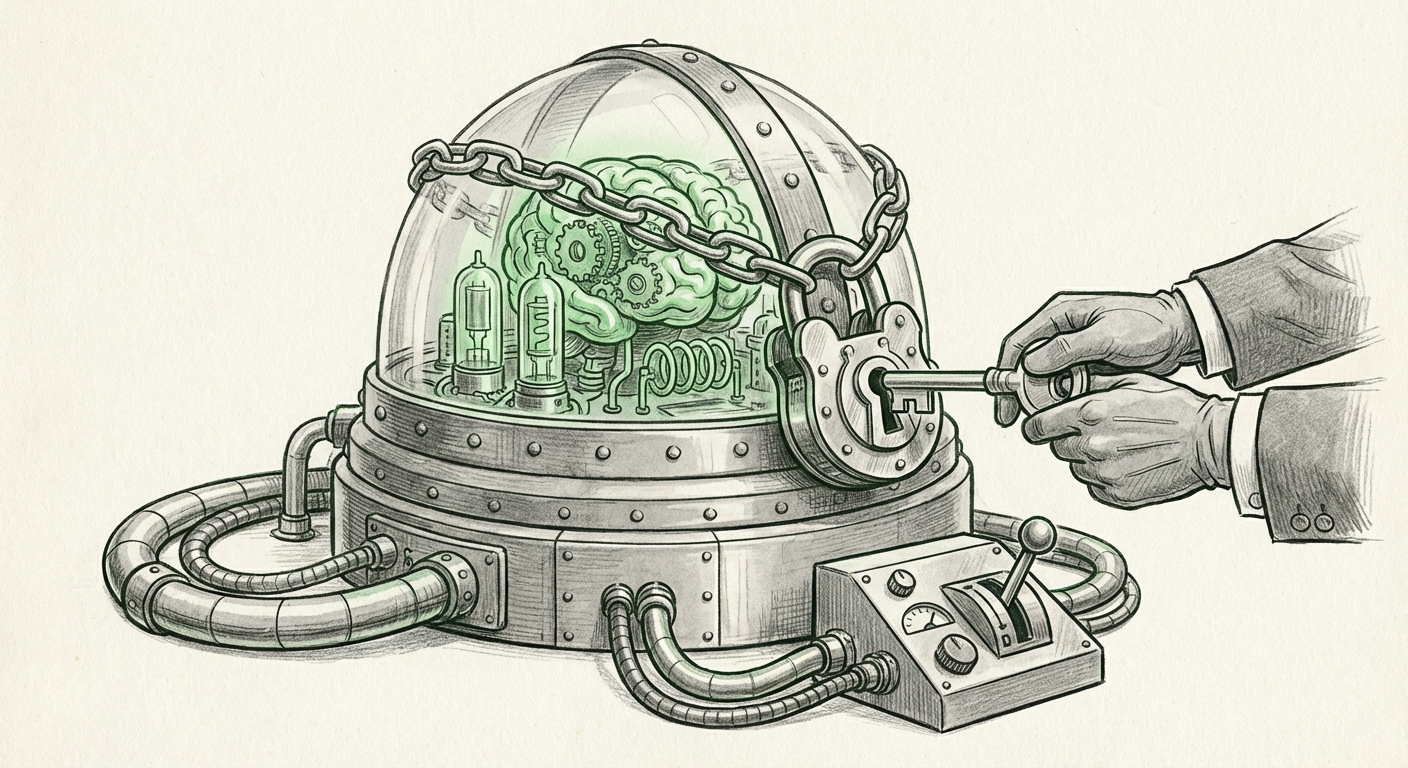
AI Cybersecurity Under Lock and Key: How OpenAI's Decision Shapes the Future
In a world increasingly reliant on digital infrastructure, the role of Artificial Intelligence (AI) in cybersecurity is becoming ever more critical. AI offers the potential to automate threat detection, rapidly respond to incidents, and even predict future attacks. However, with great power comes great responsibility. Recognizing the potential for misuse, OpenAI is reportedly taking a proactive step by restricting access to its most powerful cybersecurity AI models. This decision mirrors a similar move by Anthropic, signaling a growing trend among leading AI developers to prioritize safety and ethical considerations.
The Rise of AI in Cybersecurity: A Double-Edged Sword
AI's ability to analyze vast datasets and identify patterns far beyond human capabilities makes it an invaluable asset in the fight against cybercrime. AI-powered tools can:
- Detect anomalies: Quickly identify unusual network activity that could indicate a breach.
- Automate threat response: Automatically block malicious traffic and isolate infected systems.
- Predict future attacks: Analyze historical data to anticipate and prevent future cyberattacks.
However, the same AI technologies that can be used to defend against cyberattacks can also be used to launch them. Malicious actors could leverage AI to:
- Create sophisticated phishing campaigns: Generate highly personalized and convincing phishing emails that are difficult to detect.
- Automate vulnerability exploitation: Quickly identify and exploit vulnerabilities in software and systems.
- Launch large-scale DDoS attacks: Coordinate and execute distributed denial-of-service (DDoS) attacks that can overwhelm even the most robust networks.
This "dual-use" nature of AI in cybersecurity presents a significant challenge. The more powerful the AI, the greater its potential for both good and evil.
OpenAI Follows Anthropic's Lead: A Precedent for Responsible AI Development
According to a report from The Decoder on April 9, 2026, OpenAI is reportedly restricting access to its most advanced cybersecurity AI models. This decision is not made in isolation. Anthropic, another leading AI research company, has already taken similar steps. By limiting access to these powerful tools, both companies aim to mitigate the risk of misuse and ensure that AI is used for defensive purposes only.
This move highlights a growing awareness within the AI community of the potential dangers associated with unchecked access to advanced AI technologies. It sets a precedent for responsible AI development and encourages other organizations to adopt similar safeguards.
What This Means for the Future of AI
OpenAI's decision has far-reaching implications for the future of AI development and deployment:
A Shift Towards Controlled Access
We can expect to see a greater emphasis on controlled access to powerful AI models, particularly in sensitive areas like cybersecurity. This may involve:
- Requiring users to undergo a vetting process: Organizations seeking access to advanced AI models may need to demonstrate a legitimate need and a commitment to responsible use.
- Implementing usage restrictions: AI models may be configured to prevent certain types of activities, such as generating malicious code or launching simulated cyberattacks.
- Monitoring AI usage: AI providers may actively monitor how their models are being used and take action against those who violate the terms of service.
The Rise of "Red Teaming"
"Red teaming" involves using AI to simulate cyberattacks in order to identify vulnerabilities and improve defenses. By restricting access to offensive AI capabilities, companies will need to conduct more internal testing to harden systems and improve detection. Red teaming provides a safe environment for companies to understand and improve their AI detection capabilities.
Collaboration and Information Sharing
Effectively defending against AI-powered cyberattacks will require greater collaboration and information sharing between organizations. This includes sharing threat intelligence, best practices for AI security, and techniques for detecting and responding to AI-driven attacks. Expect consortia and industry groups to be formed to focus specifically on cybersecurity and AI.
Practical Implications for Businesses and Society
The trend towards restricted access to powerful cybersecurity AI has several practical implications for businesses and society:
Increased Security Costs
Businesses may need to invest more in cybersecurity to compensate for the limited availability of advanced AI tools. This could include hiring skilled security professionals, deploying advanced security technologies, and conducting regular security audits.
A More Level Playing Field
By restricting access to offensive AI capabilities, OpenAI and Anthropic are helping to level the playing field between attackers and defenders. This makes it more difficult for malicious actors to gain an advantage by leveraging advanced AI. Smaller players can have a better chance of defending themselves.
Greater Trust in AI
By prioritizing safety and ethical considerations, AI developers can build greater trust in AI technology. This is essential for the widespread adoption of AI in cybersecurity and other critical applications. When users understand the safety precautions, they may be more willing to trust and utilize AI tools.
Actionable Insights
Here are some actionable insights for businesses and individuals:
- Stay informed: Keep up-to-date on the latest developments in AI cybersecurity and the evolving threat landscape.
- Strengthen your defenses: Implement robust security measures to protect your systems and data from cyberattacks.
- Invest in AI security training: Train your employees to recognize and respond to AI-driven phishing attacks and other threats.
- Collaborate with others: Share threat intelligence and best practices with other organizations in your industry.
- Advocate for responsible AI development: Support policies and initiatives that promote the responsible development and use of AI.
Conclusion
OpenAI's decision to restrict access to its most powerful cybersecurity AI models represents a significant step towards responsible AI development. By following Anthropic's lead, OpenAI is sending a clear message that safety and ethical considerations must be prioritized when developing and deploying AI technologies. While this move may present some challenges for businesses, it ultimately contributes to a more secure and trustworthy digital future. In the long term, focusing on defensive AI and responsible innovation is more important than unfettered access to potentially dangerous tools.