GENIE: How AI is Turning Simple Images into Playable Worlds
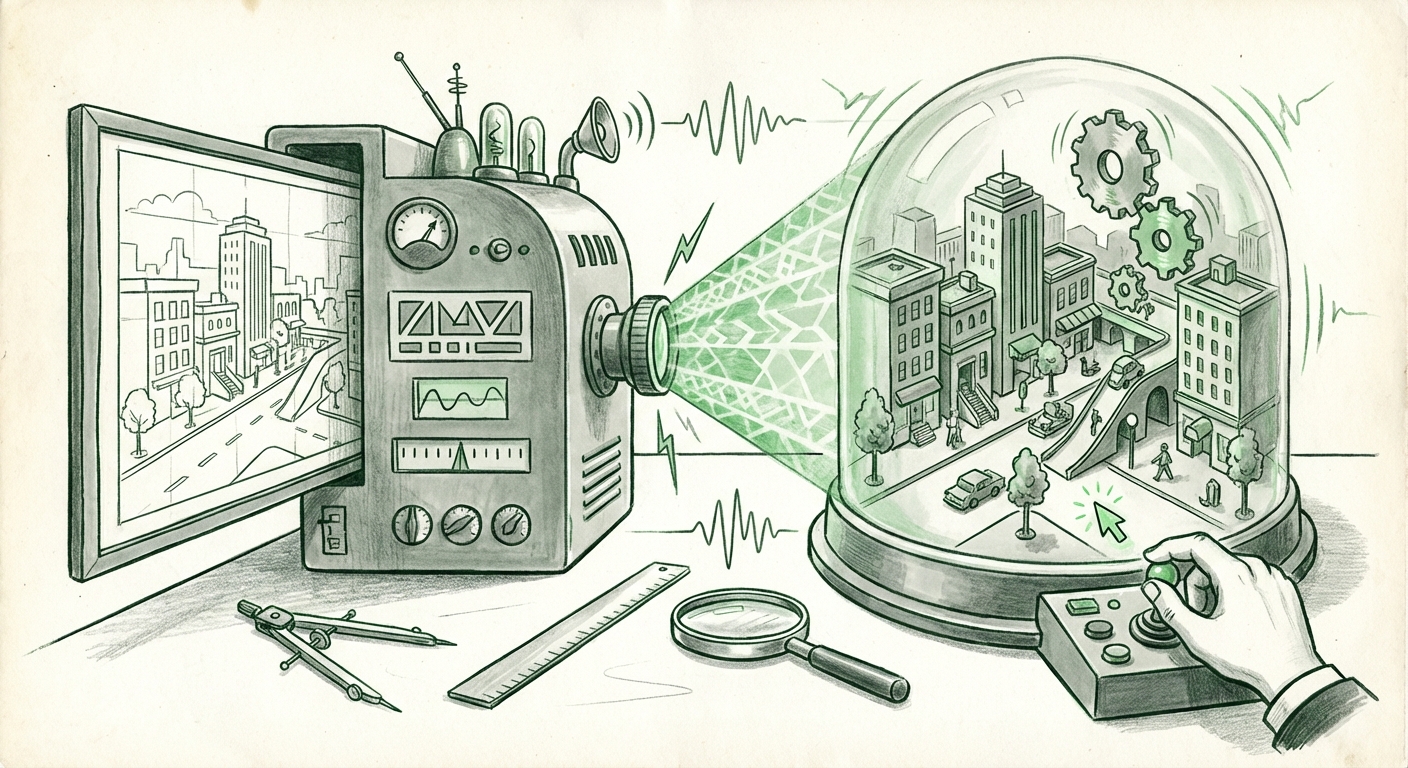
Imagine being able to create a video game level simply by taking a picture. That's the promise of Project GENIE, a new AI system. Instead of needing complex coding or design skills, GENIE lets you turn any image into an interactive, playable environment. This could change how games, simulations, and even AI itself are developed.
What is Project GENIE?
According to the Sequence Knowledge Project, GENIE is an AI system that builds playable worlds from pixels. This means it can take a regular image and understand the objects, characters, and physics within it well enough to create a game-like experience. Think of it as teaching a computer to "see" a picture and then imagine how it would work if you could interact with it.
How Does GENIE Work?
The exact details of GENIE's inner workings are complex, but the core idea is that it uses advanced AI techniques to analyze images and learn how the world inside them might behave. It's like teaching an AI to understand the rules of physics and how different objects interact. This involves:
- Image Recognition: Identifying objects, characters, and backgrounds within the image.
- Physics Simulation: Predicting how these objects would move and interact with each other.
- Interactive Environment Generation: Creating a playable space where users can control characters and objects.
Instead of static images, GENIE creates a dynamic world that responds to user input. This is a significant leap from previous AI systems that could only analyze or modify images.
The Future Implications of GENIE
Project GENIE has huge implications for the future. Let's break down some of the most exciting possibilities:
1. Revolutionizing Game Development
Creating video games is a long and expensive process. GENIE could dramatically speed this up. Instead of spending months designing levels, developers could simply use images to generate interactive environments. This could lead to:
- Faster Development Cycles: Games could be created much more quickly.
- Lower Costs: Less need for large teams of designers and programmers.
- More Creativity: Developers can experiment with a wider range of ideas.
- Personalized Gaming Experiences: Imagine creating a game level based on a photo from your vacation!
2. Transforming Simulations and Training
Simulations are used in many fields, from training pilots to testing new medical procedures. GENIE could make creating these simulations much easier. For example:
- Medical Training: Doctors could practice surgeries on simulated patients created from medical scans.
- Disaster Response: Emergency responders could train in simulated disaster zones based on real-world images.
- Engineering: Engineers could test new designs in interactive simulations generated from blueprints.
3. Advancing AI Research
GENIE is not just a tool; it's also a research platform. By studying how GENIE learns to create playable worlds, AI researchers can gain new insights into how AI systems can understand and interact with the real world. This could lead to breakthroughs in:
- Computer Vision: Improving how AI systems "see" and interpret images.
- Reinforcement Learning: Developing AI agents that can learn to perform complex tasks in dynamic environments.
- Robotics: Creating robots that can navigate and interact with the real world more effectively.
4. Education and Accessibility
Imagine students being able to bring history to life by creating interactive environments from historical paintings or photographs. GENIE has the potential to make education more engaging and accessible. Furthermore, it could empower individuals with disabilities by creating customized interactive experiences tailored to their needs.
Practical Implications for Businesses and Society
The development of GENIE has several practical implications for businesses and society:
- New Business Models: Companies could offer services that allow users to create personalized games or simulations.
- Job Creation: New jobs could be created in areas such as AI-assisted game design and simulation development.
- Ethical Considerations: As with any powerful technology, it's important to consider the ethical implications of GENIE. For example, how can we ensure that it's not used to create harmful or misleading content?
Actionable Insights
Here are some actionable insights based on the emergence of Project GENIE:
- For Businesses: Explore how AI-powered environment generation could streamline your product development or training processes. Invest in teams that can experiment with these new tools.
- For Educators: Consider how interactive environments created from images could enhance your teaching methods and engage students more effectively.
- For AI Researchers: Focus on the ethical considerations of AI-generated content and develop safeguards to prevent misuse.
- For Individuals: Stay informed about the latest AI developments and think creatively about how they could be applied to solve problems or create new opportunities.
Conclusion
Project GENIE represents a significant step forward in AI's ability to understand and interact with the world. By turning simple images into playable environments, it has the potential to revolutionize game development, simulations, AI research, and education. As this technology continues to evolve, it's important to consider its ethical implications and ensure that it's used to create positive outcomes for society.