OpenAI Enters Cybersecurity: A New Era of AI-Powered Protection
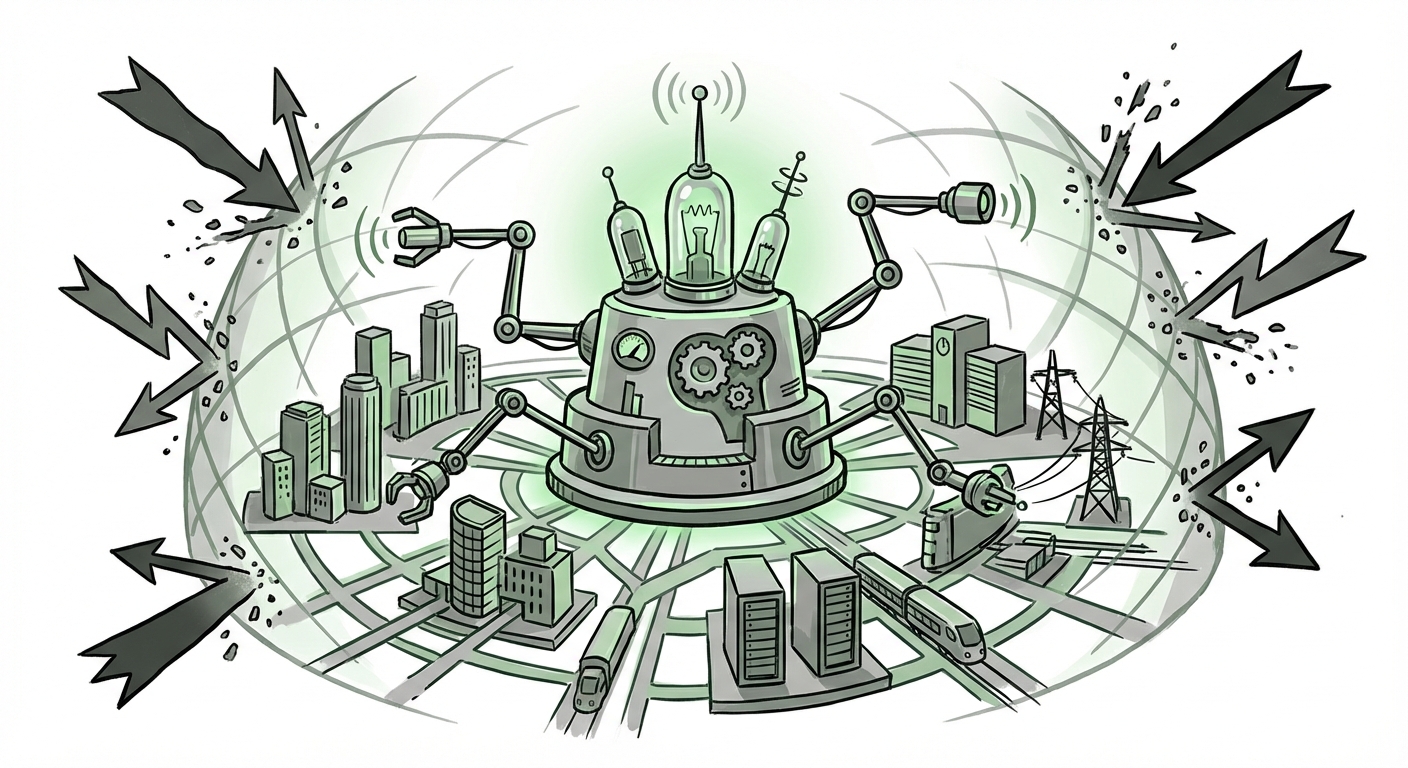
In a move that signals a significant shift in the AI landscape, OpenAI is developing a dedicated cybersecurity product. This isn't just another software release; it's a bold step towards leveraging AI's power to defend against increasingly sophisticated cyber threats. The initiative, currently in its early stages, involves a select group of companies who will be the first to experience this cutting-edge technology.
What OpenAI's Cybersecurity Venture Means for the Future of AI
OpenAI's foray into cybersecurity highlights a crucial evolution in the application of artificial intelligence. Here's what this means for the future:
- AI as a Defender: Traditionally, AI has been viewed as a tool that can be used for both good and bad, including malicious cyber activities. OpenAI's cybersecurity product showcases AI's potential as a powerful defensive tool. It demonstrates how AI can be strategically employed to protect digital assets and infrastructure.
- Proactive Threat Detection: The future of cybersecurity lies in proactive threat detection. AI algorithms can analyze vast amounts of data to identify patterns and anomalies that indicate potential cyberattacks before they occur. This is a significant improvement over traditional reactive security measures.
- Automated Incident Response: When a cyberattack does occur, speed is of the essence. AI can automate incident response, quickly isolating threats, mitigating damage, and restoring systems. This reduces the impact of attacks and minimizes downtime.
- Enhanced Threat Intelligence: AI can process and analyze threat intelligence data from multiple sources, providing a comprehensive view of the threat landscape. This allows organizations to stay ahead of emerging threats and adapt their security posture accordingly.
- Democratization of Cybersecurity: Currently, advanced cybersecurity expertise is often limited to large organizations with significant resources. AI-powered cybersecurity tools can help democratize access to advanced protection, making it available to smaller businesses and individuals who may lack specialized knowledge.
Practical Implications for Businesses
The development of AI-driven cybersecurity tools has profound practical implications for businesses of all sizes:
- Reduced Risk: By implementing AI-powered security solutions, businesses can significantly reduce their risk of falling victim to cyberattacks. This can prevent financial losses, reputational damage, and legal liabilities.
- Improved Efficiency: AI can automate many of the tedious and time-consuming tasks associated with cybersecurity, freeing up human security professionals to focus on more strategic initiatives.
- Cost Savings: While there may be upfront costs associated with implementing AI-powered security solutions, the long-term cost savings can be significant. By preventing attacks and automating tasks, businesses can reduce their overall cybersecurity expenses.
- Competitive Advantage: Businesses that demonstrate a commitment to cybersecurity can gain a competitive advantage. Customers are increasingly concerned about data privacy and security, and they are more likely to do business with companies they trust.
- Adaptability: AI systems can learn and adapt to new threats as they emerge. This means that businesses can stay ahead of the curve and maintain a strong security posture even as the threat landscape evolves.
Societal Impact: A Safer Digital World?
The widespread adoption of AI in cybersecurity has the potential to create a safer digital world for everyone:
- Protection of Critical Infrastructure: AI can be used to protect critical infrastructure, such as power grids, water treatment plants, and transportation systems, from cyberattacks. This is essential for maintaining public safety and national security.
- Combating Cybercrime: AI can help law enforcement agencies combat cybercrime by identifying and tracking down criminals. This can deter cybercriminals and bring them to justice.
- Protecting Personal Data: AI can be used to protect personal data from theft and misuse. This can help individuals maintain their privacy and control over their information.
- Promoting Trust in the Digital Economy: By making the digital world safer and more secure, AI can promote trust in the digital economy. This can encourage people to engage in online activities, such as e-commerce and online banking, with confidence.
Actionable Insights: Preparing for the AI-Powered Cybersecurity Future
Here are some actionable insights for businesses and individuals looking to prepare for the AI-powered cybersecurity future:
- Stay Informed: Keep up-to-date on the latest developments in AI and cybersecurity. Read industry publications, attend conferences, and follow experts on social media.
- Assess Your Risk: Conduct a thorough risk assessment to identify your organization's vulnerabilities and potential threats.
- Invest in AI-Powered Security Solutions: Consider investing in AI-powered security solutions to enhance your organization's defenses.
- Train Your Employees: Provide cybersecurity training to your employees to help them recognize and avoid phishing scams and other cyber threats.
- Develop an Incident Response Plan: Create an incident response plan that outlines the steps to take in the event of a cyberattack.
- Collaborate and Share Information: Share threat intelligence with other organizations and collaborate on cybersecurity initiatives.
The Path Forward
OpenAI's entry into cybersecurity is a significant milestone in the evolution of AI. While the specific details of their product remain under wraps, the broader implications are clear: AI is poised to play an increasingly important role in protecting our digital world. As AI technology continues to advance, we can expect to see even more innovative and effective cybersecurity solutions emerge.