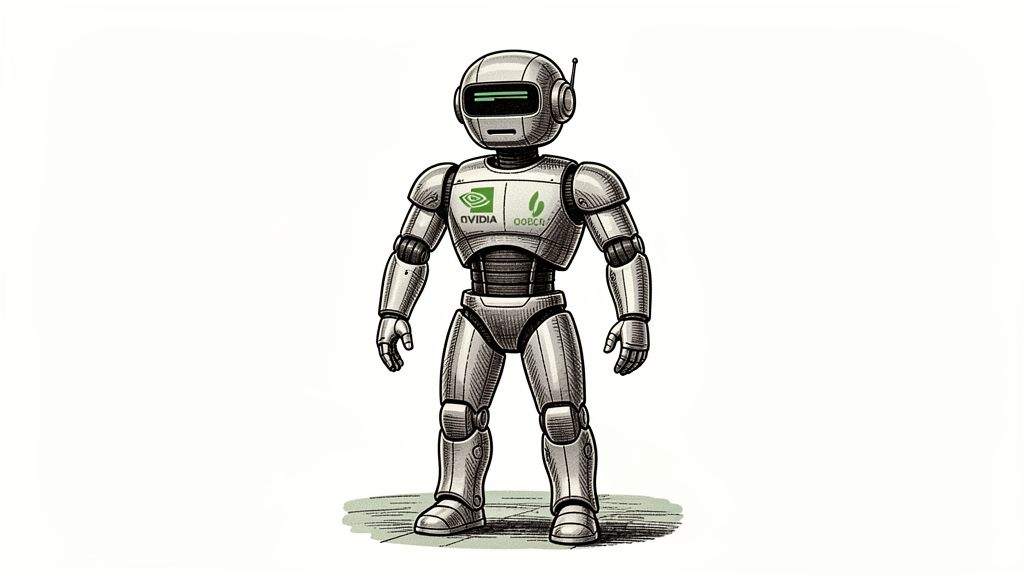
Nvidia's Lyra 2.0: Revolutionizing Robot Training Through Scalable Simulation
Imagine a world where robots can learn and adapt to new situations just like humans do. This future is becoming increasingly possible thanks to advancements in AI and simulation technology. Nvidia's Lyra 2.0 is a significant step towards this reality, offering a platform to massively scale robot training in simulated environments. But what does this mean for the future of AI, and how will it impact businesses and our daily lives?
The Power of Simulation in Robot Training
Training robots can be challenging and expensive. Traditionally, robots are trained in the real world, which requires a lot of time, resources, and carries the risk of damage to the robot or its surroundings. Simulation offers a safer, faster, and more cost-effective alternative. By creating virtual environments that mimic real-world scenarios, developers can train robots on a massive scale without the limitations of physical constraints. Think of it like a video game where robots can practice and learn without any real-world consequences.
What is Lyra 2.0 and Why is it a Game Changer?
Nvidia's Lyra 2.0 is designed to address the growing need for scalable robot simulation training. It provides a comprehensive platform for developers to create realistic and complex virtual environments where robots can learn and improve their skills. Lyra 2.0 enables:
- Large-Scale Training: Train countless robots simultaneously in diverse scenarios.
- Realistic Environments: Create highly detailed and accurate simulations that closely resemble the real world.
- Efficient Development: Provides tools and resources to streamline the robot training process.
This advancement is a game-changer because it allows developers to accelerate the development and deployment of robots for various applications.
Implications for the Future of AI
Lyra 2.0's impact on the future of AI is profound. Here are some key implications:
Faster Development Cycles
Simulation enables rapid experimentation and iteration. Robots can be tested and refined in virtual environments, significantly reducing the time it takes to develop and deploy new robotic solutions. Instead of months or years, development cycles can be shortened to weeks or even days.
Improved Robot Performance
By training in diverse and challenging simulated environments, robots become more robust and adaptable. They can learn to handle unexpected situations and perform tasks more efficiently. Think of a self-driving car encountering different weather conditions or a warehouse robot navigating a cluttered environment – simulation prepares them for anything.
Wider Adoption of Robotics
As robot training becomes more accessible and affordable, we can expect to see robots integrated into more aspects of our lives. From manufacturing and logistics to healthcare and education, robots will play an increasingly important role.
Practical Implications for Businesses and Society
The advancements in robot simulation training have far-reaching practical implications for businesses and society as a whole:
Businesses
- Increased Efficiency: Robots can automate repetitive and dangerous tasks, freeing up human workers to focus on more creative and strategic activities.
- Reduced Costs: By optimizing processes and minimizing errors, robots can help businesses reduce operational costs and improve their bottom line.
- Enhanced Safety: Robots can perform tasks in hazardous environments, reducing the risk of injury to human workers.
Society
- Improved Healthcare: Robots can assist surgeons, dispense medication, and provide companionship to elderly patients, improving the quality of healthcare.
- Safer Transportation: Self-driving cars and trucks can reduce traffic accidents and improve the efficiency of transportation systems.
- Enhanced Quality of Life: Robots can perform household chores, provide assistance to people with disabilities, and enhance our overall quality of life.
Actionable Insights
So, what can businesses and individuals do to prepare for this robotic revolution?
- Invest in AI Education: Educate yourself and your workforce about the potential of AI and robotics.
- Explore Simulation Technologies: Investigate how simulation can be used to improve your products, processes, and services.
- Partner with AI Experts: Collaborate with AI companies and researchers to develop and deploy innovative robotic solutions.
Conclusion
Nvidia's Lyra 2.0 represents a significant leap forward in robot simulation training. By enabling large-scale, realistic, and efficient training, Lyra 2.0 is paving the way for a future where robots are more capable, adaptable, and integrated into our daily lives. As AI continues to evolve, simulation will play an increasingly important role in unlocking the full potential of robotics and transforming industries across the globe.