AI Comic Creation: German Court Sets Precedent for Copyright Law in the Age of AI
The world of Artificial Intelligence (AI) is changing rapidly, and it's impacting almost every industry. One area where AI is making significant strides is in creative fields like art and entertainment. Recently, a German court made a ruling that could change how we think about copyright and AI-generated content. Let's dive into what happened and what it means for the future.
The Case: AI-Generated Comics and Copyright
In 2026, a German court ruled on a case involving an AI that created a comic adaptation of a copyrighted photograph. The court decided that the AI-generated comic did not violate the copyright of the original photograph. This is a big deal because it sets a precedent for how copyright law applies to AI-generated works.
Why This Matters for the Future of AI
This ruling has several important implications for the future of AI:
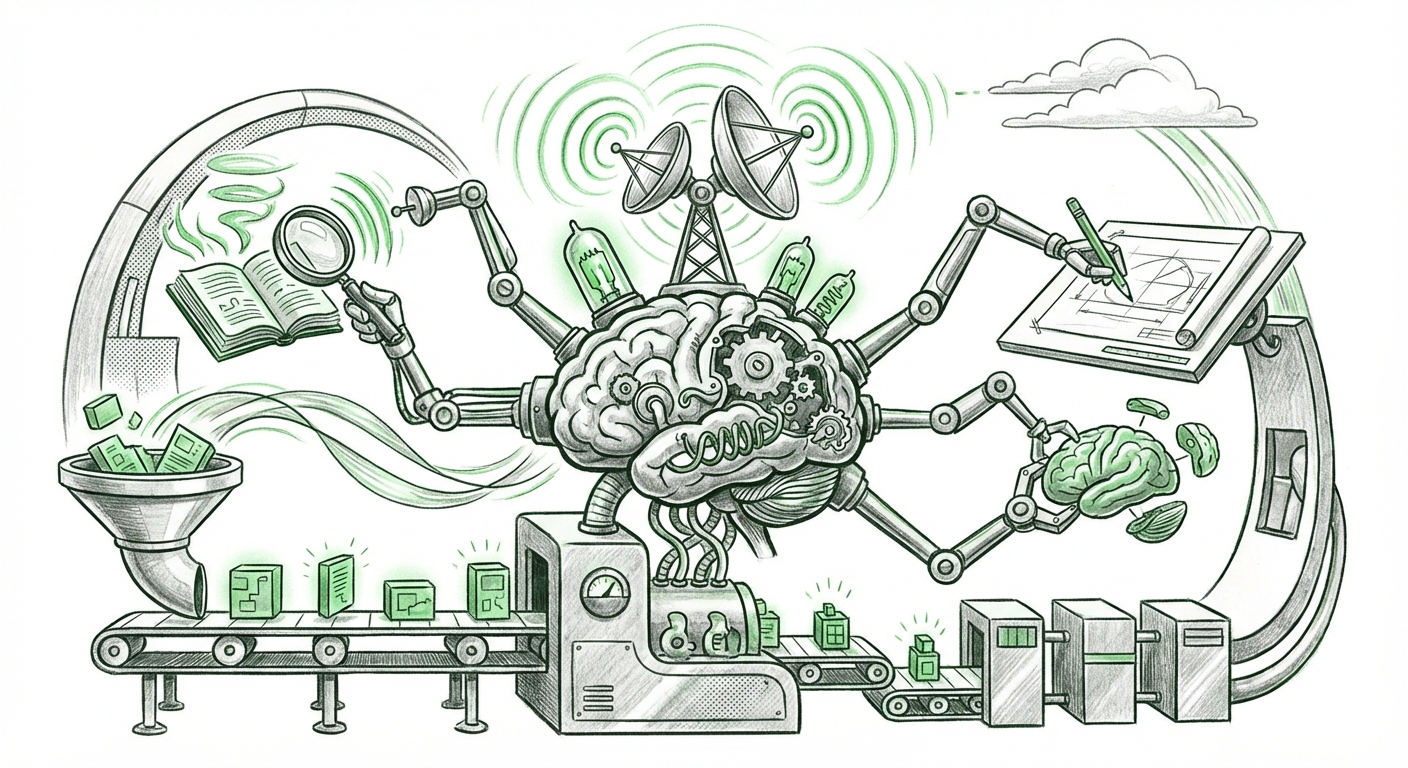
- AI as a Tool, Not a Creator: The court's decision suggests that AI is viewed more as a tool used by creators, rather than a creator itself. If an AI is simply a tool, then the output it produces might not be subject to the same copyright restrictions as something created entirely by a human.
- Encouraging Innovation: This ruling could encourage more innovation in the field of AI-driven content creation. If people don't have to worry as much about copyright infringement, they may be more willing to experiment with AI tools to create new and exciting works.
- Redefining Creativity: The line between human and machine creativity is becoming increasingly blurred. This case forces us to reconsider what it means to be creative and how we value different forms of creative expression.
Practical Implications for Businesses and Society
So, how does this court ruling affect businesses and society?
For Businesses:
- New Business Models: Companies can explore new business models centered around AI-generated content. For example, a company could use AI to create marketing materials, design product prototypes, or even generate entire virtual worlds for games and entertainment.
- Cost Savings: AI can automate many tasks that were previously done by humans, leading to significant cost savings for businesses. This is especially true in areas like content creation, where AI can generate large amounts of material quickly and efficiently.
- Legal Considerations: Businesses need to stay informed about the evolving legal landscape surrounding AI-generated content. While this German court ruling is a positive step for AI innovation, copyright laws can vary from country to country, so it's important to seek legal advice.
For Society:
- Accessibility of Creative Tools: AI is making creative tools more accessible to everyone. People who may not have the skills or resources to create art, music, or writing can now use AI to express themselves creatively.
- Ethical Concerns: As AI becomes more powerful, it's important to consider the ethical implications. For example, how do we ensure that AI is not used to create deepfakes or spread misinformation? How do we protect artists and creators from having their work unfairly exploited by AI?
- Job Displacement: There are concerns that AI could lead to job displacement in creative industries. As AI becomes more capable of generating high-quality content, some human artists and creators may find it harder to compete.
Actionable Insights: How to Prepare for the Future of AI in Creative Industries
Here are some actionable insights to help you prepare for the future of AI in creative industries:
- Embrace AI as a Tool: Instead of fearing AI, embrace it as a tool that can enhance your creativity and productivity. Experiment with different AI tools and find ways to integrate them into your workflow.
- Develop New Skills: Focus on developing skills that are difficult for AI to replicate, such as critical thinking, emotional intelligence, and complex problem-solving.
- Stay Informed: Keep up-to-date with the latest developments in AI and copyright law. Attend conferences, read industry publications, and follow thought leaders in the field.
- Advocate for Ethical AI: Support policies and initiatives that promote the ethical development and use of AI. This includes advocating for transparency, accountability, and fairness in AI systems.
- Protect Your Work: Understand your rights as a creator and take steps to protect your work from unauthorized use. This may involve registering your copyrights, using watermarks, or implementing other security measures.
What This Means for the Evolution of AI
The German court's decision is more than just a legal ruling; it's a sign of how AI is changing our world. As AI continues to evolve, we can expect to see even more blurring of the lines between human and machine creativity. This will require us to constantly re-evaluate our assumptions about copyright, ownership, and the very nature of creativity itself.
In the coming years, we can anticipate:
- More sophisticated AI tools: AI will become even better at understanding and responding to human creative intent.
- Increased collaboration between humans and AI: AI will become a seamless partner in the creative process, helping humans to generate new ideas, explore different possibilities, and refine their work.
- New forms of creative expression: AI will enable us to create entirely new forms of art, music, and literature that were previously unimaginable.
The future of AI in creative industries is full of possibilities. By embracing AI as a tool, developing new skills, and staying informed, we can harness its power to create a more vibrant and innovative world.