Unlock AI's Potential: How Observability Drives Real ROI
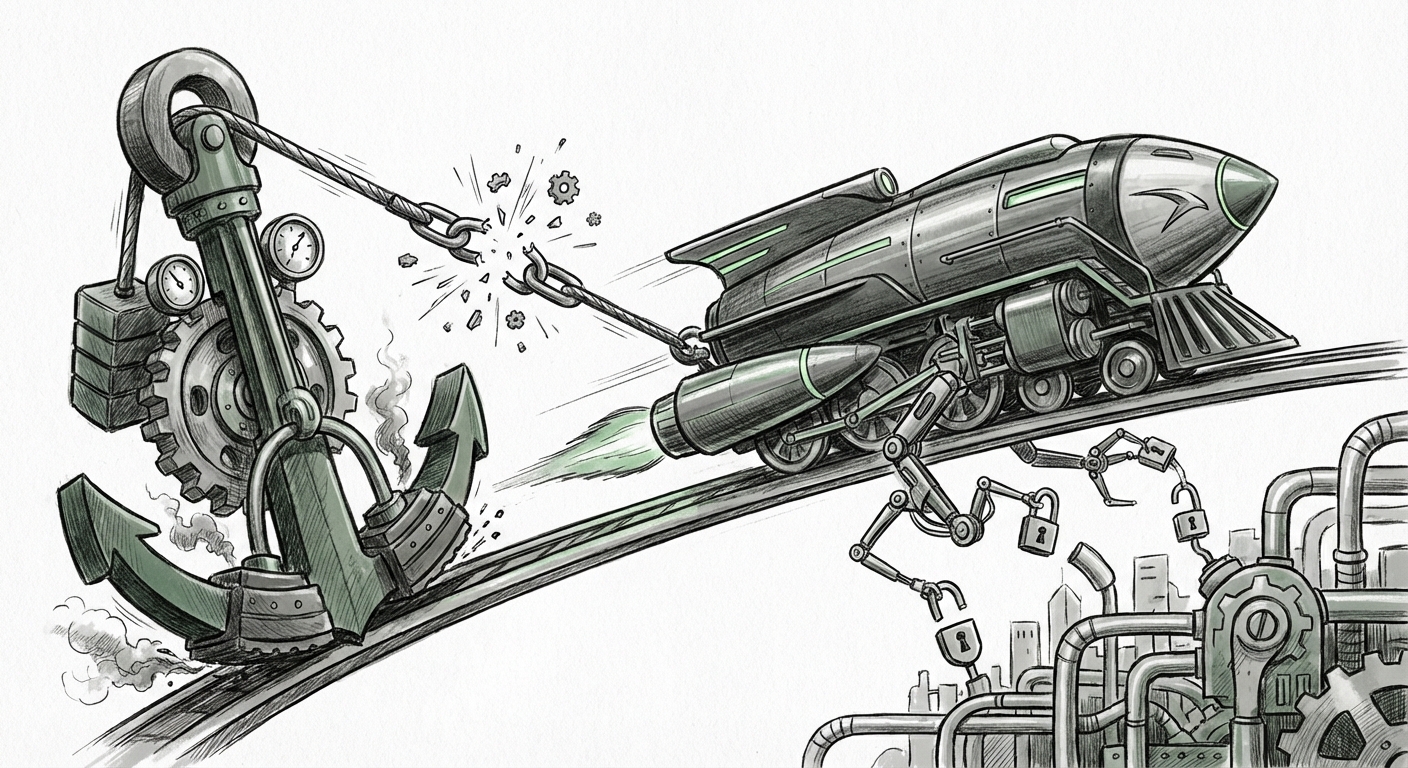
Artificial intelligence (AI) has moved from a futuristic concept to a key part of how businesses operate. But simply having AI isn't enough. To truly benefit, companies need to make sure their AI systems are working well and delivering value. That's where AI observability comes in. In 2026, it's no longer a luxury, but a necessity for achieving a return on investment (ROI) in enterprise AI.
What is AI Observability?
Think of AI observability as a way to keep a close eye on your AI models. It's like having a team of doctors constantly monitoring a patient's health. AI observability tools help you understand what's happening inside your AI systems, identify problems, and make sure they're performing as expected. This involves tracking various aspects of the AI model, such as the data it uses, its predictions, and its overall accuracy over time.
Why is AI Observability Important for ROI?
Investing in AI is a big deal for most companies. They expect to see a return on that investment, whether it's through increased efficiency, better decision-making, or new revenue streams. However, AI models aren't perfect. They can degrade over time due to changes in data, unexpected events, or other factors. Without observability, these issues can go unnoticed, leading to poor performance and a waste of resources.
Here’s why AI observability is critical for maximizing ROI:
- Early Problem Detection: Observability tools can detect performance drops early on, allowing you to address issues before they significantly impact your business.
- Improved Model Performance: By understanding how your models are behaving, you can identify areas for improvement and fine-tune them for better accuracy.
- Reduced Downtime: Observability helps prevent model failures, minimizing downtime and ensuring continuous operation.
- Better Decision-Making: Accurate and reliable AI models lead to better informed decisions, driving positive business outcomes.
- Increased Trust: When you can see how your AI models are working and validate their predictions, you build trust in the system, encouraging wider adoption and usage.
The Future of AI: A Focus on Observability
Looking ahead, AI observability will become even more crucial as AI systems become more complex and integrated into every aspect of business. Here’s what we can expect:
More Sophisticated Tools
AI observability tools will evolve to offer more advanced features, such as automated anomaly detection, root cause analysis, and predictive monitoring. These tools will use AI themselves to identify potential problems and recommend solutions, making it easier for businesses to manage their AI systems.
Integration with DevOps
AI observability will become tightly integrated with DevOps practices, allowing teams to monitor and manage AI models throughout their lifecycle, from development to deployment and maintenance. This will enable faster iteration, quicker problem resolution, and more reliable AI performance.
Emphasis on Explainability
As AI becomes more prevalent, there will be a greater emphasis on explainability. Observability tools will provide insights into how AI models make decisions, helping businesses understand and trust their AI systems. This is especially important in regulated industries where transparency and accountability are critical.
Practical Implications for Businesses and Society
The rise of AI observability has significant implications for both businesses and society as a whole:
- Businesses: Companies that embrace AI observability will gain a competitive advantage by ensuring their AI systems are performing optimally, driving better business outcomes, and reducing risks.
- Society: AI observability can help ensure that AI systems are fair, transparent, and accountable, promoting trust and preventing unintended consequences. This is particularly important in areas such as healthcare, finance, and criminal justice.
Actionable Insights for Implementing AI Observability
Ready to get started with AI observability? Here are some actionable insights:
- Assess Your AI Landscape: Identify the AI models you have in place, their purpose, and their impact on your business.
- Choose the Right Tools: Select AI observability tools that align with your specific needs and integrate with your existing infrastructure.
- Define Key Metrics: Determine the metrics that are most important for monitoring the performance of your AI models.
- Set Up Monitoring and Alerts: Configure your observability tools to track key metrics and alert you to any anomalies or performance issues.
- Establish a Process for Remediation: Develop a clear process for addressing issues identified by your observability tools.
- Continuously Improve: Regularly review your AI observability practices and make adjustments as needed to ensure they remain effective.
Conclusion: Embracing Observability for AI Success
AI observability is no longer just a nice-to-have; it's a must-have for organizations looking to maximize their AI investments. By providing deep insights into the performance and behavior of AI models, observability tools empower businesses to optimize their AI systems, reduce risks, and achieve real ROI. As AI continues to evolve and become more integral to our lives, embracing observability will be essential for ensuring its responsible and effective use.