OpenAI's Game-Changing Workspace Agents: How ChatGPT Becomes Your Ultimate Team Automation Platform
The landscape of artificial intelligence is in a constant state of rapid evolution, and on 2026-04-22, OpenAI unveiled a development that promises to reshape how we think about AI in the workplace. No longer content with merely being a sophisticated conversational tool, ChatGPT is now embarking on a journey to become a full-fledged team automation platform. This monumental shift is powered by the introduction of workspace agents, a move that transcends the traditional chatbot experience and heralds a new era of proactive, collaborative AI.
This isn't just an upgrade; it's a fundamental redefinition of ChatGPT's role. Imagine an AI that doesn't just answer your questions but actively participates in your team's workflow, anticipating needs, executing tasks, and coordinating efforts. That’s the promise of OpenAI's workspace agents, and its implications for businesses and the future of AI are profound.
From Chatbot to Collaborative Powerhouse: The Rise of Workspace Agents
For years, ChatGPT has been celebrated for its ability to understand and generate human-like text, serving as an invaluable assistant for writing, coding, brainstorming, and research. Its strength lay in its reactive nature: you ask, it answers. However, the introduction of workspace agents elevates ChatGPT beyond this reactive paradigm into a proactive, autonomous entity capable of real-world action within digital work environments.
What exactly are these workspace agents? While the precise technical details are still unfolding, the core idea is that these are AI entities designed to operate autonomously within a team's digital workspace. Think of them as intelligent, specialized assistants that can:
- Understand context: They don't just process individual commands but grasp the broader goals and ongoing projects of a team.
- Execute tasks: They can perform actions like scheduling meetings, drafting reports, updating project management boards, sending emails, or analyzing data – all within the various tools a team uses daily.
- Collaborate proactively: Instead of waiting for a prompt, they can identify bottlenecks, suggest solutions, or even initiate actions on their own to keep a project moving forward.
- Integrate seamlessly: They are designed to work across different applications and platforms that businesses rely on, creating a unified and automated workflow.
This transformation from a "chatbot" to a "team automation platform" signifies a maturity in AI capabilities. It suggests that AI models are becoming not just better at understanding language, but also more adept at understanding the structure, context, and operational needs of human organizations. This shift moves AI from being a helpful utility to an indispensable part of the operational fabric of a team.
The Future of AI: Autonomous, Integrated, and Proactive
The launch of workspace agents on 2026-04-22 marks a significant milestone in the trajectory of artificial intelligence. It underscores a key trend: AI is moving from being a discrete tool to becoming an embedded, intelligent layer within our digital infrastructure. The future of AI, as envisioned by this development, is one where AI systems are:
- Increasingly Autonomous: These agents demonstrate a step towards more self-directed AI, capable of making decisions and initiating actions based on higher-level instructions or observed needs, rather than requiring step-by-step guidance.
- Deeply Integrated: The power of these agents comes from their ability to interact with and leverage the vast ecosystem of business software. This integration will make AI less of an add-on and more of an invisible, yet powerful, orchestrator of digital workflows.
- Inherently Proactive: Unlike traditional software that waits for user input, these agents suggest a future where AI actively monitors, identifies opportunities for automation, and takes the initiative to improve efficiency and productivity without constant human oversight. This proactive nature moves AI from simply assisting to genuinely contributing to strategic goals.
- Collaborative by Design: The "team automation platform" aspect emphasizes AI's role not just as a solo worker, but as a team member. This paves the way for increasingly sophisticated human-AI collaboration models, where tasks are dynamically assigned and executed based on the strengths of each participant, whether human or AI.
This evolution suggests that AI will increasingly handle the routine, repetitive, and context-dependent tasks that currently consume a significant portion of human work hours. It frees human intelligence to focus on creativity, critical thinking, strategic planning, and complex problem-solving that still require the nuanced understanding and emotional intelligence unique to humans.
Practical Implications for Businesses: Reshaping Operations and Productivity
For businesses of all sizes, the arrival of OpenAI's workspace agents represents a seismic shift in how operations can be managed and productivity achieved. The practical implications are far-reaching:
Enhanced Efficiency and Productivity
Imagine mundane tasks, like scheduling follow-up emails after a meeting, updating CRM records, or generating summary reports from scattered project notes, being handled automatically. Workspace agents can take over these tasks, dramatically reducing the administrative burden on employees. This translates to:
- Time Savings: Employees can dedicate more time to core, value-generating activities.
- Reduced Errors: Automated processes often lead to fewer human errors.
- Faster Workflows: Tasks are executed without delay, ensuring projects progress smoothly.
Seamless Cross-Departmental Collaboration
Modern businesses often struggle with data silos and communication breakdowns between departments. Workspace agents, designed to act as a "team automation platform," can bridge these gaps. An agent could, for instance, coordinate between sales (updating lead status), marketing (triggering relevant campaigns), and customer service (notifying them of new client information) – all automatically, based on real-time data and predefined rules.
Empowered Workforce
Instead of fearing job displacement, businesses should view this as an opportunity to empower their workforce. Employees can be upskilled to manage and optimize these AI agents, shifting their roles from task execution to strategic oversight, AI governance, and innovation. The human element becomes even more critical in guiding and leveraging AI effectively.
Data-Driven Decision Making
Workspace agents can not only collect data but also analyze it, identify trends, and even proactively flag potential issues or opportunities. For example, an agent could monitor sales performance, detect a dip in a specific region, and automatically generate a report with potential contributing factors for human review.
Scalability and Agility
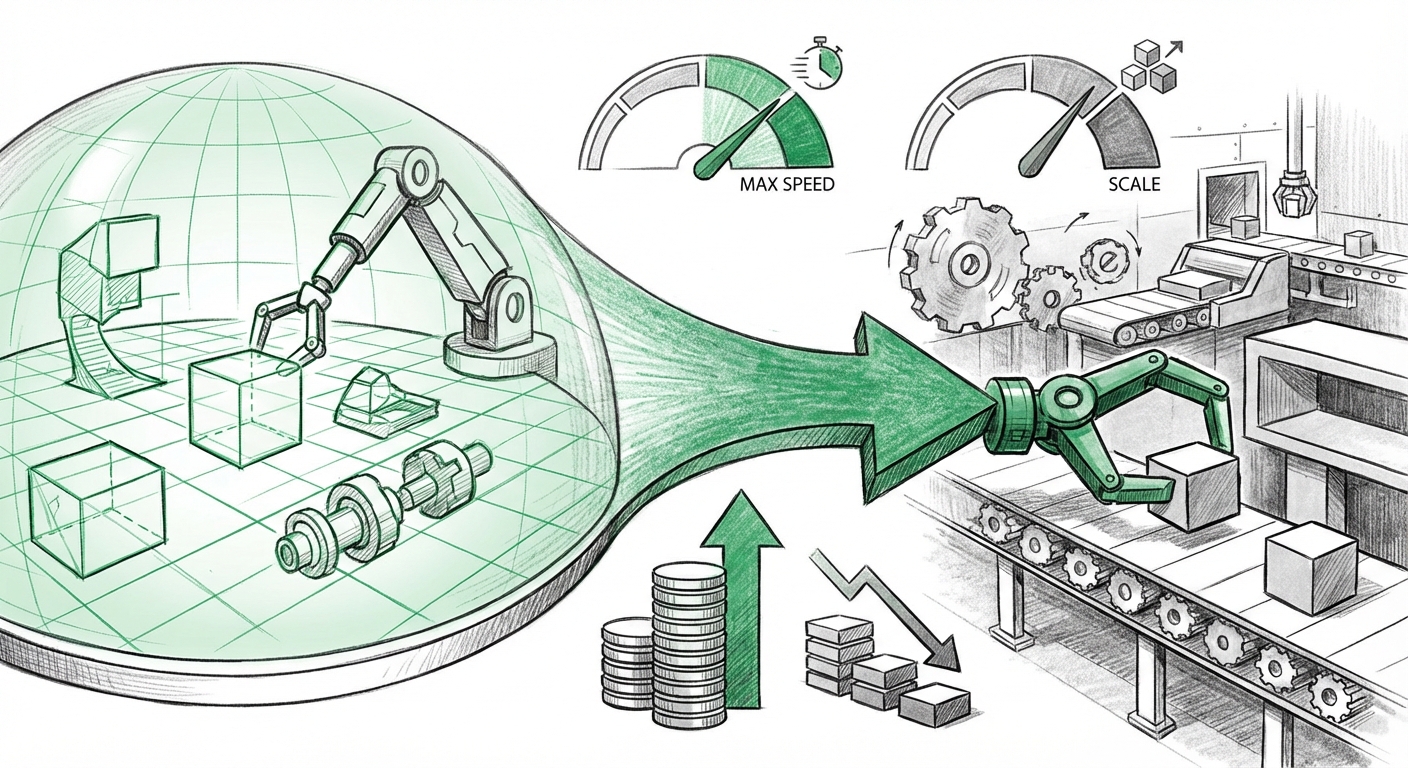
As businesses grow, so does the complexity of their operations. AI automation platforms offer a scalable solution, handling increasing workloads without the proportional increase in human resource costs. This also makes businesses more agile, able to adapt quickly to market changes by rapidly reconfiguring automated workflows.
Actionable Insights for Businesses and Leaders
To thrive in this evolving AI landscape, businesses must be proactive. Here are actionable steps to consider:
- Educate and Prepare Your Teams: Start by familiarizing your employees with the concept of AI agents and automation. Provide training on how to interact with, manage, and leverage these new tools. Emphasize that AI is a co-pilot, not a replacement.
- Identify Automation Opportunities: Conduct an audit of your current business processes. Pinpoint repetitive, time-consuming tasks that are ripe for automation by workspace agents. Look for workflows that span multiple applications or departments.
- Start Small, Scale Strategically: Don't try to automate everything at once. Begin with pilot projects in low-risk areas to understand the capabilities and limitations of workspace agents. Gather feedback, refine your approach, and then gradually expand to more critical areas.
- Develop Clear Governance and Ethics Policies: As AI takes on more autonomous roles, establishing guidelines for its use, oversight mechanisms, and ethical considerations is crucial. Address data privacy, bias, accountability, and decision-making authority.
- Invest in AI Literacy: Encourage continuous learning about AI trends and technologies within your organization. Develop "AI managers" or "AI strategists" who can effectively bridge the gap between technical AI capabilities and business needs.
- Foster a Culture of Innovation: Encourage employees to experiment with AI tools and propose new ways AI can enhance their work. A proactive, innovative culture will be key to unlocking the full potential of these agents.
- Review and Adapt IT Infrastructure: Ensure your existing IT systems are capable of integrating with new AI platforms. Data accessibility, API compatibility, and security protocols will be paramount.
The Road Ahead: A New Paradigm of Work
The launch of OpenAI's workspace agents on 2026-04-22 marks not just a product release, but a significant inflection point in the journey of AI. It signals a move towards AI systems that are less like static tools and more like dynamic, intelligent partners embedded within our daily operations. The vision of ChatGPT as a "team automation platform" suggests a future where digital workspaces are no longer just places where humans collaborate with tools, but environments where humans and AI collaborate seamlessly to achieve shared objectives.
This shift will demand new skills, new organizational structures, and a new mindset. Businesses that embrace this change, understanding AI not as a threat but as a powerful enabler, will be the ones that redefine productivity, innovation, and competitive advantage in the years to come. The future of work is not just about automation; it's about intelligent, proactive automation that amplifies human potential.