The UAE's Audacious AI Vision: Half Its Government by Autonomous Agents – What It Means for Our Future
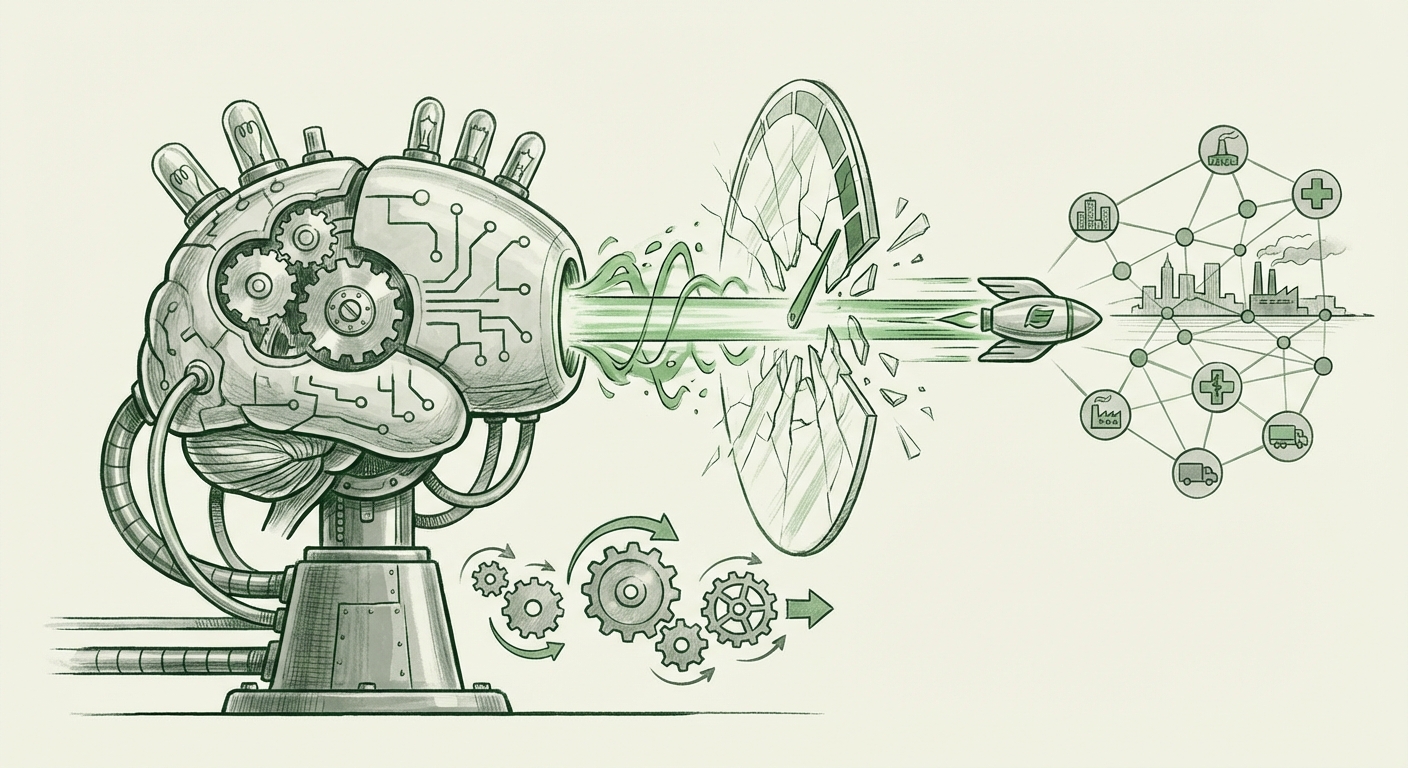
On April 25, 2026, a groundbreaking announcement from the UAE captured the world's attention: the nation aims to have half its government run by autonomous AI agents within just two years. This isn't merely an upgrade or a pilot program; it's a bold declaration of intent to fundamentally redefine public administration and governance through advanced artificial intelligence. This ambitious goal sets a new benchmark for AI integration on a national scale, signaling a monumental shift in how governments might operate in the very near future. The implications of such a move are profound, touching upon the future of AI itself, its practical uses, and the far-reaching effects on businesses and society globally.
To fully grasp the magnitude of the UAE's vision, we must delve into what "autonomous AI agents" truly mean in this context and what it implies to integrate them into such a significant portion of a nation's governing body within an incredibly tight deadline.
The Audacious Vision: Unpacking "Autonomous AI Agents" in Government
When the UAE states its goal of having "half its government run by autonomous AI agents within two years," it speaks volumes about its commitment to leading the charge in digital transformation. But what exactly does this entail?
Defining Autonomous AI Agents
At its core, an autonomous AI agent is a sophisticated software system designed to operate independently, making decisions and taking actions without constant human intervention. These agents are equipped with capabilities to:
- Perceive their environment: Gather and process information from various sources, much like a human observing the world.
- Make decisions: Based on the data they perceive and their programmed objectives, they can decide on the best course of action.
- Take action: Execute tasks, communicate with other systems, or interact with users to achieve their goals.
- Learn and adapt: Over time, they can improve their performance, learn from new data, and adjust their strategies.
In a government setting, this could mean AI agents handling tasks ranging from routine administrative processes to complex data analysis for policy recommendations, and even interacting directly with citizens to provide services or address inquiries. The key word here is "autonomous," meaning these agents aren't just tools; they are expected to take initiative and operate proactively within defined parameters.
The Scale: "Half Its Government"
The commitment to apply this technology to "half its government" is perhaps the most striking aspect of the UAE's announcement. This is not about automating a few departments or a handful of processes. It suggests a widespread, systemic integration across ministries, public services, and regulatory bodies. Such a scale implies a deep restructuring of governmental operations, impacting countless roles, workflows, and public interactions. It would transform how policies are formulated, how services are delivered, and how information is managed and utilized across the public sector.
The Timeline: "Within Two Years"
To achieve such a profound transformation by approximately April 2028 speaks to an unparalleled pace of implementation. This aggressive timeline suggests not only significant investment in AI technology and infrastructure but also a highly coordinated national strategy, robust regulatory frameworks, and rapid talent development. It positions the UAE as a global frontrunner, challenging other nations to accelerate their own AI adoption strategies.
Redefining Governance: Future of AI in Public Service
The UAE's ambition points to a future where artificial intelligence isn't just a supporting tool but a central nervous system for national governance. This paradigm shift holds the potential to redefine public service delivery and governmental efficiency.
Enhanced Efficiency and Service Delivery
Autonomous AI agents could significantly boost governmental efficiency. Imagine systems that:
- Automate routine tasks: Processing permits, renewing licenses, or managing public records could be handled faster and with fewer errors.
- Analyze vast datasets: AI can sift through massive amounts of economic, social, or environmental data to identify trends, predict outcomes, and inform policy decisions with greater accuracy and speed than human analysts.
- Personalize citizen services: AI chatbots and virtual assistants could provide 24/7 support, answer frequently asked questions, and guide citizens through complex processes, making government more accessible and responsive.
- Optimize resource allocation: AI can help governments better understand where resources are most needed, from urban planning to emergency response, leading to more effective public spending.
This level of integration could lead to a government that is not only faster and more efficient but also more proactive in serving its citizens' needs.
Policy Formulation and Implementation Support
Beyond administrative tasks, autonomous AI agents could play a crucial role in the policy lifecycle. By analyzing historical data, simulating potential impacts of new laws, and identifying unforeseen consequences, AI could offer invaluable insights to policymakers. While ultimate decisions would likely remain with human leaders, the AI would serve as an advanced intelligence layer, ensuring decisions are data-driven and robust.
Ethical Considerations and Challenges
However, the move towards autonomous AI in government is not without its significant challenges and ethical dilemmas. The very nature of autonomy in decision-making raises critical questions:
- Accountability: Who is responsible when an autonomous AI agent makes a mistake or an unfavorable decision? Is it the programmer, the deploying agency, or the AI itself?
- Bias and Fairness: AI systems learn from data. If that data reflects existing societal biases, the AI can perpetuate or even amplify them, leading to unfair or discriminatory outcomes in public services or law enforcement. Ensuring fair and unbiased AI is paramount.
- Transparency and Explainability: For trust to be built, it's crucial to understand how AI agents arrive at their decisions. The "black box" problem, where AI logic is opaque, must be addressed, especially when public welfare is at stake.
- Security and Resilience: Government systems handle highly sensitive data. Integrating AI at such a scale presents immense cybersecurity challenges. Protecting these autonomous systems from attacks or malfunctions is critical to national security and public trust.
The UAE's journey will undoubtedly serve as a critical case study for how these complex ethical and technical hurdles are addressed on a national scale.
Practical Implications for Businesses and Society
The UAE's bold step has ripple effects that extend far beyond its borders, shaping the global landscape for AI development, business opportunities, and societal expectations.
For Businesses: A New Frontier of Opportunity and Demand
This massive governmental AI initiative will inevitably create a surge in demand and open new avenues for businesses:
- AI Solution Providers: Companies specializing in AI development, machine learning, natural language processing, and robotic process automation will find immense opportunities. The government will become a significant client for bespoke AI solutions.
- Integration and Consulting Services: Implementing AI on such a scale requires expert integrators, consultants, and project managers who can bridge the gap between AI capabilities and government needs.
- Cybersecurity Firms: With increased reliance on autonomous systems, the need for robust cybersecurity solutions to protect critical infrastructure and sensitive data will skyrocket.
- Data Management and Analytics: AI thrives on data. Businesses offering services in data collection, cleaning, storage, and advanced analytics will be crucial partners.
- Workforce Development and Training: There will be a massive need for reskilling the existing government workforce and training new talent to operate, manage, and audit AI systems. Businesses offering AI education and training programs will flourish.
Furthermore, businesses operating within the UAE or looking to partner with its government will need to adapt quickly, understanding the new AI-driven regulatory and operational landscape.
For Society: Navigating a New Digital Contract
The societal implications are equally profound, transforming the relationship between citizens and their government:
- Improved Citizen Experience: The promise is faster, more efficient, and personalized public services, leading to greater citizen satisfaction and trust in government processes.
- Privacy Concerns: The deployment of AI agents that collect and process vast amounts of citizen data will heighten concerns about data privacy and surveillance. Governments will need to establish clear policies and robust safeguards to protect individual information.
- Job Market Evolution: While AI will automate many tasks, it will also create new jobs requiring different skills. Society will face the challenge of managing this transition, ensuring that education and training systems prepare individuals for the jobs of tomorrow.
- Trust and Acceptance: Public perception of AI in government will be critical. Explaining the benefits, ensuring transparency, and addressing ethical concerns will be vital for gaining public trust and widespread acceptance of these autonomous systems.
- Digital Inclusion: Ensuring that all segments of society can benefit from AI-powered government services, regardless of their digital literacy or access to technology, will be a major equity challenge.
The UAE's experiment will offer a glimpse into a future where the social contract between the state and its citizens is mediated by, and often executed through, intelligent machines.
Actionable Insights: Preparing for an AI-Powered Future
The UAE's ambitious goal serves as a clarion call for governments, businesses, and individuals worldwide to prepare for an accelerated future of AI integration.
For Governments Worldwide: Develop a Comprehensive AI Strategy
Other nations should observe the UAE's progress closely and consider:
- Crafting a National AI Strategy: Develop clear roadmaps for AI adoption, identifying key sectors and public services where AI can deliver the most impact.
- Prioritizing Ethical AI Governance: Establish robust legal and ethical frameworks for AI development and deployment, focusing on transparency, accountability, fairness, and data privacy.
- Investing in AI Infrastructure and Talent: Fund research, build digital infrastructure, and invest in education and training programs to cultivate a skilled AI workforce.
- Fostering Public-Private Partnerships: Collaborate with AI companies, academia, and startups to drive innovation and facilitate implementation.
- Engaging the Public: Educate citizens about AI, gather feedback, and address concerns to build public trust and ensure broad societal acceptance.
For Businesses: Innovate and Adapt
Businesses, especially those in the technology sector, must recognize the immense shifts underway:
- Focus on Specialized AI Solutions: Identify niches within government operations where AI can provide unique value, such as regulatory compliance, cybersecurity, citizen engagement, or data analysis.
- Prioritize Ethical AI Development: Build AI systems with fairness, transparency, and accountability as core design principles, as these will be critical for government contracts and public trust.
- Invest in Talent and Reskilling: Develop internal expertise in AI and prepare your workforce for collaboration with AI systems.
- Understand Regulatory Landscapes: Stay informed about evolving AI regulations and data governance standards, especially in regions like the UAE that are rapidly advancing.
For Individuals: Embrace Lifelong Learning
The evolving landscape calls for personal adaptation:
- Enhance Digital Literacy: Understand how AI works and its potential impact on daily life and work.
- Develop AI-Complementary Skills: Focus on skills that AI cannot easily replicate, such as critical thinking, creativity, emotional intelligence, and complex problem-solving.
- Engage in the Conversation: Participate in discussions about AI ethics, policy, and its role in society to help shape a beneficial future.
Conclusion: A Global Bellwether for AI in Governance
The UAE's audacious goal, declared on April 25, 2026, to have half its government run by autonomous AI agents within two years is more than just a national ambition; it's a global declaration of a new era in governance. It represents an unprecedented leap towards integrating advanced AI into the very fabric of public administration. While the specific details of its implementation remain to be seen, the statement itself acts as a powerful signal: the future of AI is not merely about enhancing tools, but about fundamentally reimagining operational paradigms.
This initiative will undoubtedly serve as a crucial testbed, offering invaluable lessons—both successes and challenges—for nations worldwide contemplating similar transformations. The path ahead will demand rigorous ethical considerations, robust technical solutions, and a delicate balance between efficiency and human oversight. As the world watches the UAE's journey unfold, it becomes increasingly clear that the conversation around artificial intelligence has moved beyond theoretical debates to practical, large-scale implementation. The era of AI-powered governance is not just coming; for some, it is already here, and its implications will shape the future of our societies for decades to come.