Nvidia Nemotron 3 Nano Omni: Unpacking What Really Makes Modern Multimodal AI Tick and Its Future Impact
The world of Artificial Intelligence is evolving at an unprecedented pace, with new breakthroughs constantly reshaping our understanding of what machines can achieve. A significant milestone was recently highlighted with the revelation of Nvidia's Nemotron 3 Nano Omni, a cutting-edge multimodal AI model. Released on 2026-04-29, this model provides a fascinating glimpse into the intricate engineering and advanced capabilities that define modern AI. It’s not just another AI model; it’s a blueprint for the future, demonstrating how diverse data types can converge into a unified, intelligent system.
For years, AI models have excelled in specific domains – language models for text, computer vision models for images, and audio processing models for sound. While impressive, these specialized AIs often operated in silos. The true revolution lies in multimodal AI, which aims to mimic human perception by integrating and understanding information from various senses simultaneously. Nvidia's Nemotron 3 Nano Omni stands as a prime example of this paradigm shift, offering a comprehensive view into the complex inner workings of such a system.
What is Multimodal AI and Why Nemotron 3 Nano Omni is a Game-Changer
Multimodal AI models are designed to process and understand data from multiple modalities, such as text, images, audio, and video. Humans naturally perceive the world multimodally; we see, hear, speak, and interact using a combination of senses. For AI to truly approach human-like intelligence, it must also learn to interpret and integrate this rich tapestry of information.
Nvidia's Nemotron 3 Nano Omni is engineered to do exactly this, going beyond traditional boundaries. This model is capable of processing and generating content based on a combination of language, vision, audio, and motion (kinetics). This level of sensory integration is what sets it apart and paves the way for a new generation of intelligent applications. The model isn't just concatenating different inputs; it's designed for a deeper, more unified understanding across these diverse data types. The underlying data used for training such a sophisticated model is equally diverse, comprising text, image, video, audio, and 3D data.
The Architecture Beneath the Intelligence: Mixture of Experts and Specialized Encoders
The "what really goes into" a modern multimodal model like Nemotron 3 Nano Omni is a story of sophisticated architectural design. It leverages a technique known as a mixture of experts (MoE). Imagine a team of highly specialized professionals, each an expert in a particular field, all working together under a central coordinator. When a complex problem arises, the coordinator directs the relevant experts to contribute their knowledge, leading to a more efficient and precise solution than any single generalist could provide.
In Nemotron 3 Nano Omni, this translates to specific "expert" modules within the model, each fine-tuned to handle a particular modality or aspect of the data. Furthermore, the model employs specialized encoders for each modality. These encoders are like translators, converting raw data from different sources (e.g., pixels from an image, sound waves from audio, textual characters) into a common language that the central AI system can understand and process. This modular approach allows the model to be both highly performant and incredibly versatile, enabling it to excel across a wide range of multimodal tasks.
The "Nano" Advantage: Efficiency and On-Device Deployment
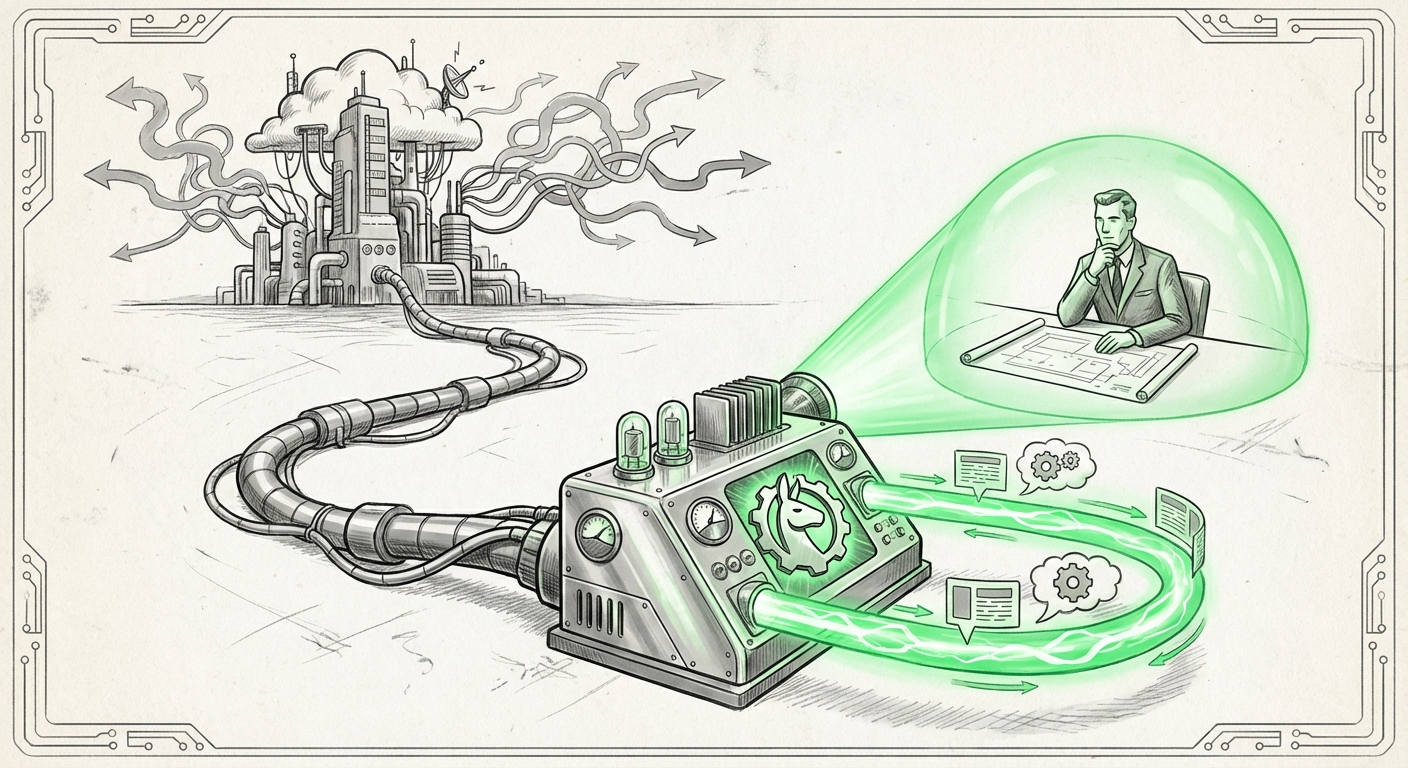
The inclusion of "Nano" in the model's name is highly significant. While multimodal models are inherently complex due to the vast amounts of data they process and the intricate architectures they employ, the trend is moving towards making these powerful AIs more efficient and deployable in resource-constrained environments. This focus on "nano" suggests an emphasis on creating models that are compact enough to run directly on devices – what's known as edge AI – rather than relying solely on massive cloud data centers.
The ability to run advanced multimodal AI on local devices opens up a plethora of possibilities. Imagine a smart home assistant that can not only understand your spoken commands but also interpret your gestures, analyze your environment through vision, and even detect the tone of your voice, all without sending your data to the cloud. This emphasis on efficiency and on-device capability is a critical step towards ubiquitous, pervasive AI that integrates seamlessly into our daily lives, offering enhanced privacy and reduced latency.
What This Means for the Future of AI: Towards Truly Integrated Intelligence
The advent of models like Nemotron 3 Nano Omni marks a pivotal moment in the journey towards Artificial General Intelligence (AGI). For decades, AGI has been a distant dream, but the capability to unify understanding across disparate data types brings us closer than ever. Here’s what this trend signifies for the future of AI:
Bridging the Sensory Gap
Future AI systems will no longer be limited to single sensory inputs. They will perceive the world more holistically, much like humans do. This means AI can understand context in a much richer way – knowing that a specific sound, combined with a particular visual, indicates a certain event, or that a gesture complements a verbal command. This bridging of the sensory gap will make AI interactions feel more natural and intuitive.
Enhanced Human-Computer Interaction
Our interaction with technology is set to become profoundly more natural. Imagine conversing with an AI that not only understands your words but also reads your facial expressions, interprets your body language (motion/kinetics), and picks up on the emotional nuances in your voice (audio). This integrated understanding will lead to more empathetic and responsive AI assistants, educational tools, and support systems.
The Rise of Smarter Robotics and Autonomous Systems
Robots are no longer just mechanical arms in factories or simplistic vacuum cleaners. With multimodal AI, robots can develop a far more sophisticated understanding of their environment. A future robot equipped with Nemotron 3 Nano Omni-like capabilities could navigate complex human environments, understand spoken requests, identify objects, interpret human intentions from gestures, and even learn from demonstrating actions. This is crucial for developing truly intelligent autonomous vehicles, service robots, and exploration drones that can operate effectively and safely in dynamic, unpredictable real-world scenarios.
Towards Contextually Aware AI
The ability to integrate multiple data types allows AI to build a much richer, more contextual understanding of situations. Instead of just identifying objects in a photo, multimodal AI can understand the narrative of a video, the emotion in a speech, or the intent behind a series of movements. This contextual awareness is fundamental for advanced decision-making, problem-solving, and creative tasks that currently require human-level reasoning.
Practical Implications for Businesses and Society
The practical implications of advanced multimodal AI are vast and cut across virtually every sector. Businesses and societies worldwide will need to adapt and innovate to harness the power of these integrated systems.
For Businesses: Unlocking New Products and Services
- Next-Generation Customer Service: Imagine AI agents that can not only process your words but also analyze your tone of voice, detect frustration in your speech, or interpret complex queries from combined text and screenshots. This leads to more effective and personalized support.
- Revolutionizing Product Design and Development: Businesses can leverage multimodal AI for more intuitive user interfaces (UI/UX). Products could respond to gestures, voice commands, and even subtle environmental cues, making technology more accessible and user-friendly.
- Advanced Data Analytics: Multimodal AI can find correlations and insights across disparate data sources that human analysts might miss. Analyzing customer feedback from text reviews, product usage videos, and audio calls simultaneously can reveal deeper trends and preferences.
- Enhanced Automation and Efficiency: In industries like manufacturing, logistics, and healthcare, multimodal AI can power smarter automation. Robots can perform more complex tasks requiring visual inspection, auditory anomaly detection, and precise physical interaction.
- Personalized Experiences at Scale: From adaptive learning platforms that adjust based on a student's engagement and understanding (detected via gaze, voice, and input) to hyper-personalized retail experiences that respond to a customer's real-time mood and preferences, multimodal AI will drive unprecedented levels of personalization.
- Edge AI Applications: The "Nano" aspect means businesses can deploy powerful AI directly on devices, reducing reliance on cloud infrastructure. This is critical for smart cameras, industrial IoT, AR/VR devices, and autonomous systems where real-time processing and data privacy are paramount.
For Society: Transforming Daily Life and Addressing Grand Challenges
- Improved Accessibility: Multimodal AI can significantly enhance accessibility for individuals with disabilities. For instance, systems could translate sign language in real-time, provide rich descriptive audio for visually impaired users, or offer alternative input methods based on eye tracking or subtle movements.
- Smarter Cities and Infrastructure: AI that can simultaneously analyze traffic camera footage, listen for emergency sirens, and monitor environmental sensors can create more responsive and safer urban environments.
- Healthcare Innovations: Multimodal AI could assist in diagnosing complex conditions by integrating patient history (text), medical images (vision), vocal biomarkers (audio), and gait analysis (motion). It could also power intelligent prosthetics or assistive devices that respond more naturally to user intent.
- Education Evolution: Personalized learning experiences could become far more sophisticated, with AI tutors adapting to a student's learning style, emotional state, and progress across various modalities.
- Ethical Considerations: As AI becomes more pervasive and capable of understanding human intent and emotion, the ethical implications become more pronounced. Issues of privacy, bias, surveillance, and autonomous decision-making will require careful consideration and robust regulatory frameworks. Society must grapple with questions about who controls these powerful systems and how their use aligns with human values.
Actionable Insights for Businesses and Developers
To thrive in a future shaped by multimodal AI, businesses and developers must take proactive steps:
- Invest in Multimodal Data Strategies: Start collecting, curating, and annotating diverse datasets that span text, images, audio, video, and 3D. The quality and breadth of your data will be a critical differentiator.
- Explore Edge AI Deployments: Evaluate where on-device AI can add value to your products and services. Consider the benefits of lower latency, enhanced privacy, and reduced operational costs associated with moving AI processing closer to the data source.
- Upskill Your Teams: Train your data scientists, engineers, and product managers in multimodal AI techniques, including mixture of experts architectures, specialized encoders, and the unique challenges of integrating different data streams.
- Pilot Multimodal Applications: Identify specific use cases where integrating multiple modalities can solve existing problems or create new opportunities. Start with pilot projects to gain experience and demonstrate value.
- Prioritize Ethical AI Development: Integrate ethical considerations from the outset. Develop responsible AI frameworks that address bias, fairness, transparency, and privacy, especially given the intimate nature of multimodal understanding.
- Foster Cross-Disciplinary Collaboration: Encourage collaboration between teams specializing in different AI modalities (e.g., computer vision experts working with natural language processing specialists) to foster a holistic approach to AI development.
- Stay Abreast of Hardware Innovations: Multimodal AI often requires significant computational power. Keep an eye on advancements in specialized AI hardware, like Nvidia's own GPUs, which are designed to accelerate these complex workloads.
Conclusion: A Glimpse into the AI-Powered Future
Nvidia's Nemotron 3 Nano Omni is more than just a technological feat; it's a profound indicator of the direction in which AI is heading. By revealing the intricate details of a modern multimodal model – from its blend of specialized encoders and mixture of experts architecture to its capability across language, vision, audio, and motion – Nvidia has offered us a clear view of what’s to come. This focus on building truly integrated, on-device intelligence is not just about making AI smarter; it's about making it more accessible, more intuitive, and ultimately, more human-like in its perception and interaction.
The future of AI is multimodal, contextually aware, and increasingly embedded in the fabric of our world. As businesses and societies adapt to these transformative capabilities, the opportunities for innovation are boundless. The insights gleaned from Nemotron 3 Nano Omni underscore a future where AI acts not as a mere tool, but as a perceptive, adaptive, and increasingly indispensable partner in navigating the complexities of modern life.