Beyond Licenses: Why 'Intense Usage' is the Future of AI Success, According to Microsoft's CEO
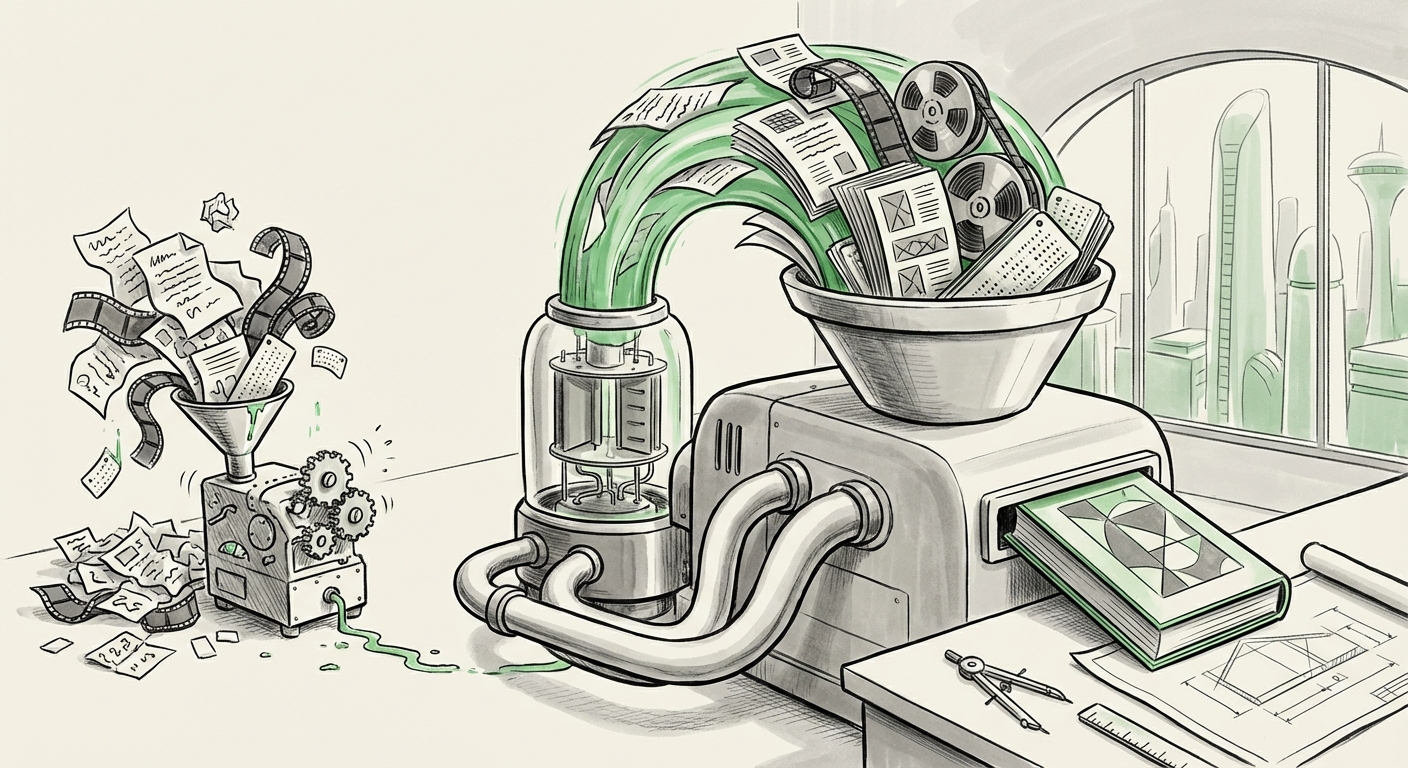
In a world rapidly embracing artificial intelligence, a profound shift in how we measure its success is underway. Microsoft CEO Satya Nadella, in an important statement published on 2026-04-30 by the-decoder.com, declared that "AI success is more about getting intense users and intense usage" than simply counting "seat counts." This isn't just a corporate insight; it's a critical signal for the future of AI, pointing to a new era where depth of engagement, value creation, and true integration will matter far more than mere adoption numbers.
Nadella's words challenge the traditional software metric of "seat counts"—the number of licenses sold or users with access. While a high seat count might look good on paper, it doesn't always show how much value a technology truly brings. For AI, especially, the real power comes not from having it, but from how it's used, how deeply it's woven into daily tasks, and how much it helps people and businesses achieve their goals. This article will explore what "intense usage" truly means, its implications for businesses and society, and the actionable steps required to thrive in this evolving AI landscape.
The Shifting Sands of AI Metrics: From Quantity to Quality
For decades, the success of software has often been measured by how many people bought it or signed up for it. "Seat counts" were the go-to metric, showing how widely a product was adopted. However, this approach misses a crucial point: a tool gathering dust is no success, no matter how many people own it. This is especially true for AI, which is designed to be a transformative partner, not just another application.
Nadella's emphasis on "intense users and intense usage" signals a maturity in the AI market. It acknowledges that the initial rush to simply deploy AI is giving way to a more thoughtful, value-driven approach. What does "intense usage" look like in practice? It means:
- Deep Integration: AI isn't just an add-on; it's embedded directly into workflows, decision-making processes, and daily tasks. Users rely on it consistently for critical functions.
- Tangible Impact: Users are actively using AI to solve complex problems, boost their productivity, innovate, and create new value, leading to measurable improvements in efficiency, quality, or new opportunities.
- Skill Development: Users are not just passively consuming AI outputs but are actively learning to prompt, refine, and direct AI models, becoming "AI-augmented" professionals.
- Continuous Engagement: The use is sustained and evolving, indicating that users are finding new ways to leverage AI's capabilities as they become more familiar and skilled.
This shift from quantity (seat counts) to quality (intense usage) means that the true measure of AI's success will be found in its ability to drive meaningful outcomes, rather than just its presence on a user's device or in a company's software stack.
The Future of AI: Beyond General Purpose to Deep Utility
Nadella's vision suggests a future where AI isn't just a broad, general-purpose tool, but a highly effective, deeply integrated utility. This focus on intense usage will shape how AI technologies are developed and deployed.
Designing for Depth, Not Just Breadth
AI developers and companies will need to shift their focus. Instead of just adding new features to attract a wider user base, they will concentrate on making existing features more powerful, intuitive, and deeply integrated into specific workflows. This means:
- Hyper-Personalization: AI systems will become even better at understanding individual user needs, preferences, and work styles, offering tailored assistance that feels indispensable.
- Contextual Intelligence: Future AI will be highly aware of the context in which it operates, seamlessly pulling in relevant information and providing assistance that is precise and timely, making it easier for users to become "intense."
- Seamless Integration: AI will be designed to integrate effortlessly with other tools and platforms, reducing friction and making its use feel natural rather than forced.
- Specialized Solutions: We will see more industry-specific or role-specific AI solutions that cater to the unique needs of professionals in fields like medicine, engineering, law, or creative arts, enabling highly focused and impactful usage.
The goal will be to create AI that users don't just "try," but "live with" and rely on, day in and day out, because it genuinely enhances their capabilities and productivity.
Practical Implications for Businesses: Re-evaluating AI Strategy
For businesses, Nadella's insight is a clear call to action: simply buying AI licenses isn't enough. Companies must fundamentally rethink their AI strategies to prioritize deep engagement and measurable impact.
Strategic Investment Beyond Licensing
The budget for AI can no longer stop at software costs. Businesses need to invest strategically in:
- Training and Upskilling: Equipping employees with the skills to effectively use and interact with AI tools. This goes beyond basic tutorials to advanced prompt engineering, critical thinking, and understanding AI's limitations.
- Workflow Redesign: Actively identifying and restructuring business processes to maximize AI's transformative potential. This may involve revisiting long-standing practices and embracing new ways of working.
- Data Quality and Governance: Ensuring that the data fed into AI systems is high-quality, relevant, and properly managed. Intense AI usage relies heavily on robust, clean data.
- Change Management: Guiding employees through the adoption curve, addressing concerns, and fostering a culture where AI is seen as an empowering co-pilot rather than a threat.
These investments are crucial for converting "seat counts" into "intense usage" and unlocking true value.
Measuring What Matters: From Adoption to ROI
Businesses must shift their success metrics. Instead of tracking how many employees have access to an AI tool, they should measure:
- Productivity Gains: How much faster or more efficiently tasks are completed.
- Quality Improvements: The reduction in errors, or the increase in output quality.
- Innovation & New Capabilities: How AI enables new products, services, or problem-solving approaches.
- Employee Satisfaction & Empowerment: How AI makes work more engaging, less tedious, or more impactful for employees.
- Cost Savings: Reductions in operational expenses due to AI-driven efficiencies.
This data-driven approach allows companies to prove the return on their AI investment and continuously optimize their AI strategy.
Cultivating an "AI-First" Culture
To foster intense usage, organizations need to create an environment where AI is encouraged and explored. This means:
- Leadership Buy-in: Leaders must champion AI integration and demonstrate its value.
- Experimentation: Providing safe spaces for employees to experiment with AI, share best practices, and discover novel use cases.
- Feedback Loops: Establishing clear channels for users to provide feedback to IT and AI development teams, enabling continuous improvement of AI tools within the organization.
Societal Implications: The Human Element of AI Engagement
The drive for "intense usage" also has significant implications for society, particularly concerning skills, ethics, and the evolving nature of work.
The New Skill Divide: Who Gets "Intense"?
If AI success hinges on intense usage, it raises questions about access and opportunity. Will the benefits of AI be concentrated among those with the skills, resources, and inclination to use it deeply? This could create a new kind of digital divide between "casual users" and "intense users." Governments, educational institutions, and businesses will have a shared responsibility to provide widespread AI literacy and training programs to ensure broad access to these critical skills.
Ethical Considerations Deepen with Deeper Integration
As AI becomes more intensely integrated into decision-making and daily life, the ethical stakes rise. Issues of bias, privacy, transparency, and accountability become even more critical. Companies pushing for intense usage must prioritize responsible AI development and deployment, ensuring their systems are fair, secure, and understandable. Society will demand greater clarity on how intensely used AI influences critical outcomes.
Workforce Transformation: Augmented Human Intelligence
Intense usage implies AI is not simply replacing human labor but augmenting it. The future workforce will be characterized by humans working hand-in-hand with AI, where human creativity, critical thinking, and emotional intelligence are amplified by AI's processing power and data analysis capabilities. This shift requires a focus on lifelong learning and adaptability, as roles evolve from performing tasks to managing and collaborating with intelligent systems.
Actionable Insights for the AI-Driven Future
For individuals, businesses, and AI developers alike, the path forward is clear: embrace the call for intense usage.
For AI Developers and Providers:
- Focus on Usability and Value: Design AI tools that are intuitive, reliable, and demonstrably add value to specific tasks, making it easy for users to integrate them deeply.
- Enable Customization: Offer robust customization options, allowing users to tailor AI to their unique needs and workflows, fostering a sense of ownership and deeper engagement.
- Provide Excellent Support & Training: Beyond just selling licenses, invest in resources that help users become truly proficient and confident "intense users."
- Measure Impact, Not Just Downloads: Shift internal success metrics to reflect user engagement, productivity gains, and genuine problem-solving.
For Business Leaders:
- Develop a Comprehensive AI Strategy: Go beyond pilot projects. Create a strategy that outlines how AI will be integrated into core business functions, with clear objectives for value creation.
- Invest in Your People: Prioritize training programs that teach employees how to effectively use, prompt, and collaborate with AI tools. Foster an experimental mindset.
- Redesign Workflows: Identify processes where AI can deliver significant impact and be prepared to adapt existing workflows to leverage AI's full potential.
- Define and Track Real Metrics: Move beyond simple adoption rates. Measure actual business outcomes like increased efficiency, reduced costs, improved customer satisfaction, or accelerated innovation.
For Individuals and Professionals:
- Become an "Intense User": Actively seek opportunities to learn and apply AI tools in your daily work. Experiment with different prompts, explore advanced features, and integrate AI into your problem-solving process.
- Focus on AI Literacy: Understand the capabilities and limitations of AI. Learn to critically evaluate AI outputs and use AI as a strategic partner, not just a magic black box.
- Develop Complementary Skills: Hone your creativity, critical thinking, ethical reasoning, and problem-solving skills – qualities that AI enhances but does not replace.
Conclusion
Satya Nadella's statement in 2026 marks a pivotal moment in the AI journey. It's a clear signal that the novelty phase of AI is ending, and we are entering an era where the true measure of success will be found in meaningful, deep engagement. The focus is shifting from simply having AI to actively and intensely leveraging its capabilities to drive real-world transformation. For AI developers, this means building tools that are indispensable. For businesses, it means strategic investment in integration, training, and outcome-based measurement. For individuals, it means embracing AI as a powerful partner and developing the skills to become an "intense user." As we move forward, the companies and individuals who master intense AI usage will be the ones who truly unlock its boundless potential, shaping a future where AI is not just present, but profoundly impactful.