Government Gets Early Access to AI: What Does Pre-Release National Security Testing Mean for AI's Future?
The landscape of artificial intelligence is rapidly evolving, with breakthrough innovations emerging at an unprecedented pace. But as AI systems become more powerful and integrated into critical infrastructure, a significant new development signals a fundamental shift in how this technology will be governed and deployed. As of 2026-05-05, the US government has secured pre-release access to AI models from five major labs for national security testing. This isn't just a minor regulatory tweak; it's a pivotal moment that will reshape the future of AI, influencing everything from development cycles and ethical considerations to global power dynamics and societal trust.
This unprecedented access underscores a growing recognition that advanced AI models, while offering immense potential, also pose unique risks, especially when considering national security. The implications of this move are far-reaching, affecting AI developers, businesses across all sectors, governments worldwide, and ultimately, every citizen. Let's delve into what this critical development means for the trajectory of AI, how it will be used, and the practical consequences for those building and adopting these powerful tools.
The New Reality: Government Oversight at the Forefront of AI Development
The core trend highlighted by the 2026-05-05 announcement is the institutionalization of government oversight at an incredibly early stage of AI development. Historically, groundbreaking technologies have often been developed in a relatively unfettered environment before governments step in with regulations. With AI, particularly highly advanced models, the stakes are perceived to be too high to wait.
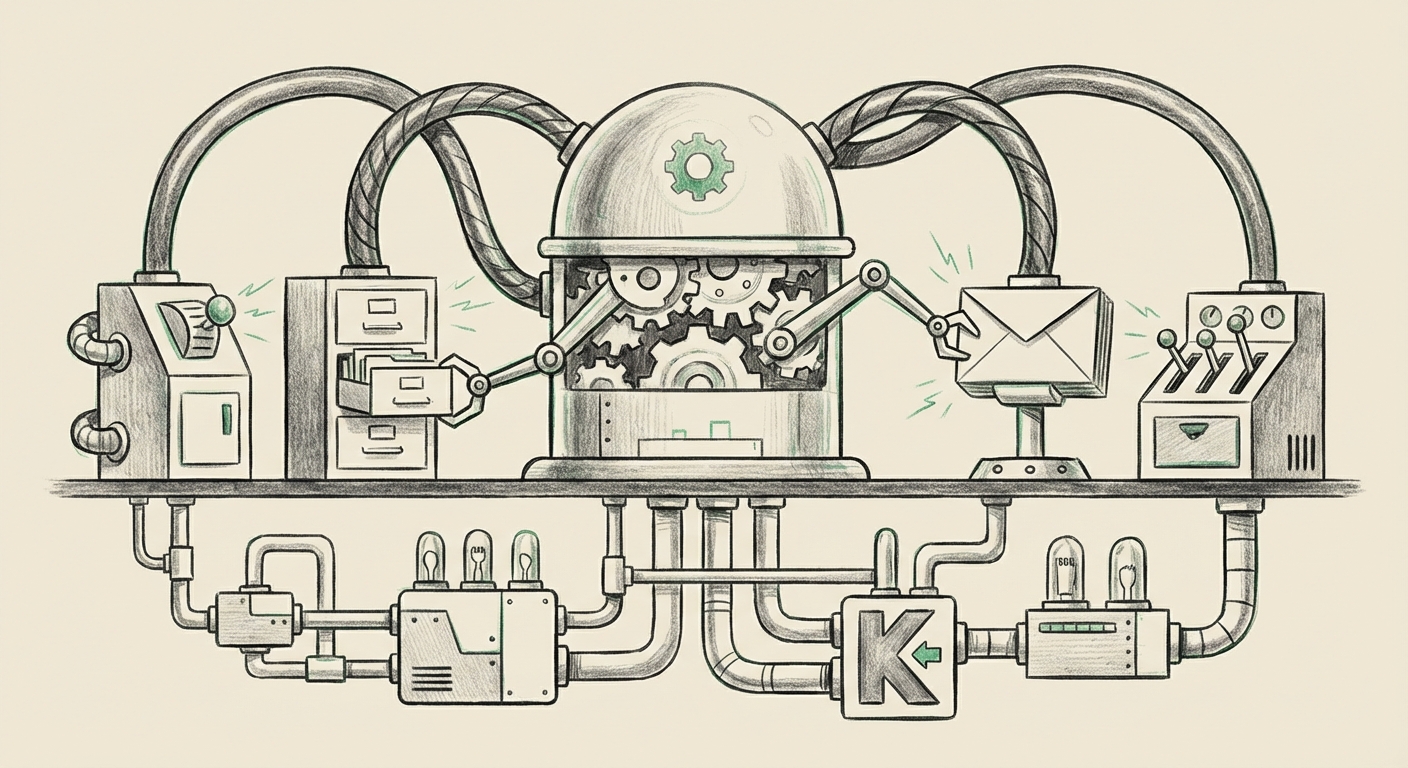
Pre-release access means that before these cutting-edge AI models are made available to the general public or even to other commercial entities, they undergo rigorous evaluation by US government experts. This process is explicitly for "national security testing," suggesting a focus on identifying vulnerabilities, biases, potential for misuse, and assessing their robustness in critical applications. The involvement of "five major labs" indicates that this isn't a niche agreement but a broad initiative encompassing some of the most influential players in the AI ecosystem.
This early intervention reflects several key concerns:
- Dual-Use Dilemmas: Advanced AI often possesses dual-use capabilities, meaning it can be leveraged for both beneficial purposes (e.g., medical diagnostics, climate modeling) and harmful ones (e.g., autonomous weapons, sophisticated disinformation campaigns). Governments want to understand and potentially mitigate the latter.
- Systemic Risks: As AI integrates into critical infrastructure, finance, energy, and defense, failures, biases, or malicious manipulation could have catastrophic consequences at a national level. Early testing aims to prevent such systemic risks.
- Geopolitical Competition: The race for AI dominance is a strategic imperative for many nations. Ensuring the safety and security of domestically developed AI, and understanding its limits, is vital for national competitiveness and defense.
- Ethical Safeguards: Beyond immediate security threats, there are profound ethical considerations surrounding powerful AI, including privacy, surveillance, and autonomous decision-making in conflict. Early access allows governments to push for ethical guardrails from the outset.
Analyzing the Future of AI: Safety, Standardization, and State Influence
The implications of this pre-release access for the future trajectory of AI are profound and multifaceted. We can expect significant shifts in how AI is designed, developed, and deployed.
A Renewed Focus on Responsible AI and Safety-by-Design
This initiative will undoubtedly accelerate the industry's focus on responsible AI development. If models are subject to national security scrutiny before release, developers will have a powerful incentive to embed safety, robustness, and explainability into their AI architectures from the ground up. This means:
- Enhanced Testing Regimes: AI labs will likely adopt even more stringent internal red-teaming, adversarial testing, and bias detection protocols to pre-empt government findings.
- Transparency and Explainability: The government will likely demand a deeper understanding of how these complex models arrive at their decisions, pushing for greater transparency and explainability in AI design.
- Security Hardening: Emphasis will shift towards making models resilient to cyberattacks, data poisoning, and other forms of manipulation.
The notion of "safety-by-design" will move from a best practice to a regulatory imperative, driven by national security concerns. This could lead to a more secure and trustworthy AI ecosystem overall, benefiting not just government applications but also commercial and consumer uses.
The Emergence of AI Development Standards and Benchmarks
Government testing will naturally lead to the development of specific standards and benchmarks for AI safety and performance, especially concerning national security applications. These could cover:
- Performance metrics under stress.
- Acceptable levels of bias in sensitive decision-making contexts.
- Robustness against various attack vectors.
- Compliance with data privacy and ethical guidelines.
While initially focused on government use, these standards could eventually permeate the broader industry, influencing how all AI models are evaluated and certified. This could create a common language for AI safety, fostering greater interoperability and trust.
Increased State Influence and Potential for Centralization
Pre-release access grants governments a significant degree of influence over the direction of AI innovation. While the goal is security, this could also subtly guide research priorities towards areas deemed strategically important by the state. This raises questions about:
- Innovation vs. Control: How will the balance be struck between fostering rapid innovation and ensuring state control over potentially dangerous capabilities?
- "National Champions": Will the five major labs involved gain a strategic advantage or face increased burdens compared to smaller or international AI developers?
- Global Fragmentation: Other nations may follow suit, leading to a more fragmented global AI landscape where different geopolitical blocs develop and regulate AI according to their own national interests and values.
The long-term impact could be a more centralized and state-influenced AI development model, particularly for frontier models, contrasting with the open-source and decentralized movements seen in other tech sectors.
Practical Implications for Businesses and Society
The ramifications of this government access extend far beyond the research labs and into boardrooms, regulatory bodies, and public discourse.
For AI Developers and Labs
For the "five major labs" and others aspiring to develop frontier AI models, the practical implications are immediate and significant:
- Compliance Burden: Expect increased demands for documentation, testing results, and engagement with government agencies. This will require new internal processes, teams, and potentially slower development cycles for critical models.
- Strategic Partnerships: Collaborating with government agencies might become a competitive advantage, potentially opening doors to funding, specialized resources, and early feedback that improves model safety and resilience.
- Reputational Risk/Benefit: Successfully passing national security scrutiny could boost public trust and marketability, positioning a lab as a leader in responsible AI. Conversely, failing to meet standards could lead to reputational damage.
- Talent Acquisition: There will be a growing need for engineers and researchers with expertise in AI safety, security, ethics, and compliance, potentially leading to a competitive market for such skills.
For Businesses Adopting AI
Companies across all sectors leveraging AI, particularly for mission-critical functions, will also be affected:
- Increased Trust and Assurance: If the foundational models have undergone government-level national security testing, businesses might have greater confidence in their stability and security, potentially accelerating adoption in sensitive areas.
- Supply Chain Scrutiny: Companies will need to ask tougher questions about the provenance and testing of the AI models they integrate, extending due diligence to include governmental safety clearances where relevant.
- New Product Opportunities: The emphasis on secure and safe AI could spur a new wave of products and services focused on AI governance, auditing, and compliance, creating a new market segment.
- Ethical Frameworks: Businesses will need to develop robust internal ethical AI frameworks that align with evolving national guidelines, ensuring their AI use cases are justifiable and transparent.
For Society and Citizens
The public will experience the effects of this shift through both enhanced security and potential concerns:
- Enhanced National Security: Theoretically, pre-release testing should lead to safer AI deployment in critical government functions, reducing risks from adversarial AI and ensuring more reliable national defense and public services.
- Privacy and Surveillance Concerns: While the testing is for national security, the precise nature of access and data handling will raise questions about citizen privacy and potential for expanded government surveillance capabilities. Transparency from both labs and government will be crucial.
- Public Trust in AI: The perception of AI as a regulated and safe technology could increase public acceptance. However, if the process lacks transparency or if incidents occur despite testing, trust could erode quickly.
- Ethical Debates Intensify: The involvement of national security in AI development will undoubtedly amplify existing ethical debates around autonomous systems, decision-making biases, and the military application of AI.
- Global Governance: This move sets a precedent. Other nations, particularly those with strong central governments, may adopt similar or even more stringent pre-release review processes, leading to a complex web of international AI regulations and potentially divergent technological paths.
Actionable Insights for the AI Ecosystem
Given this new reality, stakeholders must adapt proactively:
- For AI Developers:
- Invest in AI Safety & Security: Make robust testing, bias detection, explainability, and adversarial resilience core components of your development lifecycle, not afterthoughts.
- Engage with Policymakers: Foster open communication channels with government agencies to understand evolving requirements and contribute to the shaping of sensible AI policies.
- Prioritize Transparency: Be prepared to articulate your safety measures, ethical guidelines, and testing methodologies clearly to both government bodies and the public.
- For Businesses Adopting AI:
- Conduct Rigorous Vendor Due Diligence: Understand how your AI providers address safety, security, and national security implications. Inquire about their government compliance efforts.
- Develop Internal AI Governance: Establish clear policies, ethical guidelines, and audit procedures for AI deployment within your organization, aligning with emerging best practices and regulatory trends.
- Stay Informed: Monitor developments in AI regulation and national security policies closely, as these will influence market standards and public perception.
- For Policymakers and Governments:
- Balance Oversight with Innovation: Design regulatory frameworks that ensure safety without stifling the rapid pace of AI innovation.
- Foster Expertise: Invest in developing governmental expertise in advanced AI to ensure effective and informed testing and evaluation.
- Promote International Cooperation: Work with allies to develop common standards and approaches to AI safety and governance to prevent fragmentation and foster a secure global AI ecosystem.
- For Society and Advocates:
- Demand Transparency: Advocate for clear reporting on AI testing processes, findings, and the safeguards in place to protect civil liberties.
- Participate in Dialogue: Engage in public discourse on the ethical implications of advanced AI and its intersection with national security to ensure societal values are represented.
Conclusion: A New Era of Governed AI
The US government's pre-release access to AI models from five major labs for national security testing, announced on 2026-05-05, marks a definitive pivot point in the history of AI. It signals an era where the development of powerful AI will be inextricably linked with national security imperatives and governmental oversight. This proactive approach aims to harness the benefits of AI while mitigating its profound risks, particularly those that could impact national stability and security.
While this move promises a future with potentially safer, more robust, and ethically considered AI systems, it also ushers in complex challenges. Striking the right balance between rapid innovation, robust security, and the preservation of civil liberties will be the defining challenge of this new era. The future of AI will not be shaped by technologists alone; it will be a collaborative endeavor, or a contentious one, among innovators, governments, and society, all navigating the powerful currents of this transformative technology.