NVIDIA Nemotron Omni: The Multimodal Brain Powering the Next Generation of AI Agents
In the fast-paced world of artificial intelligence, a new model has emerged that promises to change how machines understand and interact with the world. On May 6, 2026, a groundbreaking article titled "The Sequence AI of the Week Inside Nemotron Omni: NVIDIA’s New Multimodal Brain for Agents" was published, detailing a major leap forward. This new AI, called Nemotron Omni by NVIDIA, is not just another language model. It is a multimodal brain designed specifically for AI agents—programs that can act on their own to complete tasks. This article will unpack what makes Nemotron Omni special, why it matters for the future of AI, and how businesses and society can prepare for this shift. We'll explore everything from the core technology to real-world applications, all in straightforward language that highlights the practical impact.
What Exactly Is Nemotron Omni?
At its heart, Nemotron Omni is a multimodal AI model. The word "multimodal" means it can process and understand different types of data at the same time. Think of a human brain: you can see a picture, read the text next to it, hear a sound, and understand it all together. Traditional AI models often specialize in just one area, like text or images. Nemotron Omni is built to handle multiple inputs—text, images, audio, video, or a mix—simultaneously. This is not just about combining data; it is about understanding the connections between them. For instance, when an AI agent sees a video of a person cooking, it can also read the recipe text and hear the instructions, all as one cohesive experience.
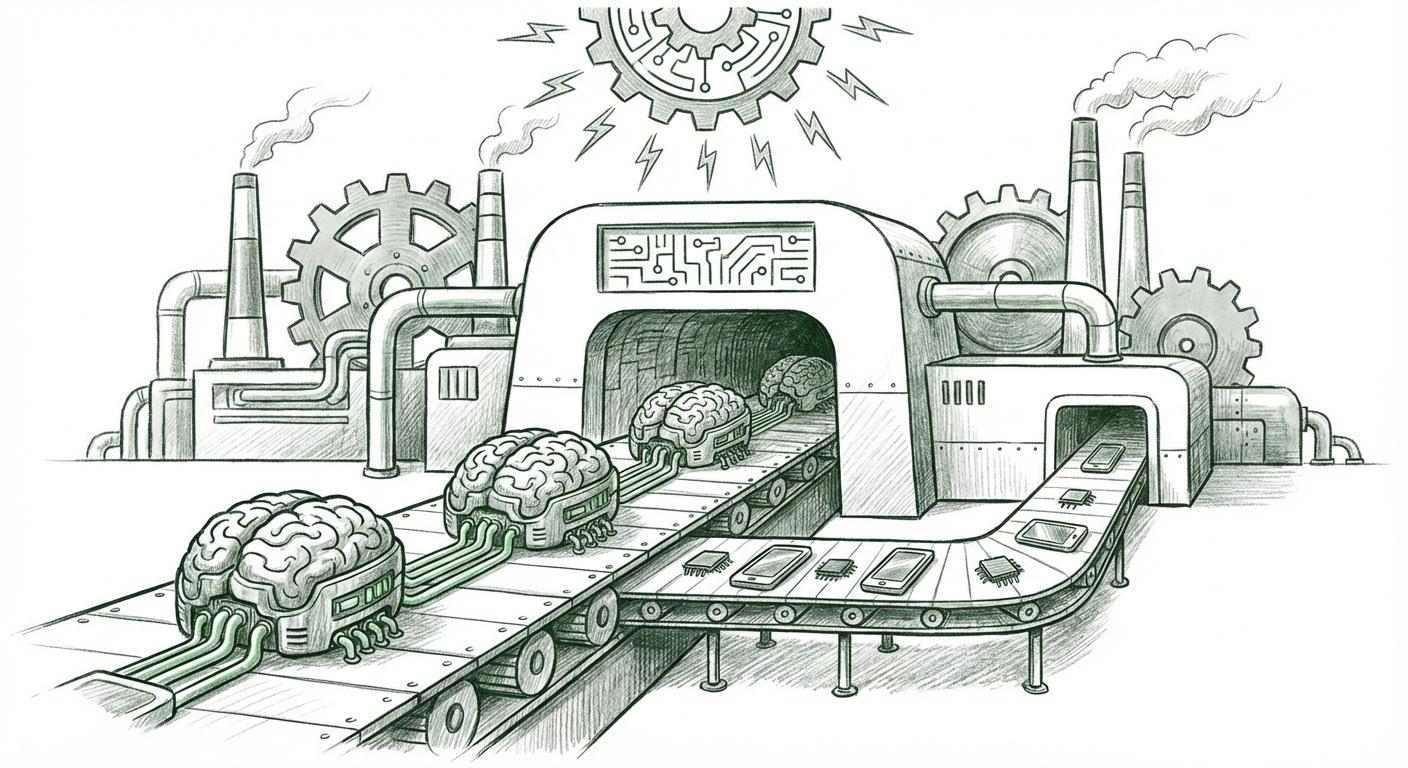
The model is described as a "brain for agents." An AI agent is a program that does not just answer questions; it performs actions. It might book a flight, manage a schedule, control a robot, or analyze a factory floor. For an agent to be truly useful, it needs to sense the world in many ways, just like a person does. Nemotron Omni provides that foundation. It is designed to be the central processing unit for these agents, giving them the ability to perceive, reason, and act based on a rich understanding of their environment. This represents a shift from simple chatbots to proactive, helpful assistants that can handle complex, real-world tasks.
Why a Multimodal Brain Matters for the Future of AI
For years, the AI world has focused on making language models smarter. They can write poems, answer questions, and even code. But a key problem remained: these models were blind to the world. They could read "a red ball on a blue table" but could not look at a photo and see that same scene. Multimodal AI fixes that. By combining text, vision, and audio, Nemotron Omni creates a much richer representation of reality. This is critical because the future of AI depends on understanding context. A smart assistant for a doctor, for example, does not just read patient notes; it also analyzes X-rays and listens to the patient’s heartbeat. A warehouse robot does not just follow commands; it sees boxes, hears sounds, and reads labels to navigate and sort packages.
The implications are profound. Nemotron Omni is not just an incremental upgrade; it is a change in what AI can be. It moves AI from being a tool you type at to a partner that sees, hears, and understands the world alongside you. This unlocks new possibilities in areas like robotics, healthcare, education, and customer service. Imagine an AI tutor that can watch a student solve a math problem on paper, hear their thinking out loud, and then offer personalized guidance. Or a customer service agent that can see the product the customer is holding, hear their voice, and read their manual all at once to solve a problem quickly. The future of AI is not just about smarter text; it is about smarter perception and action, and Nemotron Omni is a direct path to that future.
How Nemotron Omni Works: A Look Under the Hood
While the exact architecture details are proprietary, the key concept is straightforward. Nemotron Omni is trained on enormous amounts of data that come in many forms: text from books, images from the web, videos from YouTube, and audio from podcasts. The model learns to map all these different types of data into a shared "language" of understanding. It learns that the word "dog," a picture of a dog wagging its tail, the sound of a bark, and a video of a dog playing all refer to the same concept. This is called alignment. Because it masters this alignment, the model can take any input and connect it to others.
For example, if you show it a picture of a stop sign, it can generate text explaining the rule, or if you say "open the door," it can recognize the sound and combine it with an image of a door handle to guide a robotic arm. The model is built to be efficient and fast enough to run on NVIDIA hardware, powering real-time agents. This is not a slow research prototype; it is a practical engine for building products. The title's phrase "AI of the Week" from the source suggests that it is a leading example of a trend where models become the core brains for autonomous systems. It puts NVIDIA in a strong position to power the next wave of AI products that are not just intelligent but situationally aware.
Implications for Business: Practical Use Cases Are Here
For business leaders, the arrival of Nemotron Omni is not a distant science fiction story. It has immediate, practical implications across many industries. Companies that are building AI agents today are hungry for models that can handle the messy, multimodal reality of the business world. Let us look at three key areas where Nemotron Omni will make a difference.
1. Manufacturing and Robotics
Factories are becoming smarter. Robots used to be programmed for single, repetitive tasks. With a multimodal brain like Nemotron Omni, a robot can see a product on the assembly line, read its serial number, hear a warning alarm, and adjust its actions in response to changing conditions. It can inspect for defects by comparing what it sees to a specification document. This reduces errors and allows for more flexible manufacturing. For example, a robot handling a delicate electronic component can use its vision to ensure it grips correctly, while listening for sounds that indicate a malfunction. The business benefit is higher productivity, lower downtime, and better quality control.
2. Healthcare and Medical Diagnostics
Healthcare is a multimodal world. Doctors look at X-rays, listen to heartbeats, read lab results, and talk to patients. Nemotron Omni can act as an assistant that combines all these inputs. A radiologist could upload an MRI scan, and the AI can also read the patient's medical history text and listen to a dictation of symptoms to provide a more informed recommendation. This speeds up diagnosis and reduces human error. In telemedicine, an AI agent can guide a patient through a self-examination by watching them through a camera, listening to their description, and reading the instructions on the screen. This leads to better patient outcomes and more efficient healthcare delivery.
3. Customer Experience and Service
Customer service agents often have to deal with complex problems. A customer might upload a screenshot of an error, type a description of the issue, and speak on the phone. A multimodal agent powered by Nemotron Omni can see the screenshot, read the typed problem, and listen to the customer's tone all at once. It can then solve the issue faster or escalate it with a complete summary. This provides a seamless, empathetic experience. For e-commerce, an agent could watch a video of a product being used incorrectly and then instruct the user on the proper method, seeing their corrections in real time. The outcome is higher customer satisfaction and lower support costs.
Societal Impact: What Does This Mean for People?
Beyond business, Nemotron Omni and similar models will reshape society. The most immediate impact is on how we interact with technology. Instead of typing or tapping on a screen, people will increasingly talk, show, and gesture to devices. Your phone, car, or smart home will not just listen to your words; it will watch your face, see the objects around you, and understand your context. This makes technology much more accessible for older adults, people with disabilities, and anyone who finds typing difficult. For example, a person with limited vision could simply show their phone a medicine bottle, and the AI can read the label out loud, check the dosage instructions, and ensure it is the right drug.
However, there are important considerations. Privacy becomes a much bigger concern when devices are always seeing and hearing. Society will need to have strong conversations about data security, consent, and how much our AI agents are allowed to observe. There is also the risk of job displacement. While AI will create new roles, some jobs that rely on purely observational or sensory tasks (like quality control inspectors or audio transcribers) could be automated. But the bigger picture is likely one of augmentation: workers are given superpowers by their AI agents, allowing them to do more with less effort. For example, a mechanic could use a multimodal agent to diagnose a car engine by showing it the engine bay and describing the sound it makes, with the AI referencing manuals and diagrams instantly.
Actionable Insights: How to Prepare for the Multimodal Future
So, what can business leaders and technologists do today to get ready for Nemotron Omni and the wave of multimodal AI agents it represents? Here are three actionable steps.
- Start Experimenting with Multimodal Data: If you are building AI projects, begin collecting and labeling data that combines text, images, audio, and video. The models are only as good as the data they are trained on. For example, train a small model to recognize your product images from customer feedback text. Learn how to align these different data types.
- Identify Agent-Friendly Use Cases: Look for business processes that involve juggling multiple types of information. A call center that gets screenshots, typed chats, and voice calls is a perfect candidate. A logistics team that handles a warehouse with barcodes, video feeds, and shipping manifests is another. Find the friction points where connecting these data streams currently requires a human, and explore how a multimodal agent could step in.
- Invest in Infrastructure and Ethics: Running advanced multimodal models requires powerful computing. Start understanding your hardware needs, perhaps using NVIDIA's ecosystem. More importantly, create an ethics framework. How will you protect customer privacy when an AI sees their face or home? What happens when the AI makes a mistake? Build transparent policies now to build trust when you deploy these agents later.
The Big Picture: A Shift to Agent-Centric AI
Nemotron Omni is not just a new product; it is a signal of a major shift in the AI industry. We are moving away from models that just answer questions to models that drive autonomous agents. These agents will be the new digital coworkers, personal assistants, and helpers. They will not wait for a prompt; they will watch, listen, and act. NVIDIA's focus on building a "multimodal brain for agents" shows that the company is betting big on this future. The success of this model will likely inspire many other companies to follow suit, creating an ecosystem of agent-ready AI.
For the average person, this means technology will feel more intuitive and helpful. Your phone will know what you need before you type it. Your car will understand your fatigue by watching your face and listening to your voice. Your home will help you cook by showing you steps and correcting you when you chop vegetables incorrectly. The line between using a tool and collaborating with a partner will blur. The challenge will be to ensure this power is used responsibly. But the opportunity is immense: to create AI that truly understands our world and helps us navigate it better.
Conclusion: The Dawn of the Multimodal Agent Age
NVIDIA's Nemotron Omni, as highlighted in the May 6, 2026 article, is a defining moment in the evolution of artificial intelligence. By creating a single model that can see, hear, read, and understand the world together, NVIDIA has given AI agents a powerful new brain. The implications for business are clear: smarter manufacturing, better healthcare, and more responsive customer service are now within reach. For society, this means more intuitive technology that can help everyone, but it also requires careful attention to privacy and ethics. The future of AI is not just about better text generation; it is about embodied understanding and action. Nemotron Omni is a key step into that future. Business leaders, developers, and policymakers should take note: the age of the multimodal AI agent has truly begun.