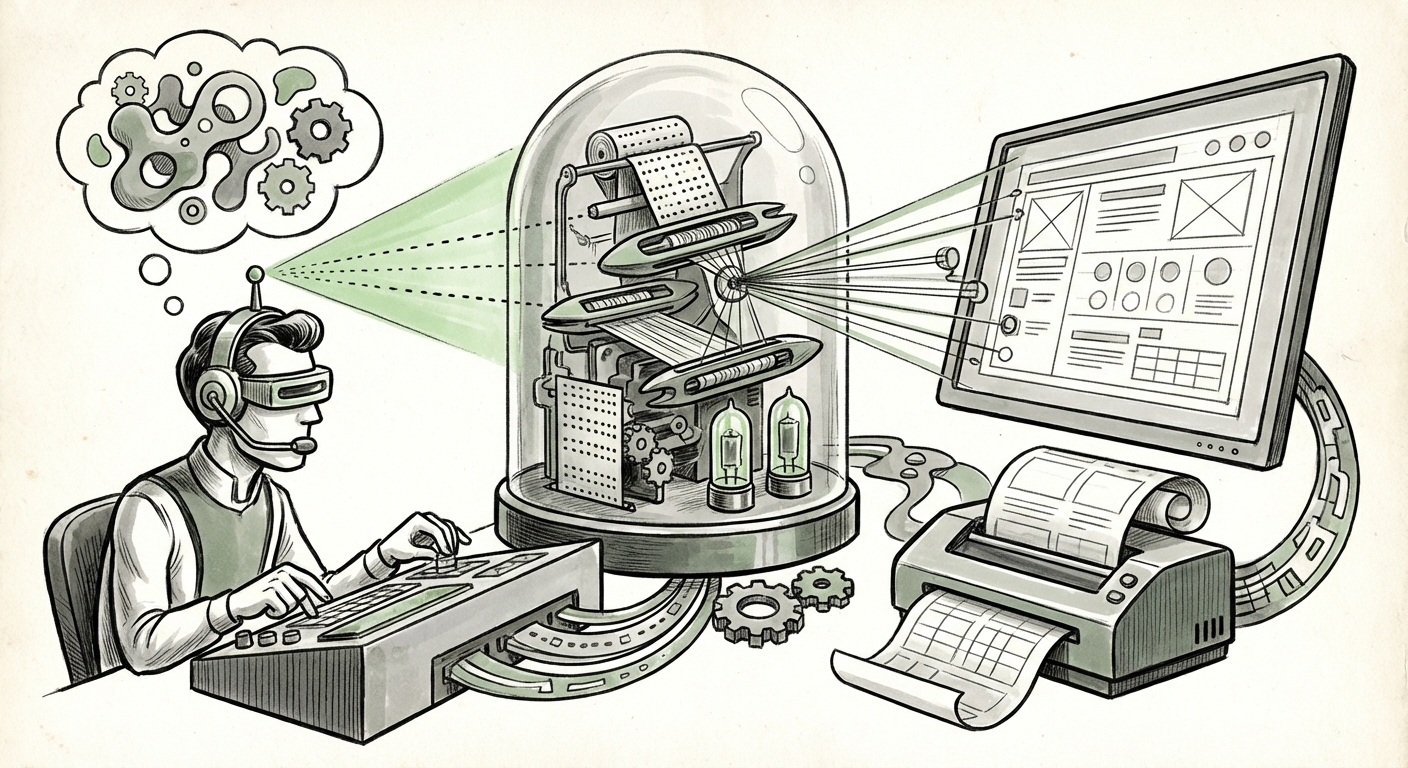
Best Practices in Knowledge Engineering: What This Means for the Future of AI
Artificial intelligence is moving fast. Every week there is a new model, a new tool, or a new promise. But beneath all the hype, a quieter revolution is taking place. It is about how we capture, structure, and use human expertise to make AI truly reliable. This is the world of knowledge engineering, and it is more important than ever.
On April 23, 2026, Rainbird hosted a webinar titled "WEBINAR 3: Best Practices in Knowledge Engineering." This event brought together experts to discuss the core principles that make or break AI systems that depend on structured knowledge. For anyone building or using AI in business, this webinar offers a roadmap for the future.
This article analyzes the key trends and developments from that webinar. We will explore what these ideas mean for the future of AI and how they will change the way businesses and society use intelligent systems.
The Core Trend: Moving from Data to Structured Knowledge
For years, the AI world was obsessed with more data. Big data, deep learning, and massive neural networks seemed to rule everything. But the Rainbird webinar highlights a crucial shift. The future of AI is not just about more data. It is about better knowledge. Knowledge engineering is the discipline of taking expert know-how and turning it into a form that computers can use to make decisions.
Think of it this way. A data-driven AI learns patterns from millions of examples. It might be great at recognizing a cat in a photo. But it does not know what a cat is. Knowledge engineering builds systems that understand why something is true. It captures rules, relationships, and logic. This makes the AI explainable, trustworthy, and able to handle situations it has never seen before.
Why Best Practices in Knowledge Engineering Matter Now
The webinar focused on best practices. This is not an accident. As AI moves into high-stakes areas like healthcare, finance, law, and manufacturing, we cannot rely on black-box models. We need systems that can explain their reasoning. We need systems that can be audited. We need systems that respect the expertise of humans.
Here are the key reasons why best practices in knowledge engineering are becoming critical:
- Trust and Transparency: When an AI makes a mistake, we need to know why. Knowledge-engineered systems are built on explicit rules. Every decision can be traced back to a logical step. This builds trust with users and regulators.
- Reliability in Edge Cases: Statistical AI fails when it encounters something outside its training data. Knowledge-based systems can fall back on general rules and reasoning. They are more robust in unexpected situations.
- Preserving Human Expertise: Many industries face a knowledge crunch. Senior experts are retiring. Their knowledge is walking out the door. Knowledge engineering captures that expertise permanently. It creates a lasting asset for the organization.
- Compliance and Governance: Regulations like GDPR and the EU AI Act demand explainability. Knowledge engineering provides a natural path to compliance. The logic is human-readable and can be reviewed.
What the Rainbird Webinar Tells Us About the Future of AI
Rainbird is a company that specializes in knowledge engineering and explainable AI. Their webinar, "Best Practices in Knowledge Engineering," gives us a clear view of where the field is heading. Let us break down the major implications.
1. Knowledge Engineering Will Become a Core Business Discipline
Just as companies now have data scientists and data engineers, they will soon need knowledge engineers. These are professionals who can interview subject matter experts, extract their knowledge, and encode it into AI systems. The webinar likely covers methods for doing this efficiently. This means new jobs, new training programs, and a new way of thinking about corporate intelligence.
For businesses, the message is clear. Start building your knowledge engineering capability now. The companies that do this well will have a huge competitive advantage. They will be able to automate complex decisions without losing control or accountability.
2. AI Will Become More Collaborative, Not Autonomous
The future of AI is not about machines replacing humans. It is about augmenting human decision-making. Knowledge engineering creates systems that work alongside people. A doctor, a loan officer, or a maintenance technician can use a knowledge-based AI to check their assumptions, explore alternatives, and reduce errors. The AI becomes a trusted partner, not a mysterious oracle.
This shift is coming because pure machine learning models are too brittle for many real-world tasks. They are great at pattern recognition but bad at reasoning. Knowledge engineering fills that gap. It makes AI a better team player.
3. Explainability Will Be a Feature, Not a Bug
Customers are demanding to know how AI affects their lives. Regulators are demanding explanations. The Rainbird webinar emphasizes that best practices in knowledge engineering naturally produce explainable AI. This is not a costly add-on. It is the way the system is built from the ground up.
In the future, any AI system that cannot explain itself will be viewed with suspicion. Knowledge engineering provides the methodology to build explainability in from day one. This will become a standard requirement in AI procurement contracts and software development.
4. The Rise of Hybrid AI Systems
The most powerful AI systems of the future will combine multiple techniques. They will use machine learning for pattern recognition and knowledge engineering for reasoning and logic. The webinar likely touches on how to integrate these approaches effectively.
For example, a medical diagnosis system might use a neural network to analyze an X-ray image. But it would use a knowledge-engineered rule base to combine that finding with the patient's history, symptoms, and risk factors. The rule base ensures the final recommendation is sound and explainable.
Practical Implications for Businesses and Society
The trends from the Rainbird webinar have real-world consequences. Here is how different sectors will be affected.
For Businesses: Actionable Insights
- Invest in Knowledge Capture: Start documenting the decision-making processes of your best employees. Use interviews, flowcharts, and decision trees. This raw material is the fuel for knowledge engineering.
- Build a Knowledge Engineering Team: Hire or train people who understand both the domain and the process of knowledge extraction. They are the bridge between human expertise and AI systems.
- Audit Your AI for Explainability: If your current AI systems cannot explain their decisions, you have a risk. Begin a project to add knowledge engineering layers to critical decision points.
- Focus on High-Value Decisions First: Not every process needs a knowledge-engineered AI. Focus on decisions that are complex, have high consequences, and require regulatory compliance. That is where the return on investment is highest.
For Society: A More Trustworthy AI Ecosystem
Society at large will benefit from a move toward knowledge engineering. When AI systems are transparent, people can trust them. When trust is high, adoption is higher. This can accelerate progress in areas like personalized medicine, fair lending, and safe autonomous systems.
However, there are also risks. Knowledge engineering requires access to expert knowledge. If that knowledge is biased, the AI will be biased. Best practices must include steps to identify and mitigate bias in the knowledge capture process. The Rainbird webinar likely addresses how to handle these issues.
Regulators are watching closely. The EU AI Act already requires explainability for high-risk AI systems. Knowledge engineering provides a clear path to compliance. Companies that adopt these practices early will have an easier time navigating future regulations.
How Knowledge Engineering Will Be Used in the Next 5 Years
Looking forward, here are the most likely applications for knowledge engineering in the near future:
- Healthcare: Clinical decision support systems that help doctors diagnose rare diseases and choose the best treatment plans. Knowledge engineering will capture the expertise of top specialists and make it available everywhere.
- Finance: Loan underwriting, fraud detection, and compliance monitoring will use knowledge-engineered rules to explain every decision to customers and regulators.
- Manufacturing: Predictive maintenance systems will combine sensor data (machine learning) with expert rules about which failure modes to check first (knowledge engineering).
- Legal: Document review and contract analysis will use knowledge engineering to apply legal reasoning and flag potential issues with clear explanations.
- Agriculture: Crop management systems will use expert knowledge about soil types, weather patterns, and pest lifecycles to give farmers actionable advice.
Conclusion: The Knowledge Revolution Is Here
The Rainbird webinar on best practices in knowledge engineering is a sign of a major shift. The AI industry is maturing. We are moving away from the idea that simply throwing more data at a problem will solve it. Instead, we are learning to value the unique power of structured human knowledge.
For businesses, the message is simple. Knowledge engineering is not a niche topic. It is a foundational practice for building AI that is reliable, trustworthy, and aligned with human values. The companies that invest in these methods now will lead the next wave of AI innovation.
For society, this is good news. We are building an AI future that puts explainability and collaboration first. Knowledge engineering is the tool that will help us get there. The future of AI is not autonomous machines. It is machines that work with us, understand why they are doing things, and can always be held accountable. That future starts with best practices in knowledge engineering.