Generative AI Turns Identity Theft Into an Industrial-Scale Operation
For years, identity theft was a slow, manual crime. A thief might steal a wallet, rummage through trash for bank statements, or trick one person at a time with a phishing email. That era is over. Generative AI has turned identity theft into an industrial-scale operation. Criminals now use AI to clone voices, forge documents, and create fake identities at a speed and volume that human fraudsters could never match. This isn't a future threat—it's happening right now, and it's changing the rules for everyone who uses digital services.
According to a recent report from The Decoder, published on May 11, 2026, generative AI tools are automating every step of identity fraud. The result is a crisis that touches banks, healthcare, government agencies, and ordinary people. In this article, we will break down how generative AI turns identity theft into an industrial-scale operation, what this means for the future of AI, and what businesses and society can do about it.
The New Industrial Revolution in Fraud
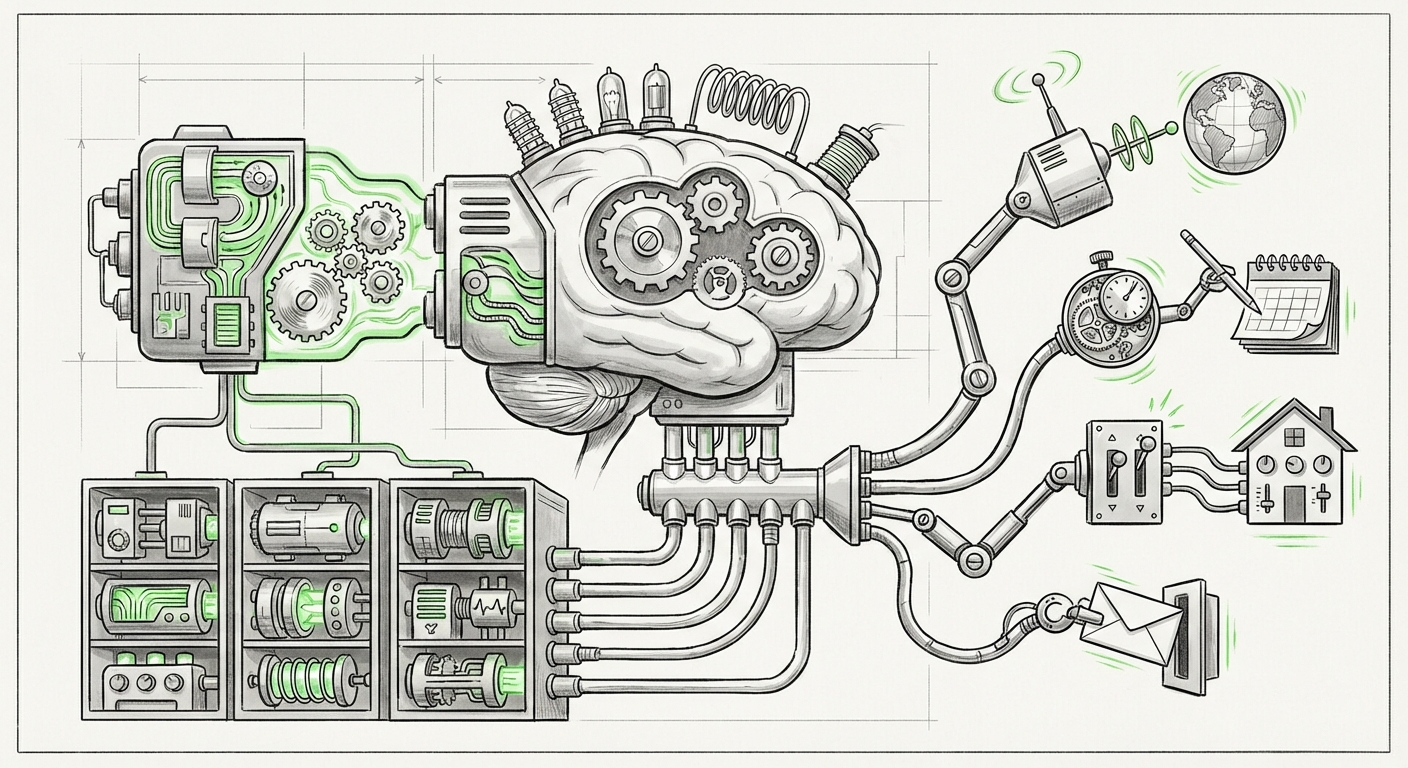
Think of an old car factory. Before automation, each car was built by hand—slow and expensive. Then robots took over, and suddenly factories could produce thousands of cars a day. Generative AI is doing the same thing to identity theft. It turns a craft into a production line. Here is how it works in practice:
- Voice cloning: With just a few seconds of audio from a social media video, AI can mimic a person's voice perfectly. Scammers call a bank and say, "Hi, it's me, please transfer money." The bank's voice verification system is fooled because it sounds exactly like the real customer.
- Fake documents: Generative AI can create realistic driver's licenses, passports, or utility bills in seconds. These documents are good enough to pass manual checks and many automated systems.
- Synthetic identities: Criminals combine real and fake information to create entirely new people. They use AI to generate a face that does not exist, a Social Security number that happens to be real, and a fake address. This "person" then opens credit cards, takes loans, and disappears.
The key numbers tell the story. Where a human fraudster might create 10 fake IDs in a day, an AI-powered system can generate thousands. This is what "industrial-scale" means. It is not just more of the same—it is a fundamental change in the speed and reach of identity crime.
Why Generative AI Is Perfect for This Job
Generative AI models like GPT and image generators were built to create content that looks and sounds real. That same power is a gift for identity thieves. Here are the specific features that make generative AI so dangerous in the wrong hands:
- Realism at scale: AI can produce high-quality forgeries that feel authentic. A fake passport now includes tiny details like microprint and holograms because the AI learned them from real images.
- Customization: Each fake identity can be customized for a specific target. For example, AI can generate a utility bill that matches the exact format of a real utility company in a specific city.
- Automation: Criminals can set up bots that try thousands of variations of a scam until one works. The AI learns which tactics succeed and adjusts automatically.
- Low cost: Free or cheap AI tools are available to anyone. The barrier to entry for large-scale identity theft has dropped to nearly zero.
This combination—realism, customization, automation, and low cost—is what turns identity theft into an industrial-scale operation. It is no longer a crime of desperation; it is a business model.
What This Means for Businesses
If you run a business that relies on customer trust, the new AI-powered identity theft is a direct threat. Here are the practical implications you need to understand:
1. Old Security Measures Are Obsolete
Passwords, security questions like "What is your mother's maiden name?" and simple photo ID checks cannot stop generative AI. AI can guess passwords from data breaches, find answers to security questions on social media, and create fake IDs that fool humans. Businesses that still rely on these methods are inviting fraud.
2. Customer Support Will Be Targeted
Voice cloning means that scammers can call your customer support line and sound exactly like a legitimate customer. They can reset passwords, change addresses, or authorize transactions without raising suspicion. Your support agents need new training and new tools to detect these attacks.
3. Account Opening Is Risky
In the past, opening a new account required an in-person visit or a hard-to-forge document. Now, generative AI can produce fake driver's licenses and selfies that pass automated checks. Banks, crypto exchanges, and online marketplaces must assume that any new account could be synthetic.
4. Reputation Damage Is Fast
If your business is used for identity fraud, customers will blame you. A single large-scale attack where scammers use your platform to steal identities can destroy years of trust. The speed of AI means incidents escalate before you can respond.
What This Means for Society
The impact goes beyond business. Society faces deep challenges when generative AI turns identity theft into an industrial-scale operation:
- Erosion of trust: If you cannot trust a phone call from your mother or a document from the government, social bonds break down. Trust is the glue of society, and AI is dissolving it.
- Victim burden: Today, victims of identity theft spend months cleaning up their credit and fighting false charges. With AI, the number of victims could skyrocket, overwhelming support systems.
- Inequality: Wealthy individuals and large corporations can afford advanced security. Ordinary people and small businesses cannot. AI-driven fraud will hit the most vulnerable hardest.
- Legal uncertainty: Laws against identity theft were written before AI. It is often unclear who is responsible when an AI generates a fake identity. Is it the tool maker, the user, or the platform that accepted the fake?
The Future of AI and Fraud: A Race
Generative AI turns identity theft into an industrial-scale operation, but it also offers hope for defense. The same technology that creates fakes can detect them. Here is how the future of AI will shape this battle:
AI-Powered Detection
New AI models are being trained to spot AI-generated content. They look for tiny flaws—like inconsistent lighting in a fake photo or unnatural pauses in a cloned voice. In the future, every bank, hospital, and government office will use AI to check if an identity is real. This will be a standard layer of verification, like antivirus software is today.
Continuous Authentication
Instead of just checking your identity when you log in, future systems will monitor behavior continuously. AI will learn your typing rhythm, your mouse movements, and how you hold your phone. If something feels wrong, the system will ask for extra proof. This makes it much harder for a scammer who only has a fake ID to pretend to be you for long.
Decentralized Identity
A radical change is coming: your identity will live on your own device, not in a central database. Using cryptography and AI, you will prove who you are by showing a digital certificate that is nearly impossible to fake. This removes the one thing that identity thieves need—a central record they can copy or forge.
Regulation and AI Governance
Governments will have to step in. We are starting to see laws that require AI-generated content to be watermarked. In the future, creating an AI-generated identity document without a clear label might become a serious crime. However, enforcement will be difficult because criminals ignore the law.
Practical Steps You Can Take Now
Waiting for the future is not an option. Here are actionable insights for businesses and individuals to protect themselves today:
For Businesses
- Adopt multi-factor authentication (MFA) that uses something you have (like a phone) and something you are (like a fingerprint). Resist MFA methods that only rely on SMS codes, which can be intercepted.
- Train employees to detect AI-generated voice calls and deepfake videos. Run drills where a fake call tries to trick support staff.
- Use AI detection tools to scan submitted documents and selfies for signs of generation. Integrate them into your onboarding and verification processes.
- Monitor for synthetic identities by looking for patterns like accounts with new credit files that suddenly apply for large limits. Flag these for human review.
- Share threat intelligence with other companies. Fraudsters reuse tactics, so early warnings help everyone.
For Individuals
- Limit public information. Do not post videos of your voice or face that can be used for cloning. Set social media accounts to private.
- Use a code word. Agree on a secret word with family and close friends for phone calls. If someone calls claiming to be a relative, ask for the code word.
- Monitor accounts frequently. Check bank and credit card statements at least once a week. Early detection limits damage.
- Freeze your credit. In many countries, you can freeze your credit report so that no one can open new accounts in your name. This is one of the best defenses against synthetic identity theft.
Conclusion: The Assembly Line Is Running
Generative AI turns identity theft into an industrial-scale operation, and the assembly line is already running at full speed. The era of the lone credit card thief is ending. In its place, we have automated factories of fraud that can produce fake identities by the thousands. The future of AI will see a constant cat-and-mouse game between criminals using AI to forge and defenders using AI to detect. But there is good news: the same tools that power the attack can also power the defense. The key is to act now, before the scale of the problem overwhelms our systems.
Businesses need to upgrade their security, individuals need to be more privacy-conscious, and society needs to have an honest conversation about how we prove who we are. The question is not whether AI will be used for identity theft—it already is. The question is whether we can adapt quickly enough to protect what matters most: our identities, our money, and our trust in each other.