Microsoft Pits More Than 100 AI Agents Against Each Other to Find Windows Vulnerabilities – What This Means for the Future of AI
In a move that sounds like something straight out of a sci-fi thriller, Microsoft has taken a bold new approach to cybersecurity: it's pitting more than 100 AI agents against each other to find weaknesses in Windows. According to a report from the-decoder.com published on May 14, 2026, this experiment is one of the most ambitious uses of multi-agent AI systems in the real world. But what does this mean for the future of AI, and how will this kind of technology be used beyond just finding bugs?
Let's break down what Microsoft is doing, why it matters, and how this approach could change everything from software security to the way businesses operate. Whether you're a technical expert or a business leader, understanding this shift is key to staying ahead in the AI age.
The Big Idea: AI Agents vs. AI Agents
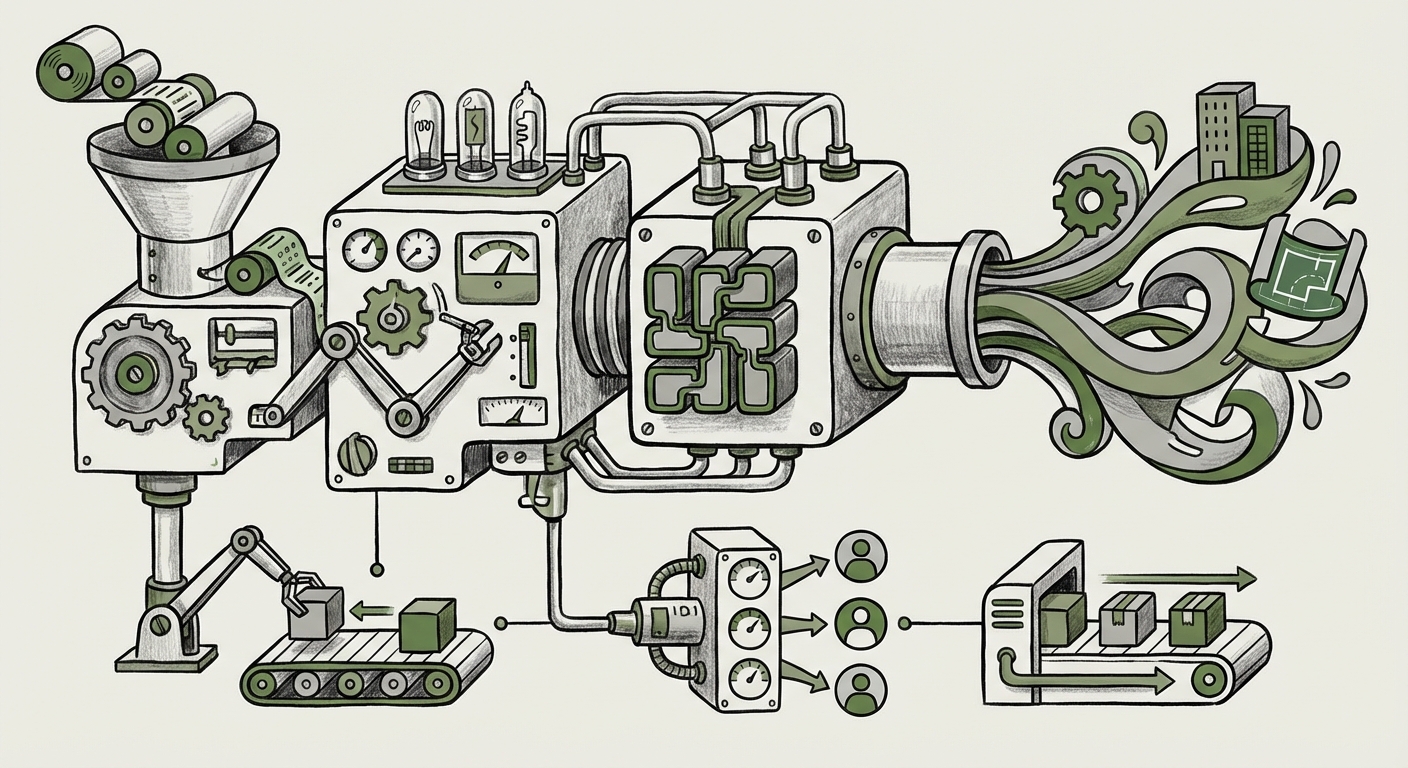
Microsoft's experiment is simple in concept but complex in execution. The company created over 100 separate AI agents and set them loose on Windows. Some of these agents were designed to find vulnerabilities, while others were designed to defend against attacks, and still others were simply competitors trying to break in first. By having these AI agents compete against each other, Microsoft hoped to uncover security holes that human testers or traditional automated tools might miss.
This is a major shift from how cybersecurity has worked for decades. In the past, finding vulnerabilities was a slow, manual process. Teams of human experts would study code, run tests, and try to think like an attacker. Even with automated scanning tools, the process often missed subtle or complex flaws. By using more than 100 AI agents working together (and against each other), Microsoft is essentially creating a digital battlefield where the strongest attack strategies and the best defenses are discovered through competition.
This approach is called "adversarial multi-agent reinforcement learning." It's a fancy way of saying that multiple AI systems learn by trying to beat each other. The agents that find the most vulnerabilities get rewarded, and over time, the whole system gets better at spotting weaknesses. It's like training a team of hackers and security guards by having them practice against each other every day, but at a speed and scale that no human team could match.
Why This Matters for the Future of AI
The implications of Microsoft's experiment go far beyond just making Windows more secure. This is a proof point for a whole new way of using AI. Here are the key trends that this story represents:
1. From Single AI to Swarms of AI
For years, the AI industry focused on building bigger, better single models. Think of ChatGPT or GPT-4 – one massive model that tries to do everything. But Microsoft's approach shows that sometimes, more is different. By using over 100 smaller AI agents, you can create a system that is more robust, more creative, and more adaptable than any single model. These swarms of AI can explore different strategies in parallel, learn from each other's successes and failures, and collectively solve problems that would stump a single AI.
This is a huge trend for the future. We're likely to see more "multi-agent" systems in everything from logistics (where agents manage different parts of a supply chain) to finance (where agents trade and compete) to healthcare (where agents analyze different types of patient data). The idea is that a team of specialized AIs working together can outperform a single generalist AI, especially on complex, dynamic tasks.
2. Self-Improving Autonomous Systems
One of the most exciting aspects of Microsoft's experiment is that the AI agents are learning and improving on their own. Because they compete against each other, they naturally discover better attack and defense strategies. This is a form of "artificial evolution" – the AI systems are constantly adapting to new challenges without needing a human to program every new move.
In the future, we can expect this kind of self-improving AI to be used in areas where threats or conditions change quickly. Cybersecurity is an obvious fit because new vulnerabilities are discovered every day. But the same principle applies to stock market trading (where markets change rapidly), autonomous driving (where road conditions vary), and even game development (where players find new tactics). An AI system that can learn and improve by competing with others is much harder to defeat than a static system.
3. Redefining "Hacking" and "Defense"
Microsoft's experiment blurs the line between "good" AI and "bad" AI. The agents that are trying to break into Windows are not malicious; they are part of a security test. But the same technology that Microsoft uses to protect Windows could also be used by real attackers. This is a double-edged sword.
On one hand, this approach can lead to much stronger defenses. If you can simulate thousands of possible attacks using AI, you can patch vulnerabilities before they are exploited in the real world. On the other hand, it also means that malicious actors could use similar AI swarms to find holes in software faster than ever before. The future of cybersecurity will likely be a race between AI-powered attackers and AI-powered defenders, both using swarms of agents to outsmart each other.
This is already happening. Many security firms are using AI to detect and respond to threats. But Microsoft's use of more than 100 AI agents competing against each other is a new level of sophistication. It shows that the future of security is not just about having one good AI, but about orchestrating a team of AIs that can work together and compete in real time.
Practical Implications for Businesses
So, what does this mean for a business owner, a CTO, or a product manager? Here are some actionable insights:
- Invest in multi-agent systems: If you are building any kind of complex software, consider how a team of smaller AI agents might outperform a single large model. This is especially relevant for quality assurance, testing, and security.
- Prepare for faster vulnerability discovery: With AI agents competing to find bugs, the window between a vulnerability being introduced and being discovered is shrinking. Companies need to have faster patch cycles and more automated update systems.
- Think about adversarial testing: Microsoft's approach is essentially using AI to automate adversarial testing. Businesses should consider adopting similar "red team" AI agents that actively try to break their own systems. It's better to find your own weaknesses than to let a hacker find them.
- Understand the competitive landscape: If your competitors are using swarms of AI agents to improve their products or security, you may need to catch up. This technology gives a significant advantage to early adopters.
Societal and Ethical Questions
While the technology is exciting, it also raises important questions for society. The most obvious one is about safety. As AI agents become more autonomous and compete against each other, how do we ensure they don't go beyond their intended goals? What happens if an AI agent, in its quest to find a vulnerability, accidentally breaks something critical in a live system?
Microsoft's experiment was likely conducted in a controlled environment, but as these techniques become more common, the risks increase. There is also the question of accountability. If an AI agent causes damage, who is responsible? The developer? The operator? The AI itself?
Furthermore, the "arms race" aspect is concerning. If both good actors (like Microsoft) and bad actors (like cybercriminals) are using similar AI swarms, society as a whole could suffer from increased instability. Critical infrastructure, financial systems, and even personal devices could become battlegrounds for AI agents we don't fully understand.
These are not reasons to stop developing the technology, but they are reasons to proceed carefully. Microsoft's experiment is a great example of using AI for good, but it also serves as a warning that the same tools can be turned against us. Policymakers, ethicists, and technologists need to work together to establish rules for how these powerful systems are used.
How This Will Be Used Beyond Cybersecurity
The concept of pitting AI agents against each other to find weaknesses is not limited to software bugs. Here are some creative ways this approach might be applied in other fields:
- Drug Discovery: AI agents could compete to find new drug molecules that are effective against a disease, while other agents try to find harmful side effects. The "winners" are the safest, most effective drugs.
- Financial Fraud Detection: One set of AI agents tries to create new types of fraud, while another set tries to detect them. This creates a constantly updating security system for banks.
- Autonomous Vehicle Safety: AI agents could simulate thousands of dangerous driving scenarios, with some agents trying to cause accidents and others trying to avoid them. This would make self-driving cars safer.
- Game AI Design: Game developers could use competing AI agents to find exploits or "cheats" in their games before they are released to the public.
- Supply Chain Optimization: Different AI agents could manage different parts of a supply chain, competing for resources but also collaborating to meet overall goals.
The underlying principle is the same: by creating a competitive environment, you force the AI to be more creative, more robust, and more efficient. This is a powerful technique that will likely become a standard tool in AI development.
Conclusion: The Dawn of Competitive AI
Microsoft's decision to pit more than 100 AI agents against each other to find Windows vulnerabilities is more than just a clever security test. It is a glimpse into the future of how AI will be used. We are moving away from single, monolithic AI models toward dynamic, multi-agent ecosystems that learn, compete, and improve on their own.
For businesses, this means opportunity and risk. Opportunity to build more secure, more adaptable systems. Risk of falling behind or being exposed to new kinds of AI-powered threats. For society, it means asking tough questions about control, safety, and ethics. But one thing is clear: the age of competitive AI has begun.
The future will not be about one AI that knows everything. It will be about swarms of AI that challenge each other, learn from each other, and ultimately make our world smarter, safer, and more resilient. Microsoft's experiment is the first major step down that path, and it is a journey we should all be watching closely.