Claude Subscriptions Get Separate Budgets for Programmatic Use — Billed at Full API Prices
In a move that signals a major shift in how AI companies think about usage and pricing, Anthropic has announced that Claude subscriptions will now include separate budgets for programmatic use. This new feature allows subscribers to set aside dedicated funds for automated, API-driven tasks within their subscription plan. Crucially, these programmatic usage budgets are billed at full API prices, not at the lower rates often associated with bundled subscriptions. This development, first reported by The Decoder on May 14, 2026, has significant implications for the future of AI deployment, cost control, and how both businesses and individual developers integrate AI into their workflows.
The Biggest Change: Separate Budgets for Automated Workflows
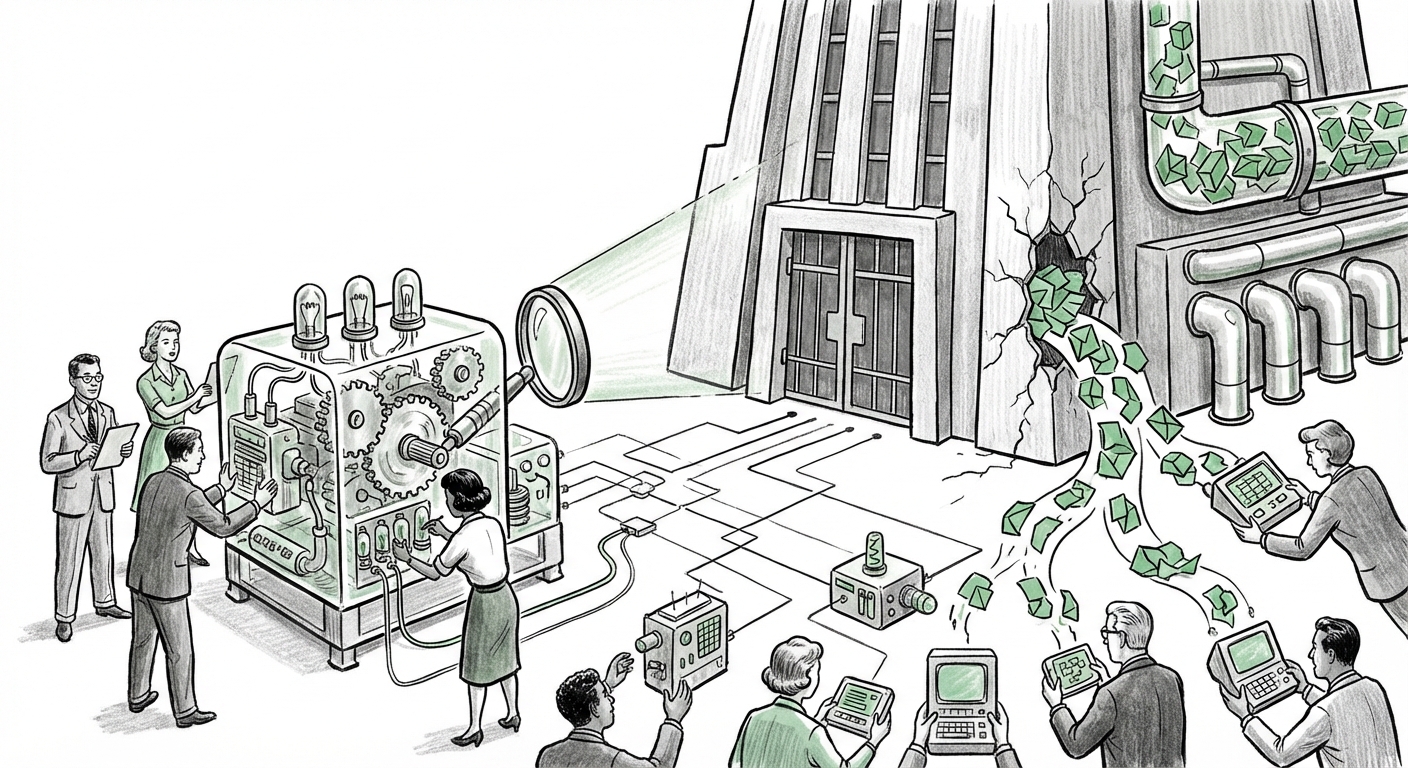
For the first time, Claude subscriptions offer a clear distinction between interactive, chat-based use and automated, programmatic use. This separation is a direct response to the growing trend of power users and businesses using AI not just for one-off questions, but as a core part of their automated systems. Previously, a single subscription pool might be consumed by both manual conversations and automated API calls, making it difficult to predict costs and allocate resources. Now, users can create a specific budget dedicated solely to programmatic requests.
This change allows for much better financial planning. If a company knows it will run thousands of automated tasks each month—like generating customer support responses, analyzing data, or creating content—it can now allocate a precise budget for that activity. Because this separate budget is billed at full API prices, the pricing model becomes transparent: heavy automation users pay the same rate they would if they were using the API directly, but within the convenience and management of their subscription account. This avoids the chaos of a single subscription being drained by automated scripts, leaving no budget for interactive use, or vice versa.
What This Means for the Future of AI and How It Will Be Used
This feature is a clear signal that AI is moving from a tool for occasional queries to a platform for continuous, automated operations. The future of AI is not just about asking questions; it is about building systems that use AI as a background task, running constantly to process information, make decisions, and interact with other software.
1. AI Becomes a Utility, Like Electricity or Cloud Compute
By creating separate budgets for programmatic use, Anthropic is treating AI as a metered utility. Businesses no longer have to guess how much their automation will cost. They can set a budget, and the system will enforce it. This is a critical step toward mainstream enterprise adoption. When AI costs are predictable and separately accounted for, financial planners and CFOs become much more comfortable approving large-scale rollouts. The trend is clear: AI is becoming a standard line item in operational budgets, just like server costs or SaaS subscriptions.
2. The Rise of the "AI Agent" Economy
Programmatic use is the foundation of the emerging "AI agent" economy. Agents are AI programs that can perform complex tasks autonomously—booking meetings, managing inventory, drafting legal documents, or writing code. These activities are inherently programmatic. They require hundreds or thousands of API calls per day. By offering a separate budget for this type of use at full API prices, Anthropic is creating a transparent environment for developers to build and scale these agents. We can expect to see a surge in the development of autonomous AI tools, as the pricing model is now clear and predictable.
3. Better Cost Control for Power Users
For the individual power user—the developer, the researcher, the small business owner—this change is a game-changer. Previously, a single subscription meant that a few heavy automation tasks could blow through a monthly limit, forcing the user to either stop using the service or upgrade to a hugely expensive plan. Now, they can set a modest programmatic budget to experiment with automation. Once they hit the limit, the automated tasks simply stop, protecting them from surprise bills. This safety net will encourage more experimentation and innovation.
Analyzing the Pricing Decision: Why Full API Prices?
The decision to bill programmatic use at full API prices, rather than at a discounted subscription rate, is a strategic move. It makes the economics of heavy programmatic use very clear. If your automation needs are small, using the subscription's programmatic budget is convenient. But if you are running millions of requests, you might still want to compare the cost to a dedicated API plan. This pricing clarity prevents the "subscription cannibalization" problem where heavy API users would otherwise buy a cheap subscription and use it exclusively for automation, bypassing the more expensive API pricing tier.
From Anthropic's perspective, this preserves the value of the API for high-volume users while still providing a valuable service for subscription users who want a taste of automation. It also encourages users to think carefully about which tasks are best handled interactively and which should be automated. This is a mature, forward-thinking pricing strategy that balances user needs with business sustainability.
Practical Implications for Businesses and Society
The introduction of separate programmatic budgets has far-reaching effects beyond just cost savings. Here are some of the most important practical implications:
- Democratization of Automation: Smaller businesses and independent developers who could not justify a dedicated API plan can now start automating tasks using a subscription with a small programmatic budget. This lowers the barrier to entry for AI-driven innovation.
- Better Internal Accounting: Companies can now clearly separate AI costs for different departments. The marketing team's budget for interactive customer service can be tracked separately from the engineering team's budget for automated code generation. This leads to more accurate ROI calculations.
- Increased Automation in Customer Service: With a predictable programmatic budget, companies can confidently deploy AI chatbots for round-the-clock support, knowing exactly how much each query costs. This will fuel a trend toward fully automated customer service triage.
- Ethical and Societal Considerations: As automated AI becomes cheaper and easier to deploy, we must pay attention to potential job displacement and the need for new skills. While automation boosts efficiency, it also shifts the nature of work. The ability to budget for programmatic use will accelerate this shift, making it even more important to invest in retraining and education.
Actionable Insights for Developers and Business Leaders
This change is not just a new feature; it is a call to action for anyone serious about using AI. Here are the key steps you should take:
- Audit Your AI Usage: Look at how your current Claude subscription is used. What percentage is interactive use? What percentage is programmatic or could be made programmatic? This audit will help you decide if separate budgets make sense for you.
- Start Small with Automation: If you have never used programmatic AI before, this is the perfect time to start. Set a small programmatic budget within your subscription and use it to automate one simple, repetitive task—like generating daily reports or classifying emails. The low risk of a small budget encourages experimentation.
- Plan for Scalability: If you know you will eventually need heavy automation, use the subscription's budget to prototype your system. Once you have a working prototype and understand the real cost, you can decide whether to upgrade to a dedicated API plan or continue within the subscription.
- Educate Your Team: Make sure your colleagues understand the difference between interactive and programmatic use. Teach them that automated scripts consume a different budget than human-typed questions. This will prevent confusion and ensure everyone uses the system effectively.
- Monitor and Optimize: Treat your AI budgets like any other operational budget. Monitor usage monthly, look for spikes, and optimize your prompts and workflows to reduce costs. The transparency of separate budgets makes this optimization much easier.
What This Trend Tells Us About the AI Industry
The introduction of separate programmatic budgets is part of a larger trend in the AI industry: the move from simple subscription models to complex, usage-based pricing that reflects the diverse ways people use AI. Traditional software subscriptions (like for word processors or email) are relatively simple: you pay one price, you get all features. But AI is different. The cost of providing AI service is directly tied to the computational power used for each request. Therefore, pricing models must evolve to match.
We are likely to see other AI companies follow Anthropic's lead. Expect Google (with Gemini), OpenAI (with ChatGPT), and others to introduce similar "two-track" pricing models that separate interactive from programmatic use. The winner in this new era will be the company that offers the most transparent, flexible, and fair pricing. Currently, Anthropic is setting a strong example.
Conclusion: The Dawn of Budgeted AI Automation
Anthropic's decision to offer separate budgets for programmatic use, billed at full API prices, is more than just a pricing update—it is a blueprint for how the future of AI will be consumed. It acknowledges that AI is no longer just a tool for one-off questions but a foundational utility for automated systems. By providing clear, controllable budgets, Anthropic is empowering developers, businesses, and power users to embrace AI automation with confidence. The era of unpredictable AI bills and blurred lines between human and machine usage is ending. In its place, we are entering an era of precision, planning, and programmable possibility. The future of AI is not just smarter; it is smarter with budgets.