The $1.3 Million AI Workforce: What Happens When 100 AI Agents Take Over Software Development?
In May 2026, OpenClaw founder Peter Steinberger made headlines with a stunning revelation: he runs 100 AI agents that code, review pull requests (PRs), and find bugs—all for a staggering $1.3 million a month. This isn't a hypothetical or a startup fantasy. It's happening right now. And it's reshaping how we think about software development, human talent, and the future of work itself.
For the tech world, this is a watershed moment. While many companies experiment with a few AI coding assistants, Steinberger has scaled up to a full army of agents. The price tag is eye-popping, but the implications run deeper than just cost. Let's break down what this means for the future of AI and how it will be used.
The Big Picture: AI Agents Are No Longer Just Assistants
Until recently, AI coding tools like GitHub Copilot or Amazon CodeWhisperer were seen as helpers—they'd autocomplete lines, suggest functions, and maybe catch a typo. But Steinberger's approach flips the script. His 100 agents aren't just suggesting code; they're writing it from scratch, reviewing it like senior engineers, and hunting for bugs like dedicated QA testers.
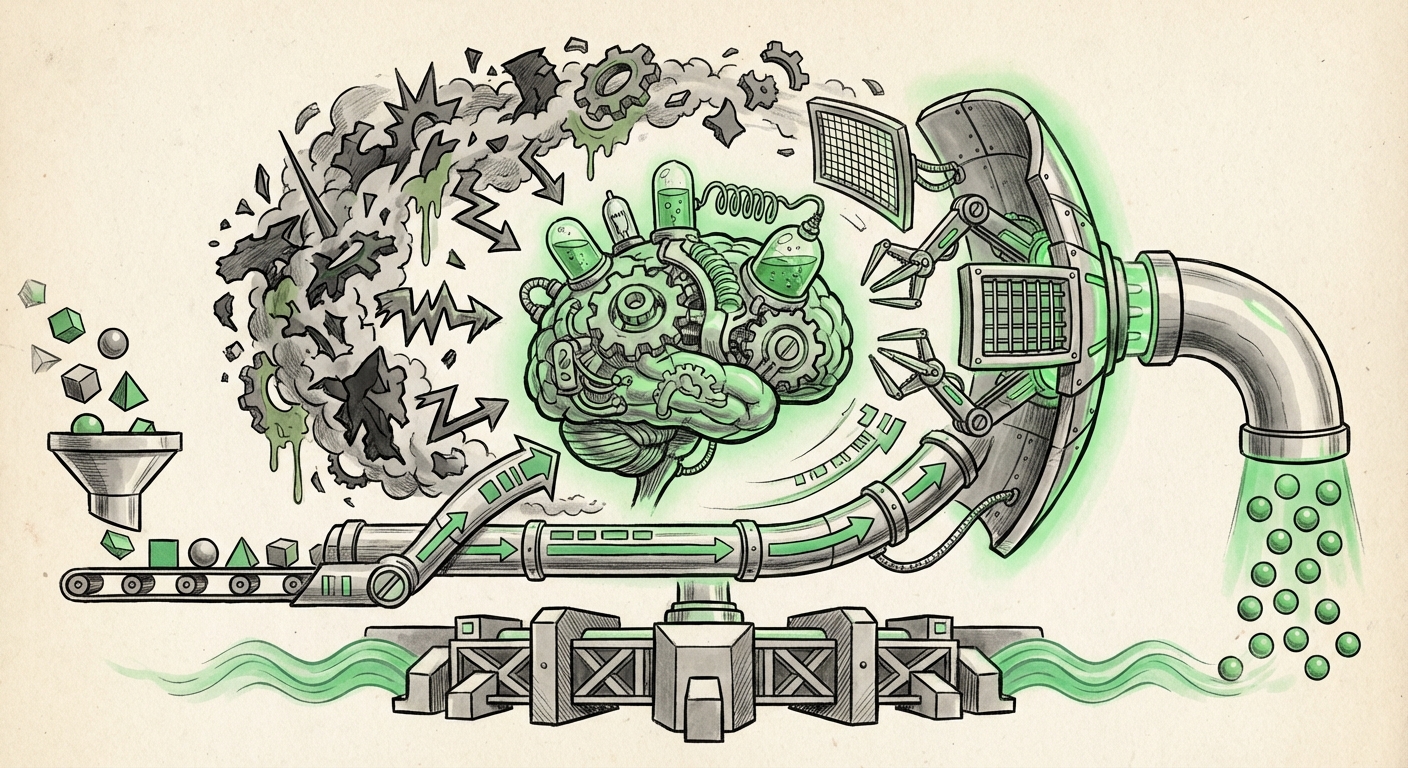
This is a shift from "AI as a tool" to "AI as a workforce." When you run 100 agents that can code, review PRs, and find bugs, you're essentially operating a software factory with near-zero human intervention at the code level. The human role becomes strategic: deciding what to build, setting priorities, and steering the agents. The agents handle the grunt work—and a lot of the skilled work too.
The cost is real: $1.3 million per month. But compare that to a human engineering team of 100 people. In Silicon Valley, that team would cost $2–3 million monthly in salaries, benefits, office space, and management overhead. And humans need sleep, weekends, and vacations. AI agents work 24/7, never complain, and scale instantly. For many companies, the economics become compelling fast.
What Exactly Are These 100 AI Agents Doing?
According to Steinberger, the agents handle three core tasks:
- Coding: They write new features, fix bugs, and implement changes. They don't just generate snippets—they produce complete, production-ready code.
- Reviewing PRs: When code changes are submitted, the agents review them line by line, suggesting improvements, flagging potential issues, and even rejecting changes that don't meet quality standards.
- Finding Bugs: The agents actively scan codebases for vulnerabilities, logical errors, and performance bottlenecks. They can catch issues that often slip past human reviewers.
This isn't a one-off experiment. Steinberger is running this as a production system. The agents are integrated into a continuous development pipeline, meaning they're constantly working, learning, and improving. The result is a development cycle that moves faster than anything we've seen before.
What This Means for the Future of Software Development
1. The End of Junior Developer Roles?
One of the most immediate implications is for entry-level programming jobs. Many junior developers spend their early years writing boilerplate code, fixing simple bugs, and reviewing others' PRs. These are exactly the tasks Steinberger's AI agents are tackling. If 100 agents can do the work of 100 junior developers (or more), companies will think twice before hiring.
But it's not all doom and gloom. AI agents still struggle with complex architecture decisions, understanding business context, and creative problem-solving. The junior developer role might disappear, but a new role emerges: the AI orchestrator. Humans who can guide, manage, and improve these agent teams will be in high demand.
2. The Cost of Innovation Drops Dramatically
Right now, starting a software company requires a team of engineers, which is expensive and risky. With AI agents, the barrier to entry plummets. A solo founder with a good idea and a few thousand dollars could potentially build a product that used to require a full team. This could lead to an explosion of new startups and experiments, accelerating innovation across every industry.
Steinberger's $1.3 million monthly bill is a high-end example. As the technology matures and competition increases, costs will drop. Soon, small teams might run 10–20 agents for a fraction of that cost. The democratization of software creation is on the horizon.
3. Quality and Speed Reach New Levels
Human developers are prone to mistakes, especially when tired or bored. AI agents never tire, never get bored, and can run millions of tests in seconds. The result is code that's more consistent, more thoroughly reviewed, and potentially bug-free. In safety-critical areas like healthcare, finance, or autonomous vehicles, this could save lives and money.
But there's a catch. AI agents learn from existing code, which means they can replicate existing bad patterns if trained on low-quality data. The first company to figure out how to pair agents with human oversight at the right level will win big.
Practical Implications for Businesses
For Tech Companies: Rethink Your Teams
If you run a software company, you need to start planning for a future where AI agents are part of your core team. This means investing in AI agent management tools, retraining your current developers to work alongside agents, and rethinking your hiring strategies. You don't need 100 junior devs—you need a few brilliant architects who can direct 100 agents.
For Non-Tech Companies: Software Becomes Cheaper and Faster
Retailers, banks, manufacturers—any business that relies on software will benefit. AI agents can build custom apps, automate workflows, and maintain legacy systems at a fraction of the cost. The expertise gap shrinks. A small retailer could build an AI-powered inventory system that previously required a team of engineers.
For Developers: Adapt or Risk Obsolescence
This is the hard truth. If you're a developer who focuses only on churning out code, you'll be replaced by cheaper agents. The valuable skills of the future are system design, architecture, ethical oversight, and agent management. Developers who learn to collaborate with AI—to review its work, correct its mistakes, and guide its output—will thrive. Those who resist will struggle.
What This Means for Society
Job Displacement Is Real, But So Is Job Creation
The 100 agents are a direct threat to many coding jobs. But historically, technology creates more jobs than it destroys—just different jobs. The steam engine replaced manual labor but created factory jobs. The internet replaced some retail jobs but created digital marketing roles. Similarly, AI agents will displace coder roles but create new roles in AI training, agent management, and ethical compliance.
The challenge is speed. The transition might happen faster than society can retrain workers. Governments and companies need to invest in reskilling programs now.
The Ethical Questions Loom
Who is responsible when an AI agent writes buggy code that costs millions or causes harm? Is it the founder who configured the agents, the company that deployed them, or the agent itself? Current legal frameworks don't have good answers. Steinberger's experiment forces us to confront these questions sooner rather than later.
Also, what happens to open source? If most code is written by 100 AI agents, will open source become a playground for AI rather than a human collaboration? Or will humans focus only on the most creative, high-impact projects?
Actionable Insights for Leaders
- Start small, experiment now: You don't need 100 agents. Start with 5 or 10 to automate code review or bug hunting. Learn how they work, what they're good at, and where they fail.
- Invest in agent management tools: Running a team of agents requires dashboards, logging, and oversight systems. Don't treat agents as black boxes. You need to monitor their output and catch errors early.
- Train your team on AI collaboration: Effective code review, prompt engineering, and result verification are new skills. Run workshops and create learning paths for your developers.
- Re-evaluate your hiring pipeline: Stop looking for "good coders" and start looking for "good system thinkers" and "AI collaborators." The best future engineers will be those who can orchestrate AI agents, not just write code themselves.
- Think about ethics from day one: Establish clear policies on agent responsibility, code ownership, and failure handling. Don't wait for a disaster to figure out who's accountable.
The Bottom Line
Peter Steinberger's 100 AI agents running for $1.3 million a month is more than a news story—it's a preview of the near future. Software development is being turned from a craft into an automated, large-scale operation. The agents are here, they're working, and they're only going to get cheaper and better.
The future belongs to those who embrace this change, not those who fight it. For businesses, it means lower costs and faster innovation. For developers, it means evolving into higher-value roles. For society, it means grappling with tough ethical and employment questions.
But one thing is clear: the era of AI agents that code, review PRs, and find bugs has arrived. And it's only the beginning.