Google Tests the App Version of the "SaaSpocalypse": What This Means for the Future of AI
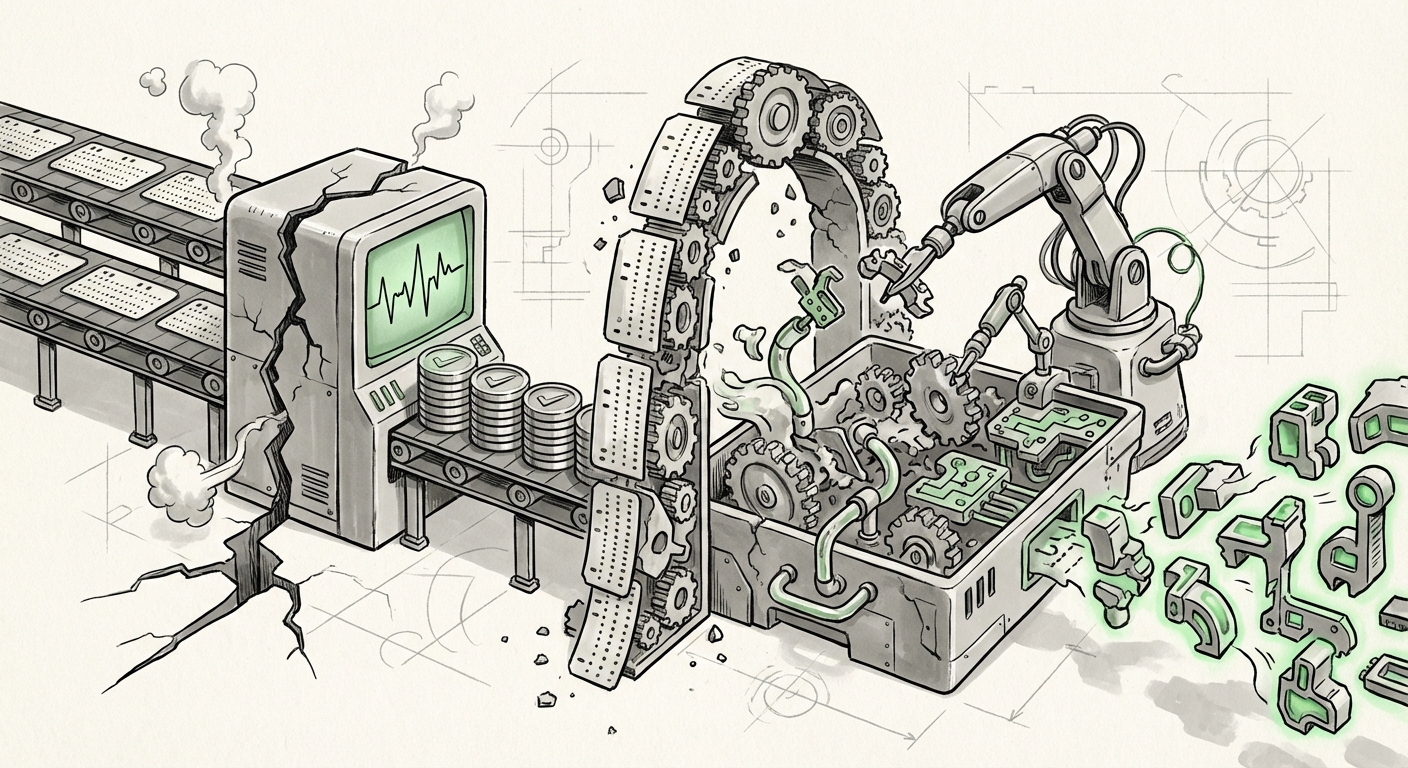
In a move that's shaking up the tech world, Google is testing what many are calling the app version of the "SaaSpocalypse." The term "SaaSpocalypse" itself hints at a dramatic shift in how we use software, and this experiment from one of the biggest names in tech could change everything for businesses, developers, and everyday users. But what exactly is happening, and why does it matter for the future of artificial intelligence? Let's break it down in simple terms.
First, some background. For years, we've been used to software-as-a-service (SaaS) models—think paying a monthly subscription for tools like email apps, video editing software, or even your favorite gaming platform. These services are often accessed through a web browser or a dedicated app. But Google is now testing a new approach: an app version that might bypass some of these traditional subscription models. This isn't just a tweak—it's a potential overhaul of how software is delivered and paid for, with huge implications for AI.
What Is the "SaaSpocalypse" and Why Is Google Involved?
The "SaaSpocalypse" is a buzzword describing a future where the current SaaS model collapses or evolves into something radically different. Google's test suggests we're moving toward a world where software is more tightly integrated with AI, possibly making many subscription services obsolete or cheaper. Instead of paying for separate apps, AI could bundle features together or even run apps directly on your device without needing cloud subscriptions.
Google's experiment focuses on an app version of this concept. The idea is that instead of relying on an internet connection and paying monthly fees for each tool, your device itself becomes smarter. AI would handle tasks that used to require multiple apps, all from one place. This is a natural next step for Google, which already uses AI in products like Google Assistant and Google Photos. But by testing this "app version," they're pushing boundaries further.
How AI Drives This Shift
Artificial intelligence is the engine behind this change. Here's how it plays a role:
- Smaller, Smarter Apps: AI can compress what used to take huge software suites into lightweight apps. For example, instead of a giant photo-editing app, your phone's AI could do the same job with a tiny helper tool.
- Local Processing Power: AI models are getting better at running on devices (like your phone or laptop) instead of in the cloud. This means less need for subscriptions to remote servers. Google's test likely uses AI that works offline, saving users money and improving privacy.
- Automated Subscriptions: AI could manage which subscriptions you need, when, and for how long. Maybe you only pay for a service when you actually use it, and AI cancels it when you're done.
- Personalized Bundles: AI can create custom software packages for each user. Your AI assistant might put together a set of tools perfectly suited to your job or hobbies, without you having to shop around.
In Google's test, these features come together in an app that learns your habits and offers services on the fly. It's like having a personal software concierge that's powered by AI.
What Does This Mean for the Future of AI?
This test is a major clue about where AI is heading. Let's explore the key trends:
- AI Becomes the Operating System: Instead of separate apps, AI might become the core of your device. You wouldn't "open" a spreadsheet app—you'd ask your AI to calculate something. Google's experiment hints at that future, where software is more conversational and less about clicking icons.
- Subscription Models Will Evolve: SaaS as we know it may not disappear, but it will change. AI could make subscriptions dynamic—priced by usage, not a flat fee. For businesses, this could save money. For users, it might mean fewer unexpected charges.
- Privacy and Control Shift: With more AI running locally, your data stays on your device. Google's test likely emphasizes this, making users more comfortable with AI because they own their information. This could speed up adoption of AI in areas like healthcare, finance, and personal productivity.
- Competition Heats Up: If Google succeeds, other tech giants like Apple, Microsoft, and Amazon will follow suit. We'll see a race to create the most intelligent, least intrusive software experience. AI will be the battlefield, and the winner gets to define how we interact with technology for the next decade.
For AI researchers, this means more focus on small models that can run on low-power devices. For investors, it suggests a shift from funding SaaS startups to backing AI-first hardware and software companies. For everyone else, it promises simpler, cheaper, and smarter tools.
Practical Implications for Businesses and Society
What does this mean for your company or daily life? Here are the practical takeaways:
For Businesses:
- Cost Savings: Relying less on multiple subscriptions could cut your software budget. AI-powered apps could do more with less, especially for small and medium businesses that can't afford big toolkits.
- Productivity Boost: AI that understands your workflow can automate repetitive tasks. In Google's test, imagine an app that schedules meetings, writes reports, and edits your spreadsheets without you opening anything.
- New Revenue Models: If you're a software company, you'll need to adapt. Offer AI-enhanced services that add real value rather than just charging for access. Think pay-per-query or outcome-based pricing.
- Security Concerns: With AI managing local data, cybersecurity becomes even more important. Businesses must ensure their AI-powered tools are secure and private.
For Society:
- Digital Divide May Shrink: Cheaper, more efficient AI apps could make advanced software available to more people, regardless of income. This could democratize access to education, job training, and creative tools.
- Job Displacement and Creation: As AI automates tasks, some jobs will vanish (like tech support for subscription services), but new roles will emerge (like AI app designers or subscription algorithm experts). Society will need to help workers transition.
- Privacy Gains: With less data sent to the cloud, you get more control. But we also need to watch out for AI that learns too much about you locally—privacy laws will have to keep up.
- Addiction and Attention: AI that bundles software could make devices even more addictive. Designers must prioritize user well-being, not just engagement.
For individuals, the biggest change is convenience. Imagine your phone automatically picks the best app for editing a photo, pays 10 cents for that one edit, and then forgets about it. That's the world Google is testing.
Challenges Ahead
Of course, this vision isn't without obstacles. Google's test is in early stages, and there are big questions:
- Reliability: Can AI really handle all these tasks without messing up? We've all seen AI make silly errors that a human wouldn't.
- Adoption: People are creatures of habit. Switching from familiar apps to an AI-driven system takes courage. Google will need to prove it's worth the leap.
- Power Consumption: Running AI locally uses your device's battery and processor. For older devices, this could be a problem.
- Regulation: Governments may step in if AI subscriptions become too dominant or manipulative. Expect antitrust scrutiny.
But the potential rewards far outweigh these risks. If Google or a competitor gets it right, we could see a future where software feels less like a rental and more like a seamless part of our lives.
Actionable Insights for You
Here's what you can do right now to prepare for this future:
- For Tech Professionals: Start learning about on-device AI and edge computing. Skills in small, efficient AI models will be in high demand. Experiment with tools like TensorFlow Lite or Core ML.
- For Business Leaders: Review your subscription stack. Could AI replace some of those services? Begin exploring AI assistants or automation platforms that offer bundled features.
- For Everyday Users: Pay attention to updates from Google, Apple, and Microsoft. Try out beta versions of their AI features. The more you learn now, the easier the transition later.
- For Policymakers: Engage with these developments. Advocate for strong privacy protections and fair pricing in AI-driven software. Ensure that the "SaaSpocalypse" doesn't leave vulnerable populations behind.
The key is to stay flexible. The speed of AI change means that what seems experimental today could be mainstream in a year or two.
Conclusion
Google's test of the app version of the "SaaSpocalypse" is more than a corporate experiment—it's a window into a future where AI reshapes software at its core. By moving toward smarter, local, and subscription-free tools, we're entering an era of unprecedented efficiency and personalization. For businesses, this means lower costs and new challenges. For society, it offers both promise and pitfalls. The future of AI lies not just in bigger models but in how gracefully they integrate into our everyday apps. As we watch Google's test unfold, one thing is clear: the way we think about software is about to change forever.