Mistral AI Acquires Emmi AI: The Physical AI Revolution Begins
On May 19, 2026, Mistral AI announced the acquisition of Emmi AI, a Viennese startup specializing in physical AI. This move marks a major turning point in the world of artificial intelligence. While many companies have focused on chatbots and text generation, Mistral is betting big on a future where AI can interact with the real world. By buying Emmi AI, Mistral AI is signaling that the next big frontier is not just language, but the ability to think, move, and act in physical spaces.
In this article, we'll break down what "physical AI" really means, why this acquisition matters, and what it could mean for the future of work, business, and everyday life. Whether you're a tech enthusiast, a business leader, or just curious about AI trends, this story offers a glimpse of where the industry is heading.
What Is "Physical AI" and Why Does It Matter?
Physical AI refers to artificial intelligence systems that can understand and operate in the physical world. Think of robots that can navigate a warehouse, drones that can inspect a construction site, or self-driving cars that can react to changing road conditions. Unlike software-only AI, physical AI must handle messy, unpredictable, and constantly changing environments.
Emmi AI, the Viennese startup acquired by Mistral, has built technology that allows AI models to understand spatial relationships, plan movements, and control hardware in real time. This is a huge leap beyond simple language models that only process text. Emmi's work focuses on bridging the gap between high-level reasoning (like "navigate to the left side of the room") and low-level motor control (like "turn the wheel exactly 30 degrees").
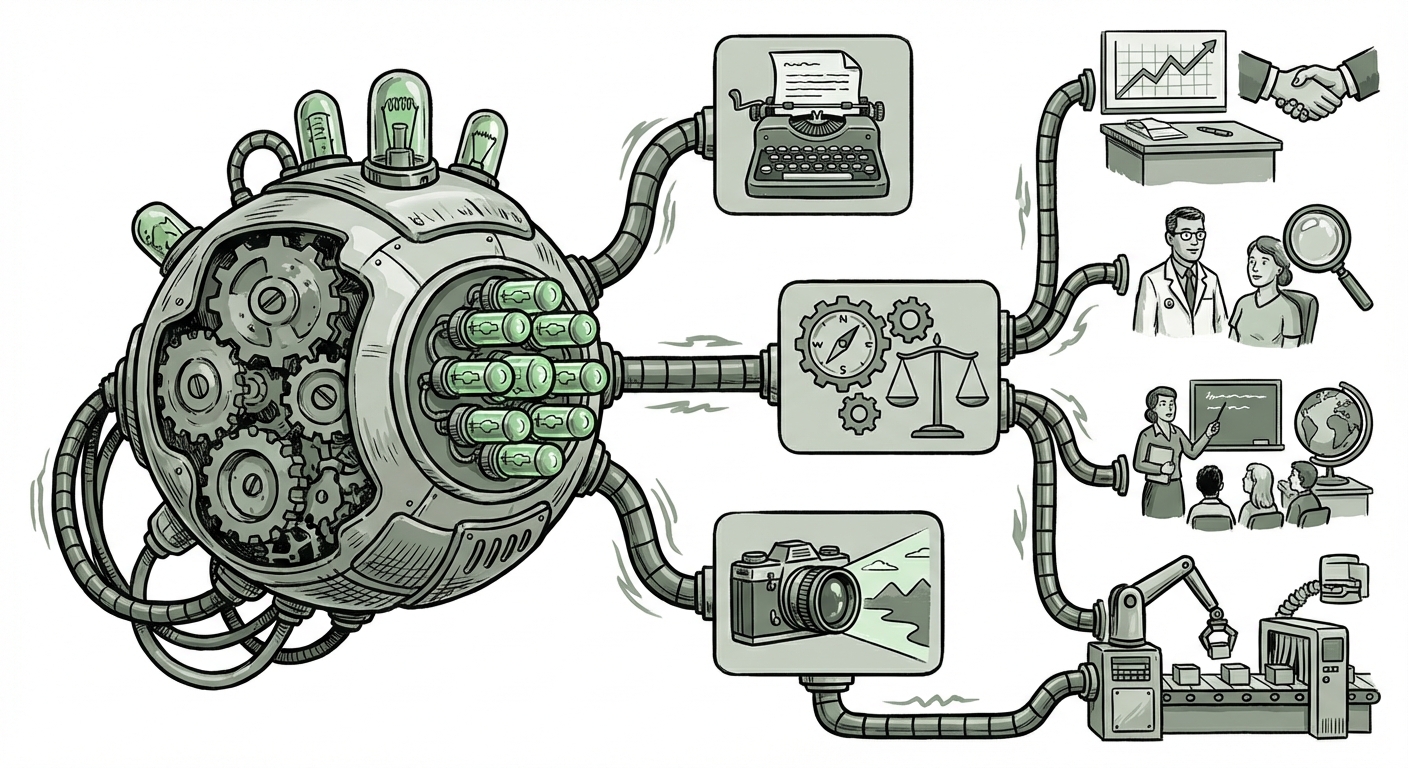
The timing of this acquisition is no accident. Large language models like Mistral's own have become incredibly good at reasoning with words. But to truly be useful in the real world, they need a body. Emmi's technology gives Mistral that body — a way to take brain-like reasoning and apply it to arms, legs, and sensors that interact with physical objects.
Why Mistral AI Bought Emmi Instead of Building Its Own
Many big tech companies spend years building their own robotics divisions from scratch. Mistral chose a faster path: acquisition. By buying Emmi AI, Mistral gains not only a ready-made team of experts but also a proven technology platform. Emmi had already developed core algorithms for navigation, manipulation, and safety — all crucial for bringing AI into factories, hospitals, and homes.
This is a classic instance of "acqui-hire" with a twist: Mistral gets intellectual property, engineering talent, and a head start in the race to dominate physical AI. For Emmi, joining Mistral provides access to massive computational resources, a global developer community, and the ability to scale their ideas faster than as a standalone startup.
For the rest of the tech world, this acquisition sends a clear message: the next generation of AI will be embodied. Mistral is not just making better chatbots; it's building systems that can physically help people — from cleaning floors to assembling products to providing elderly care.
How This Fits Into Broader AI Trends
The Mistral–Emmi deal is part of a larger shift in the AI landscape. For the last few years, the race has been about bigger language models with more parameters. Now, the focus is turning toward multimodal AI — models that can process text, images, sound, and physical movement at once. Physical AI is the ultimate expression of that trend, because it requires a model to understand not just what it sees, but how to act on it.
Other big names, like Google and Tesla, have been working on similar concepts. But Mistral's move shows that the field is open to smaller, nimble players as well. By combining a world-class language model with Emmi's physical expertise, Mistral could leapfrog competitors who are still trying to make their robots understand simple commands like "pick up the cup."
We are also seeing a broader trend of "AI as an infrastructure." Just as cloud computing became the backbone of modern software, physical AI could become the backbone of autonomous systems. The combination of Mistral's reasoning and Emmi's control loops might create a foundation that other developers can build upon — a kind of "operating system" for robots.
Practical Implications for Businesses
For businesses, this acquisition means several things:
- Faster automation: Companies that manufacture goods or run warehouses could soon deploy robots that understand spoken instructions and adapt on the fly. No more painstaking programming for every task.
- Lower costs: Instead of buying separate systems for vision, planning, and motion, a unified physical AI platform could reduce both hardware and software expenses.
- New services: Think about home care robots that can learn your routines, or retail robots that can restock shelves based on what customers are buying. Physical AI opens up service models that were previously science fiction.
- Safety and reliability: Emmi's focus on safe navigation means that businesses can trust these systems to operate around humans without accidents.
However, there are also challenges. Integrating physical AI into existing workflows will require training, new safety protocols, and possibly changes to building layouts. Small businesses may initially struggle with the cost, but as the technology matures, it will likely become as common as computers are today.
What This Means for Society
On a broader scale, the Mistral–Emmi acquisition points to a future where AI isn't just in your phone or laptop — it's all around you. This brings both excitement and concern.
Positive outcomes: Physical AI can help care for the elderly, assist in dangerous jobs like firefighting or deep-sea exploration, and make manufacturing more efficient. It could also help people with disabilities by providing physical assistance. In agriculture, robots that understand the physical world could harvest crops more precisely, reducing waste.
Concerns: Job displacement is a real worry. While new roles will emerge (robot supervisors, AI ethicists, maintenance technicians), many routine manual jobs could be automated. There's also the question of security: if a physical AI system is hacked, it could cause property damage or even harm people. Companies like Mistral will need to prioritize safety and transparency to earn public trust.
Regulation is another key area. Governments around the world are just starting to grapple with AI rules. Physical AI adds a new layer because it involves moving machines that share space with humans. Expect debates about liability, testing standards, and ethical guidelines in the coming years.
Actionable Insights: What Business Leaders Should Do Now
If you're running a business or leading a team, here are a few practical steps to consider:
- Stay informed: Watch for announcements from Mistral and other physical AI players. The pace of change will be fast.
- Identify pilot opportunities: Look for repetitive, physically demanding tasks in your operations that could benefit from automation. Start small with a single robot or sensor system.
- Invest in training: Your workforce will need new skills to work alongside physical AI. Consider partnerships with training programs or online courses.
- Think about ethics: Develop a policy for how your company will use physical AI responsibly. Consider data privacy, safety audits, and human oversight.
- Network: Connect with robotics startups, research labs, and AI conferences. The ecosystem is growing, and early adopters often have an advantage.
The Big Picture: A New Era of "Embodied Intelligence"
The acquisition of Emmi AI by Mistral AI is more than a business deal. It's a signal that the AI industry is ready to move beyond pure language and into the physical realm. By combining powerful reasoning with real-world action, Mistral is betting that the most valuable AI applications in the next decade will be those that can see, move, and do.
For consumers, this means smarter homes, safer self-driving cars, and helper robots that are genuinely helpful. For businesses, it means new levels of efficiency and the possibility of entirely new products and services. And for society, it means we must think carefully about how we integrate these systems into our lives, ensuring they serve everyone fairly.
The future of AI is not just about thinking — it's about doing. And with the Mistral and Emmi team, that future just got a lot closer.