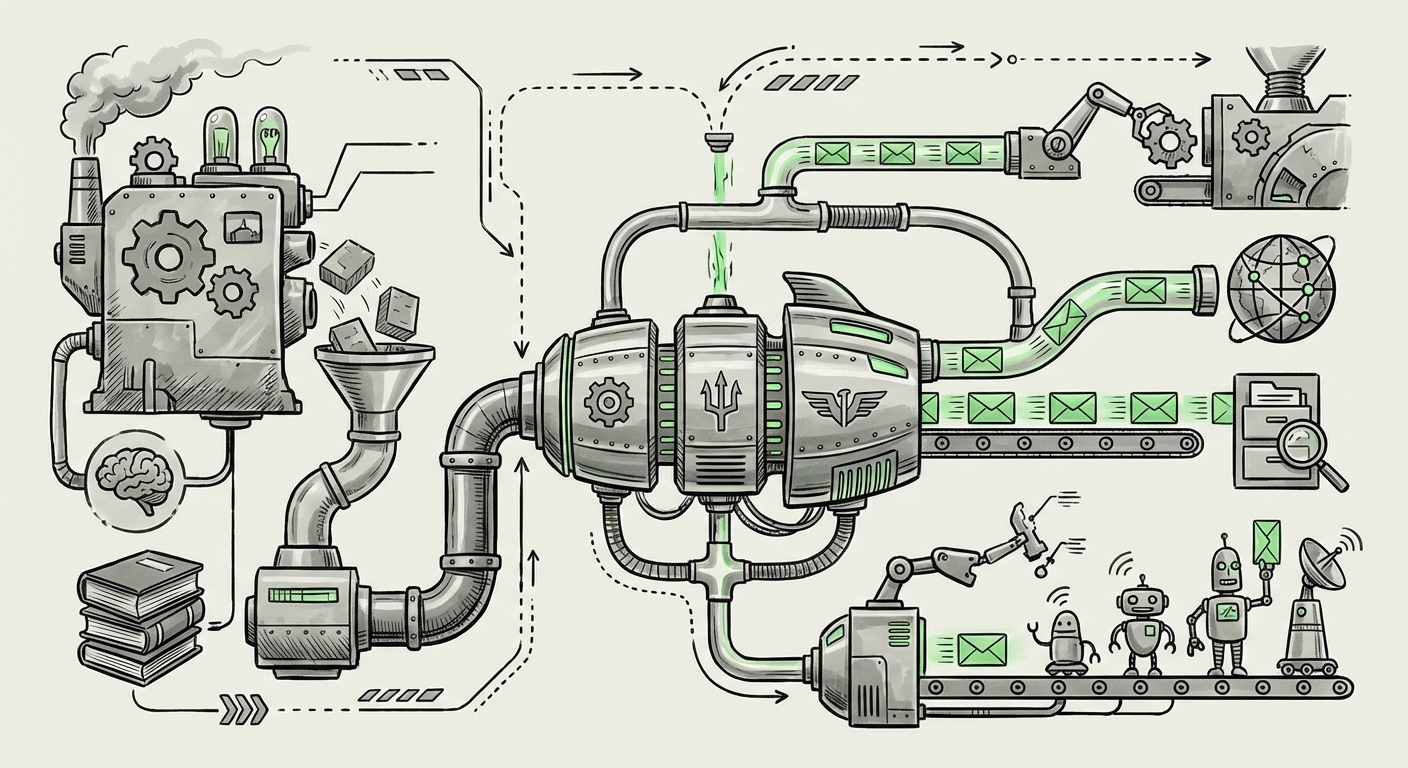
Stability AI Launches Stable Audio 3.0: Up to Six-Minute Tracks and Open Weights
On May 20, 2026, Stability AI released Stable Audio 3.0, a major update to its music generation model. This new version allows users to create tracks up to six minutes long and, notably, offers open weights. For anyone following AI development, this is a big deal. It means better quality music, longer pieces, and more freedom for developers. But what does this actually mean for the future of AI and how will it be used? Let's break it down in simple terms.
What Is Stable Audio 3.0?
Stable Audio 3.0 is a tool that uses artificial intelligence to create music from text descriptions or audio prompts. Think of it like typing "upbeat electronic track with synth bass" and getting a full song. The latest version is a big step up. Previous versions could only generate short clips, often around 30 seconds to a minute. Stable Audio 3.0 generates tracks up to six minutes—enough for a complete song, background music for a video, or even a podcast intro.
Stability AI also made the model's weights open. That means anyone can download, study, modify, and run the model on their own computer, not just through a cloud service. This is a key trend in AI: giving power back to users and creators.
Why Open Weights Matter for the Future
Open weights are like giving someone the recipe instead of just the finished cake. With open weights, developers can fine-tune Stable Audio 3.0 for specific needs. A game studio could train it to sound like fantasy world music. A filmmaker could add custom instrument sounds. This flexibility is huge for businesses and artists.
From a future perspective, open weights accelerate innovation. They allow smaller teams to compete with big companies. They also let researchers study how the model works, making AI safer and more transparent. Stability AI follows a pattern seen in other AI models, like Stable Diffusion for images. By offering open weights, they create a community of users who improve the model and build new tools around it.
What This Means for the Music Industry
The music industry is about to change dramatically. With Stable Audio 3.0, anyone can produce high-quality music without expensive equipment or years of training. For independent artists, this is a powerful tool. They can generate backing tracks, experiment with styles, or create samples cheaply.
For businesses, the implications are even broader. A retail brand can generate custom jingles for each ad campaign. A podcast host can create unique intro music every episode. A video game developer can dynamically generate background music that changes with gameplay. All of this was possible before, but it was expensive. Stable Audio 3.0 makes it fast and affordable.
Of course, this raises questions about copyright and authenticity. Who owns the music created by AI? Currently, it varies by jurisdiction. But open weights mean creators can train models on their own music, potentially keeping ownership clear. The future will likely see new norms and laws around AI-generated art, much like what happened with photography and digital art.
How Businesses Can Use Stable Audio 3.0 Today
Businesses should start experimenting now. Here are practical ways to use Stable Audio 3.0:
- Content creation: Generate background music for videos, social media posts, or presentations. Six minutes gives you plenty of material.
- Prototyping: Marketing teams can quickly produce audio ideas for campaigns before hiring a composer.
- Personalization: Websites or apps can generate unique music for each user based on their mood or activity.
- Education: Teachers can create custom songs for lessons. Music students can analyze how AI structures melodies.
The open weights aspect is key for integration. A company can run Stable Audio 3.0 on its own servers, keeping data private. This is important for industries like healthcare or finance where security matters.
What This Means for Society
Societally, Stable Audio 3.0 continues a trend: making creative tools accessible to everyone. Just as smartphones turned everyone into a photographer, AI music models are turning everyone into a music maker. This democratization is exciting but also challenging.
Jobs in music production might change. Instead of eliminating musicians, AI could shift their role. A composer might become a curator, guiding AI to generate initial ideas and then polishing them. The six-minute duration allows for complete compositions, so AI can start a song and a human can finish it. Collaboration between human and machine becomes the new normal.
There's also a risk of over-reliance. If everyone uses similar prompts, music might start to sound generic. But with open weights, communities can create specialized versions of the model, keeping diversity alive. The future of AI music isn't one model; it's a thousand tailored models.
The Technical Leap: Up to Six Minutes
Generating six minutes of coherent music is technically hard. Previous models often produced repetitive or nonsensical sounds after a minute. Stable Audio 3.0 appears to have solved that. The model maintains structure, dynamics, and mood over a long period. This is important for practical use. Background music for a video or game needs to loop or flow naturally. Six minutes gives enough length for real-world applications.
The open weights also mean developers can break new ground. They can combine this model with video AI to automatically score scenes. They can integrate it with chatbot interfaces to make music on demand. The limit is creativity, not technology.
Comparison to Other AI Music Tools
Several companies offer AI music generation, including OpenAI's Jukebox, Google's MusicLM, and tools like Soundraw. Stable Audio 3.0 differentiates itself with the six-minute length and open weights. Competitors often have shorter generation limits or restrict access to cloud APIs. Open weights are a bold move. It lets users own their model and data.
For future development, open weights create a network effect. As more people use and improve Stable Audio 3.0, the model gets better. This could lead to it becoming the standard open-source music AI, much like Stable Diffusion is for images.
Actionable Insights for Tech Leaders
If you lead a tech team, here are three things to consider:
- Experiment early: Download the open weights and test them. Try generating music for a sample app or marketing video. This helps you understand capabilities and limits.
- Watch for ethical guidelines: As AI music grows, platforms may require disclosure of AI-generated content. Prepare your tools to tag or label such music transparently.
- Invest in fine-tuning: With open weights, you can train the model on your own audio library. This gives you a unique sound that competitors can't copy.
The future of AI is not just about big companies. Open weights level the playing field. Small teams can now access state-of-the-art music generation for free.
What This Means for the Future of AI
Stable Audio 3.0 shows a few broader trends. First, AI models are getting longer and better. Six-minute music generation is a milestone, but future versions may produce entire albums. Second, open weights are becoming a competitive advantage. Users want control and privacy, not just features. Stability AI understands that.
Third, AI is moving from text and images to audio in a big way. Combined with video generation, this creates a multimedia future. You could describe a scene, get a video, and get matching music. Stable Audio 3.0 is a piece of that puzzle.
Finally, the future of work in creative fields will involve human-AI teams. Instead of "AI replaces humans," think "AI augments humans." A musician can generate 50 variations of a melody in minutes, then pick the best. This speeds up creativity.
Challenges and Considerations
No technology is perfect. Stable Audio 3.0 may not yet match the work of top composers. It may produce occasional glitches or unintended sounds. Ethical issues around copyright and fair use remain unresolved. But open weights help here too: researchers can audit the model to ensure it isn't copying existing songs too closely.
Another challenge is model size. Running a generative AI model requires decent computing power. Cloud services can help, but for offline use, a good graphics card is needed. As hardware improves, this barrier will lower.
Conclusion
Stable Audio 3.0 is more than a software update. It is a signal of where AI is heading: longer outputs, open access, and integration into everyday creative work. Whether you are a musician, a business owner, or just curious, this model opens doors. The future of AI music is not a single artist but a tool in everyone's hands. Stable Audio 3.0 gives you up to six minutes to create, and with open weights, it gives you the freedom to shape it.