AI Boom Fuels Nvidia's Taiwan Spending from $15 Billion to $150 Billion: What This Means for the Future
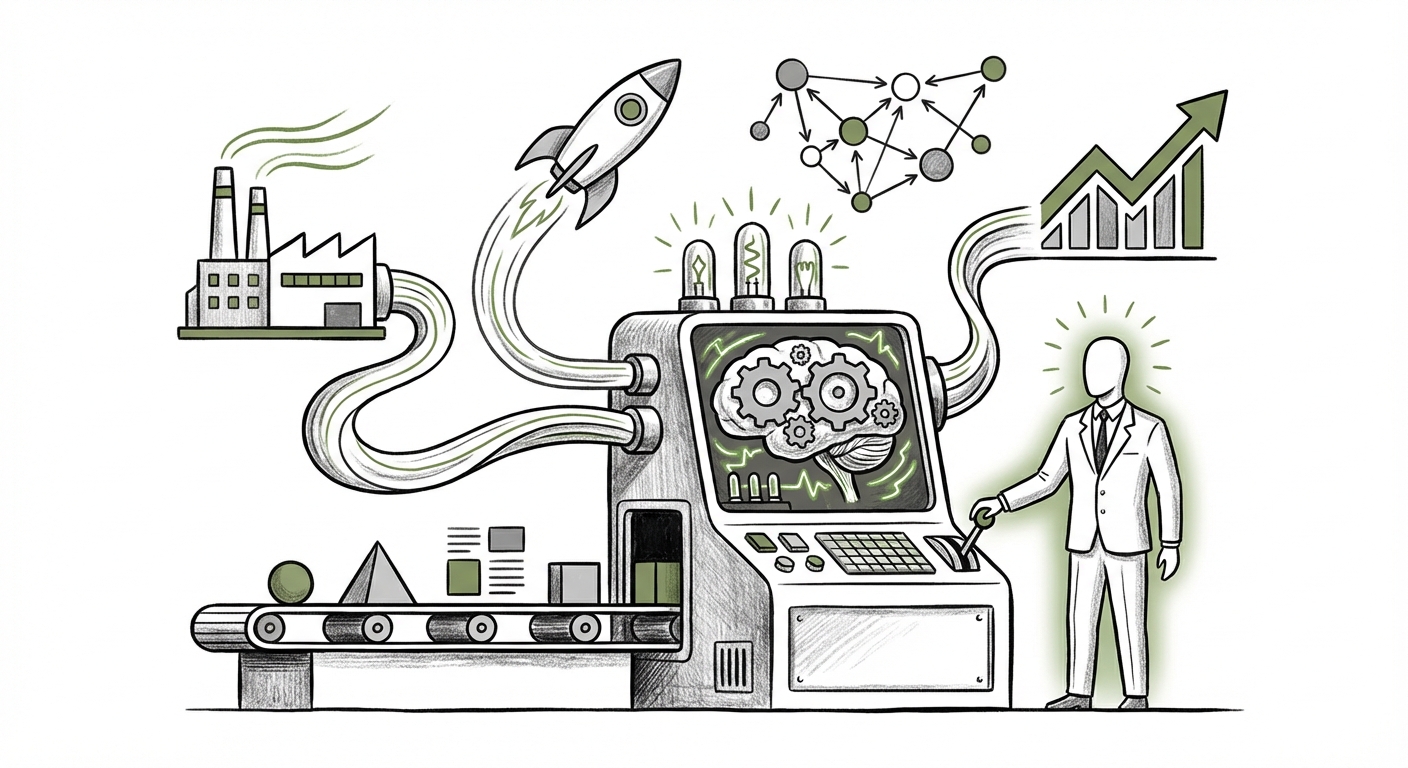
The artificial intelligence revolution is not just a software story. It is a hardware story that is reshaping the global economy. No company embodies this shift more than Nvidia, whose spending in Taiwan has exploded from $15 billion a year to a staggering $150 billion a year. This tenfold increase, driven by the insatiable demand for AI chips, tells us more about the future of AI than almost any other metric. It shows us just how much the world is betting on machine intelligence—and how dependent that bet is on a few key players.
The Scale of the Shift
To put this number in perspective, $150 billion a year is more than the entire annual defense budget of many countries. It is enough money to build a new semiconductor factory every few weeks. It represents a level of investment in computing infrastructure that is historically unprecedented. Nvidia is not spending this money on marketing or office buildings. It is spending it on advanced chip manufacturing, packaging, and testing facilities in Taiwan. This is the physical backbone of the digital AI revolution.
The jump from $15 billion to $150 billion did not happen overnight, but it happened fast. It mirrors the explosion in demand for Nvidia's H100 and subsequent AI accelerators, which have become the gold standard for training large language models and running inference at scale. Every ChatGPT query, every image generated by Midjourney, every AI-powered recommendation from a major tech company has, in some way, been processed by chips that passed through Nvidia's Taiwan supply chain.
Why Taiwan Matters So Much for AI
Taiwan is the heart of the global semiconductor industry. Companies like TSMC (Taiwan Semiconductor Manufacturing Company) produce the most advanced chips in the world, including Nvidia's latest AI accelerators. Nvidia's massive spending in Taiwan is not just about buying chips. It is about investing in the entire ecosystem—from raw silicon wafers to advanced packaging that stacks chips together for maximum performance.
For AI, this is critical. The most powerful AI models require thousands of these specialized chips working in unison. This demand has created a virtuous cycle: Nvidia spends more in Taiwan, which allows TSMC to build more advanced factories, which allows Nvidia to make even better chips, which fuels more AI development. This cycle is what has driven Nvidia's spending from $15 billion to $150 billion a year.
But this concentration is also a vulnerability. The entire AI industry is now heavily dependent on a single island for its most critical components. Any disruption to Taiwan's chip production would ripple through every AI company in the world. This is why Nvidia and other tech giants are also pushing to diversify their supply chains, though that takes years and massive investment.
What This Means for the Future of AI
1. AI Hardware Costs Will Remain High
If Nvidia is spending $150 billion a year in Taiwan, those costs do not disappear. They are passed on to cloud providers, and then to businesses and consumers who use AI services. This means that access to cutting-edge AI will remain expensive for the foreseeable future. The cost of training a single large AI model is already tens of millions of dollars. This spending trend suggests those costs are not coming down anytime soon.
2. The Compute Arms Race Is Accelerating
The jump from $15 billion to $150 billion is evidence of an arms race. Every major tech company—from Google and Microsoft to Meta and Amazon—is competing to buy as many Nvidia chips as possible. This is not just about building better products. It is about survival. If you do not have enough compute power, you fall behind in AI capabilities. Nvidia's spending reflects the desperation of the entire industry to secure enough supply.
3. Geopolitics Will Shape AI Development
Nvidia's deep ties to Taiwan have made the company a lightning rod for geopolitical tensions. The US government has restricted exports of Nvidia's high-end chips to China, and Nvidia is navigating these restrictions while trying to maintain its supply chain. The $150 billion in spending also represents a bet on stability. If tensions in the Taiwan Strait escalate, the entire AI industry could face a supply shock that would slow down innovation for years.
4. AI Will Become More Energy-Intensive
More chips mean more energy consumption. Nvidia's spending is also driving investment in data centers that consume enormous amounts of electricity. In the future, AI's carbon footprint will become an increasingly important issue. Companies will need to invest in renewable energy and more efficient chip designs to offset this impact. The spending numbers suggest we are only at the beginning of this growth.
Practical Implications for Businesses and Society
For business leaders, this data point is a wake-up call. If you are planning to build AI-powered products, you need to factor in the reality of tight supply and high costs. Small and medium-sized businesses may find it harder to compete with large tech companies that have direct access to Nvidia's supply chain. The $150 billion figure underscores that AI is a capital-intensive industry, not just a software play.
For investors, the spending surge confirms that Nvidia is not just a chip company. It is the central infrastructure provider for the AI age. The company's ability to secure and scale its Taiwan operations will be a key driver of its long-term value. However, the concentration risk in Taiwan also means that geopolitical events could create volatility.
For society, the implications are profound. The massive investment in AI hardware is enabling advances in healthcare, scientific research, education, and productivity. But it is also concentrating power in the hands of a few companies that control the supply of compute. Public policy will need to address issues of access, fairness, and resilience.
Actionable Insights for the AI Era
- Plan for compute shortages: If you rely on AI, build flexibility into your infrastructure strategy. Consider using multiple cloud providers or exploring alternative chip architectures.
- Monitor Taiwan's political situation: Anyone investing in or building on AI should pay close attention to developments in the Taiwan Strait. Disruptions there will affect the entire AI ecosystem.
- Invest in efficiency: The high cost of compute means that optimizing your AI models for efficiency is more important than ever. Smaller, more efficient models can save millions in chip costs.
- Diversify your supply chain: Do not put all your AI eggs in one basket. Nvidia is dominant now, but companies like AMD, Intel, and startups are developing competing chips. Keep an open mind.
- Factor in energy costs: As AI uses more chips, your electricity bill will grow. Look into green data center options and energy-efficient hardware.
Conclusion: The $150 Billion Bet on Intelligence
Nvidia's spending leap from $15 billion to $150 billion a year in Taiwan is more than a financial statistic. It is a clear signal that the AI revolution is real, it is powerful, and it is only accelerating. This money is being spent because the world believes that AI will transform every industry. Whether that bet pays off depends on many factors—technology breakthroughs, geopolitical stability, and wise investments. But one thing is certain: the future of AI will be built on the chips made in Taiwan, and that future is being funded at an unprecedented scale. Understanding this spending is key to understanding where AI is headed: toward a world where compute power is the most valuable resource on the planet.