China Turns Its Aging Camera Network into an AI-Powered Mass Surveillance Apparatus
Imagine a security system that never sleeps, never blinks, and gets smarter every day. That is exactly what China is building right now. But instead of installing brand new cameras everywhere, the country is doing something much smarter and more cost-effective: it is upgrading its old, aging camera network with artificial intelligence software. This is a huge deal, not just for China but for the entire world. It shows us how AI can breathe new life into old hardware and change the way we think about privacy, security, and control.
The story comes from an article published on the-decoder.com on 2026-05-27 with the title "China turns its aging camera network into an AI-powered mass surveillance apparatus." This source tells us that China is not starting from scratch. It has thousands of old cameras already installed in cities, on streets, and in buildings. Many of these cameras are aging and not very high-tech. But with the power of AI, those same cameras can now do things that were only possible in science fiction just a few years ago.
So, what does this mean for the future of AI and how it will be used? Let us break it down in simple terms and look at the big picture.
The Key Trend: Software Over Hardware
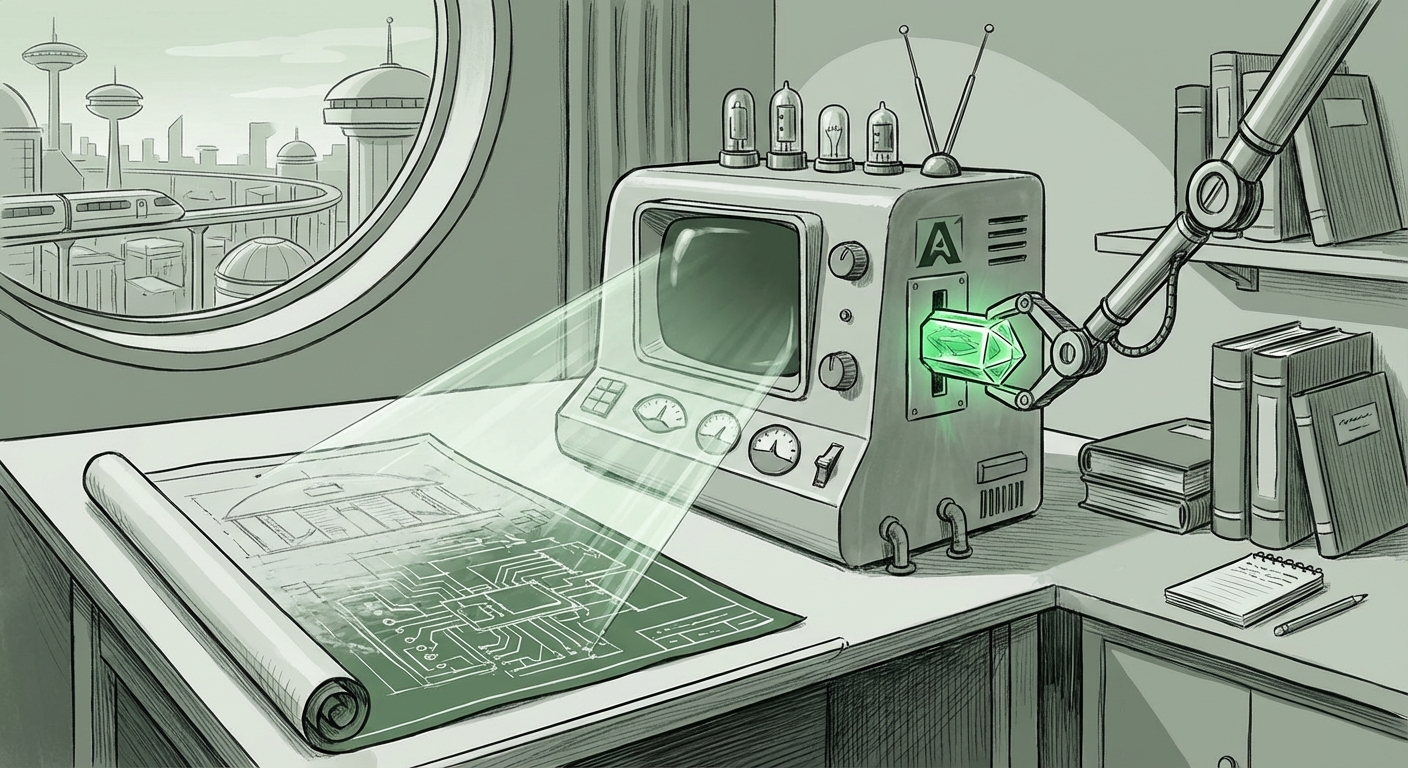
The biggest trend here is that software is eating the hardware world. For a long time, if you wanted better surveillance, you had to buy better cameras. You needed cameras with higher resolution, better zoom, or night vision. But AI changes the rules. Now, you can take a cheap, low-quality camera and make it super smart by running an AI program on the footage it captures. This is exactly what China is doing with its aging camera network. Instead of spending billions of dollars on new cameras, the government is likely using AI algorithms to analyze the video feed from old cameras.
This is a game-changer for the entire tech industry. It means that existing infrastructure can be made much more powerful without a lot of physical upgrades. Businesses in other countries will surely take notice. For example, a company with a hundred old security cameras in its warehouses can now use AI to track foot traffic, detect suspicious behavior, or even monitor inventory. The hardware is already there. The AI is the upgrade.
What This Means for Privacy and Civil Liberties
This is the elephant in the room. The future of AI in surveillance is deeply connected to privacy. China's move to turn an aging camera network into an AI mass surveillance apparatus is a clear signal that the technology is ready for prime time. It means that governments can monitor populations much more cheaply and effectively than ever before.
AI can be trained to recognize faces, track movement patterns, and even predict where a person might go next. When combined with millions of old cameras, the result is a surveillance system that sees almost everything. This is a powerful tool for maintaining public order, but it also raises serious questions about privacy rights.
For societies around the world, this trend means we have to make hard choices. Do we want safer streets if it means less privacy? The answer is not simple. In the future, AI will be used in many places, not just China. Shopping malls, airports, schools, and stadiums in other countries will likely start doing similar things. The key difference will be how those AI systems are regulated. Businesses and governments must create rules about what AI can do with camera footage, how long it can store data, and who has access to it.
Practical Implications for Businesses
If you run a business, this story is a wake-up call. You do not need to buy expensive new hardware to get the benefits of AI vision technology. Your old security cameras can be upgraded with AI software to do many amazing things. Here are some actionable insights:
- Cost savings: Instead of replacing cameras, look for AI software that can work with your current system. This can save thousands of dollars.
- Better security: AI can alert you to real threats while ignoring false alarms like a stray cat or a falling leaf.
- Data collection: AI can analyze patterns of customer movement in a store. You can see which aisles are popular and which ones are empty. This helps with store layout and product placement.
- Operational efficiency: In factories, AI can monitor equipment and detect when something is about to break. This prevents costly downtime.
The message is clear: AI is turning dumb cameras into smart sensors. Businesses that embrace this will have a clear advantage over those that do not.
What This Means for the Future of AI and How It Will Be Used
Looking ahead, the future of AI will be less about building new things and more about upgrading the old things we already have. We live in a world full of cameras, microphones, and sensors. Most of them are still "dumb" – they just record data without understanding it. AI is about to give them a brain.
Here is a look at how AI will be used in the coming years, based on this trend:
1. Urban Planning and Traffic Management
Old traffic cameras can be upgraded with AI to monitor traffic flow in real time. AI can change traffic light patterns to reduce congestion. It can also detect accidents instantly and alert emergency services. This is already happening in some smart cities, but China's approach shows it can be done even faster and cheaper by using existing infrastructure.
2. Public Safety and Emergency Response
AI can watch camera feeds for fires, fights, or medical emergencies. It can detect a person collapsing and call for help immediately. This saves precious minutes that human operators would waste scanning multiple video screens. The future of public safety will be reactive and fast, all powered by AI running on old cameras.
3. Border and Access Control
Countries can use AI to monitor borders with cameras that are already in place. This can help spot illegal crossings or human trafficking. For businesses, the same technology can be used for employee access control and to prevent theft.
4. Environmental Monitoring
Cameras can also watch the weather and environment. AI can detect smoke from a wildfire, track the path of a tornado, or monitor water levels in rivers. Again, this uses old camera networks and gives them new, life-saving purposes.
The Scale of the Change
Aging camera networks are everywhere. In many countries, there are millions of cameras installed in the last 20 years. Until now, they were just passive recorders. AI makes them active observers. China is showing the world what happens when you turn these passive networks into active surveillance systems. The scale is enormous.
According to the source, this is happening now in 2026. The technology is mature enough to be deployed on a massive scale. It is not a test or a pilot program. It is a full rollout of an AI-powered mass surveillance apparatus using aging cameras.
The Double-Edged Sword of Efficiency
One of the most important things to understand is that AI is just a tool. It can be used for good or bad. The same technology that catches criminals can also be used to suppress dissent. The same AI that helps traffic flow smoothly can be used to track every car in a city. The future of AI will be defined by how we choose to use it.
For businesses, this means you have a responsibility. If you install AI surveillance software, you need to be transparent with your customers and employees. Tell them what the cameras are doing and how the data is used. Building trust is essential.
Actionable Insights for Readers
Here are some direct takeaways from this story:
- Audit your current tech: Look at all the cameras and sensors you already own. They may be the foundation for an AI upgrade.
- Think about privacy from the start: When planning an AI project, consider privacy rules early. It is much harder to add privacy later than to build it in from the beginning.
- Watch for regulation changes: As AI surveillance becomes more common, laws will change. Stay informed about what is legal in your area.
- Invest in AI literacy: Make sure your team understands basic AI concepts. This will help them spot opportunities and risks.
Conclusion: A New Era for AI and Surveillance
China's decision to upgrade its aging camera network into an AI-powered mass surveillance apparatus is more than just a tech story. It is a blueprint for the future. It shows us that AI does not need shiny new hardware to make a huge impact. It can work with what we already have.
This future will bring incredible benefits in safety, efficiency, and convenience. But it will also come with serious challenges to privacy and freedom. The key will be finding the right balance. As AI continues to evolve, we all have a role to play in deciding how it is used. Whether you are a business owner, a policymaker, or just a regular citizen, understanding these trends is the first step to shaping a better future.
The cameras are old, but the intelligence is new. And it is changing the world as we know it.